Know what is in your packet
Tea encyclopedia
Find a tea name, understand its category, then open a guide for your next cup.
Start with your packet’s name or choose a category below. Browse 366 individual guides in English, covering tea names, appearance, preparation and storage. Check each guide’s scope and the instructions on your actual packet.
Search by an English tea name, pinyin or the Chinese name on your packet.
The six basic tea families
A processing-based map of tea made from Camellia sinensis.
Green tea
Heated early in processing to limit enzymatic oxidation.
Black tea
Made with an extensive oxidation stage; called hongcha in Chinese.
Oolong tea
Partially oxidised tea, with many styles rather than one fixed flavour.
White tea
Withering and drying are central to its manufacture.
Yellow tea
Distinguished by a yellowing step during processing.
Dark tea
Post-fermented tea; a different category from English black tea.
Other ways to browse
These groups overlap the basic families or cover other plants. They are not three extra basic tea types.
Pu-erh tea
Start with the distinction between sheng (raw) and shou (ripe).
Scented & reprocessed tea
Further processing, such as scenting, adds another description to a base tea.
Herbal & fruit infusions
Plant infusions beyond Camellia sinensis tea; read the ingredients.
Tea guides in English
366 guides available in English.
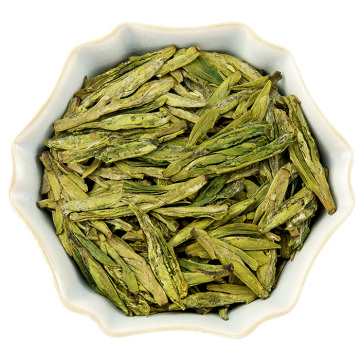
Longjing
Read the origin claim, then find a sensible starting point for a glass of tea.
Read the English guide →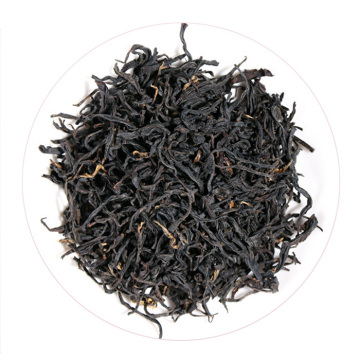
Zhengshan Xiaozhong
Check whether your packet is smoked or unsmoked before deciding what to expect.
Read the English guide →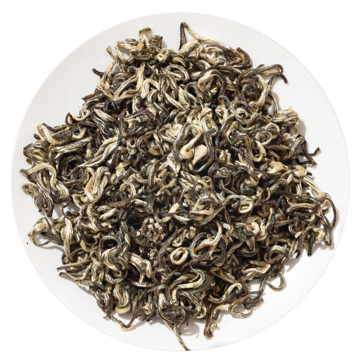
Jasmine tea
Understand the tea base, the jasmine scent and why flowers may be missing.
Read the English guide →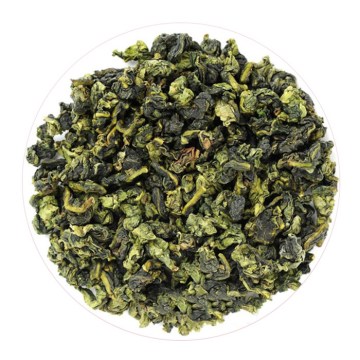
Tieguanyin
Compare floral, roasted and aged styles, then choose a brewing and storage method.
Read the English guide →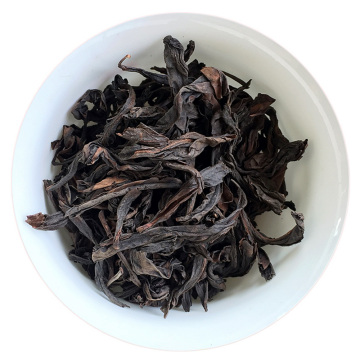
Da Hong Pao
Understand Wuyi rock tea, blends and roasting, with a practical first brew.
Read the English guide →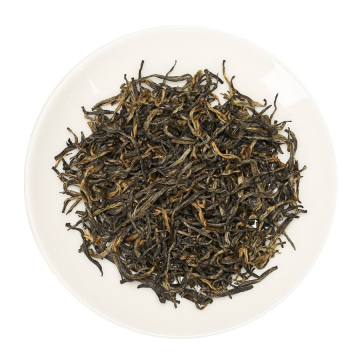
Jin Jun Mei
Meet the Tongmu-linked bud black tea and learn what the name and leaf colour can tell you.
Read the English guide →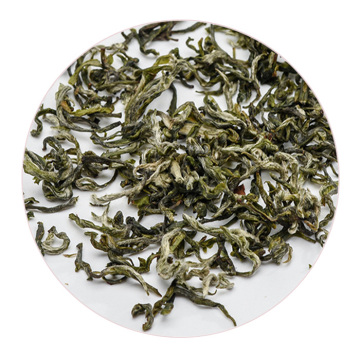
Biluochun
Meet the curled green tea associated with Suzhou and read its origin claim.
Read the English guide →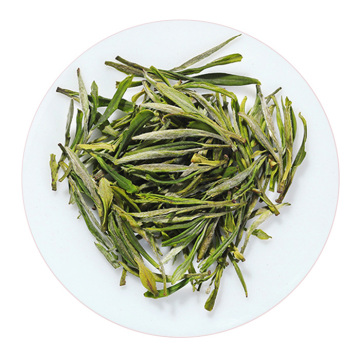
Huangshan Maofeng
Explore the bud-and-leaf green tea from Huangshan and its glass-brewing method.
Read the English guide →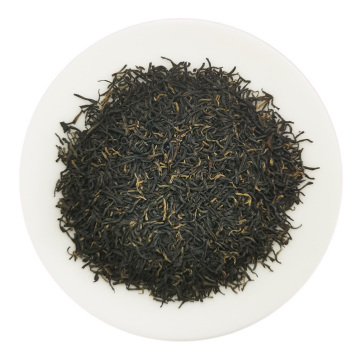
Keemun Gongfu
Understand traditional refined Keemun, its grade descriptions and preparation.
Read the English guide →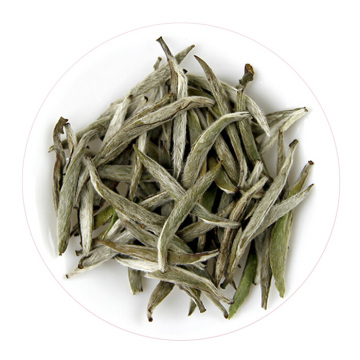
Baihao Yinzhen
Read the name of this bud white tea and distinguish it from yellow Silver Needle.
Read the English guide →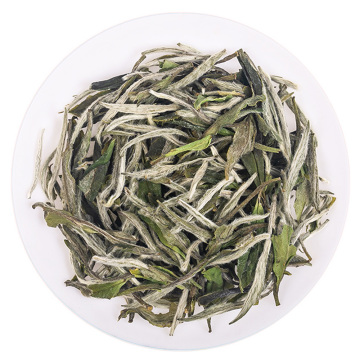
Bai Mudan
Meet the bud-and-leaf white tea, with separate directions for loose tea and cakes.
Read the English guide →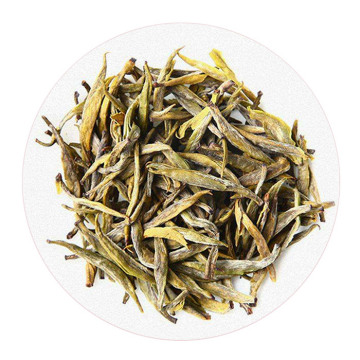
Junshan Yinzhen
Understand the yellow tea associated with Junshan and its glass-brewing illustration.
Read the English guide →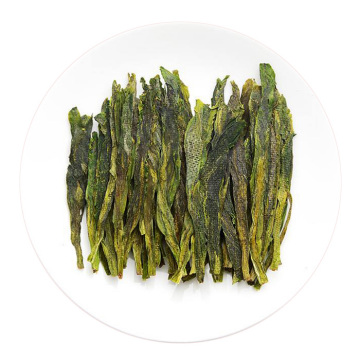
Taiping Houkui
Taiping Houkui is a green tea from the Huangshan area of Anhui, recognisable for its unusually long, flattened leaves.
Read the English guide →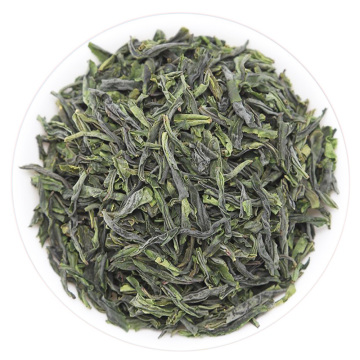
Lu'an Guapian
Lu'an Guapian is an Anhui green tea made from separate leaves rather than the buds and attached leaves seen in many other green teas.
Read the English guide →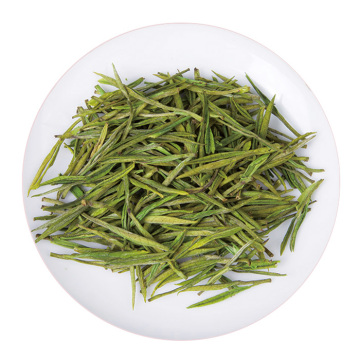
Anji Bai Cha
Anji Bai Cha is a green tea despite the words White Tea in its translated name.
Read the English guide →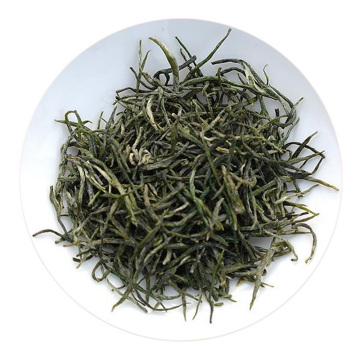
Xinyang Maojian
Xinyang Maojian is a green tea associated with Xinyang in Henan.
Read the English guide →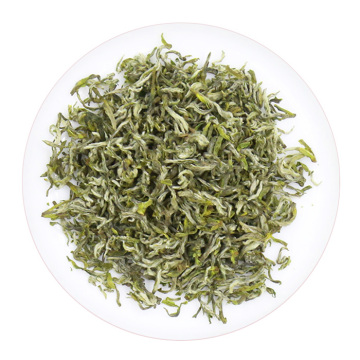
Mengding Ganlu
Mengding Ganlu, often translated as Sweet Dew, is a curled green tea associated with Mengding mountain in Ya'an, Sichuan.
Read the English guide →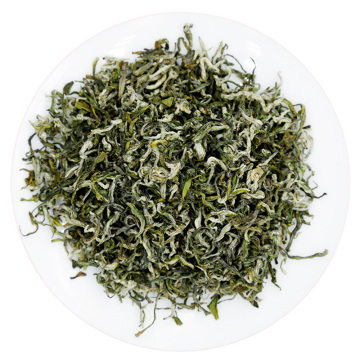
Duyun Maojian
Duyun Maojian is a curled green tea associated with Duyun in Guizhou's Qiannan area.
Read the English guide →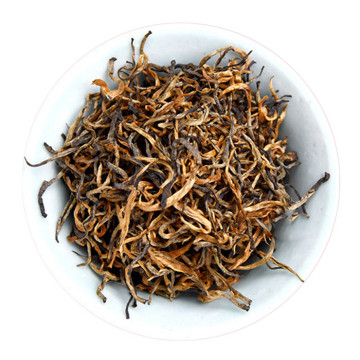
Dianhong Gongfu
Dianhong Gongfu is a Yunnan black tea associated particularly with Fengqing.
Read the English guide →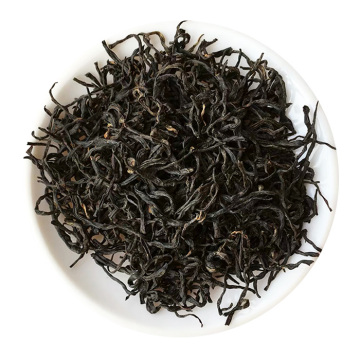
Tanyang Gongfu
Tanyang Gongfu is a regional Fujian black tea associated with Tanyang village in Fu'an.
Read the English guide →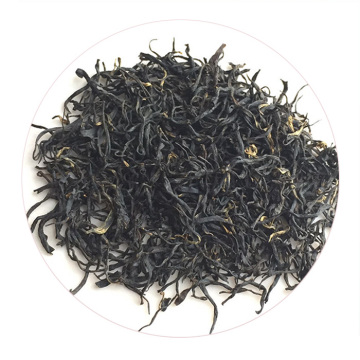
Bailin Gongfu
Bailin Gongfu is a black tea associated with Bailin in Fuding, Fujian.
Read the English guide →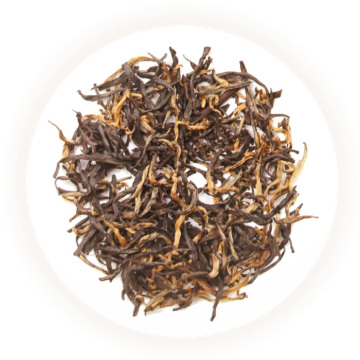
Zhenghe Gongfu
Zhenghe Gongfu is a regional black tea from northern Fujian.
Read the English guide →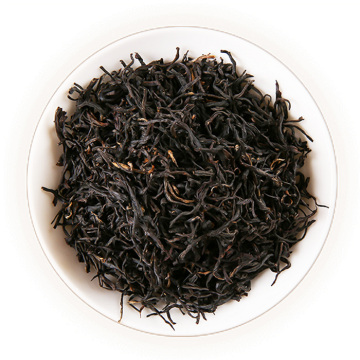
Ninghong Gongfu
Ninghong Gongfu is a Jiangxi black tea associated with Xiushui in Jiujiang.
Read the English guide →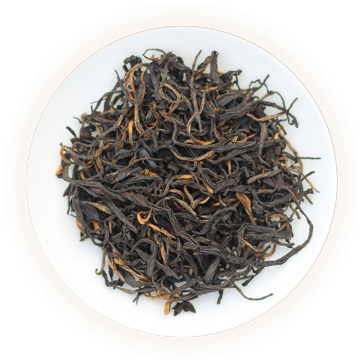
Yihong Gongfu
Yihong Gongfu is a black tea associated with the Yichang area of Hubei.
Read the English guide →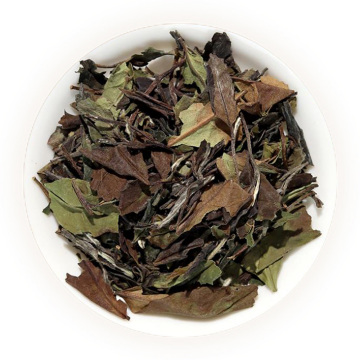
Gongmei
Gongmei is a white-tea product name, often translated as Tribute Eyebrow.
Read the English guide →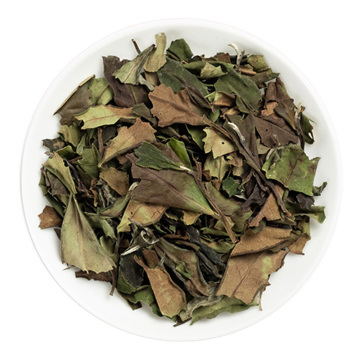
Shoumei
Shoumei is a leafy white tea, often called Longevity Eyebrow in English.
Read the English guide →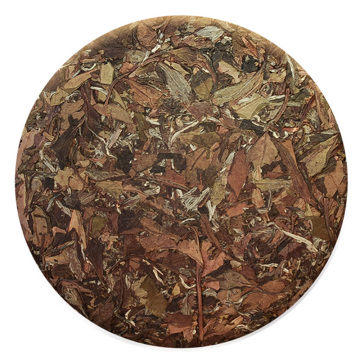
Aged white tea
Aged white tea describes white tea with a storage history, rather than a separate tea-tree variety or one fixed product.
Read the English guide →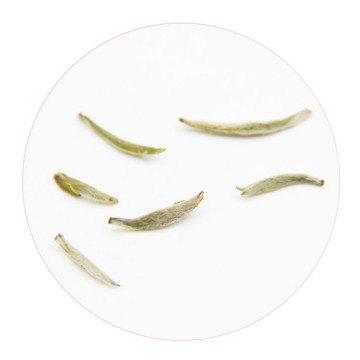
Zhenghe Silver Needle
Zhenghe Silver Needle is a regional bud white tea from Zhenghe in Fujian, also described as South-Route Silver Needle.
Read the English guide →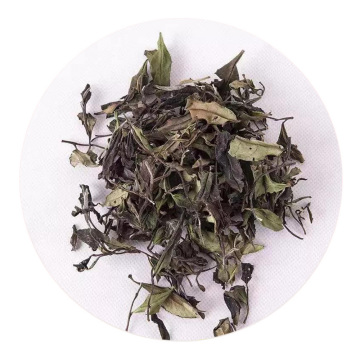
Songxi Xiaobai
Songxi Xiaobai is a traditional white-tea name associated with Songxi and its local Caicha material.
Read the English guide →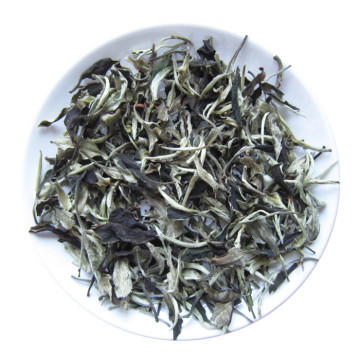
Moonlight White
Moonlight White, or Yue Guang Bai, is a Yunnan tea name used for white-tea styles.
Read the English guide →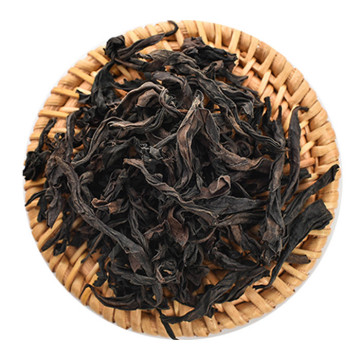
Wuyi Rougui
Wuyi Rougui is a Wuyi rock oolong named for a tea-plant variety and its cassia-like aromatic association.
Read the English guide →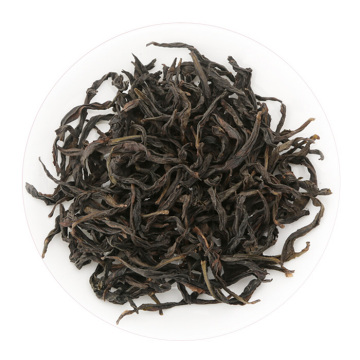
Wuyi Shuixian
Wuyi Shuixian is a Wuyi rock oolong named after the Shuixian tea-plant variety.
Read the English guide →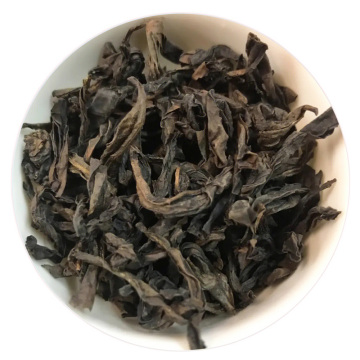
Tie Luo Han
Tie Luo Han, often translated as Iron Monk, is a named Wuyi rock oolong.
Read the English guide →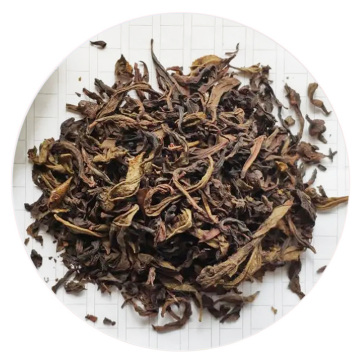
Bai Ji Guan
Bai Ji Guan, or White Rooster Crest, is a Wuyi rock oolong associated with a distinctive pale-leaf tea-plant variety.
Read the English guide →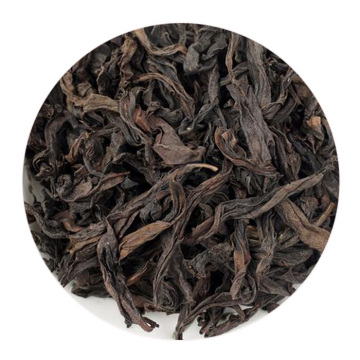
Shui Jin Gui
Shui Jin Gui, or Golden Water Turtle, is a named Wuyi rock oolong.
Read the English guide →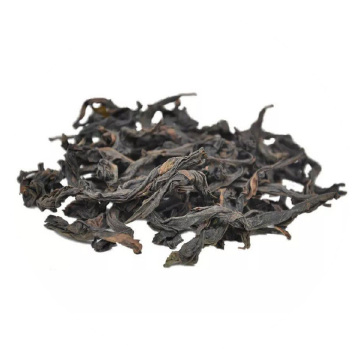
Ban Tian Yao
Ban Tian Yao is a traditional named Wuyi rock oolong, written with several Chinese variants including 半天夭, 半天腰, 半天妖 and 半天鹞.
Read the English guide →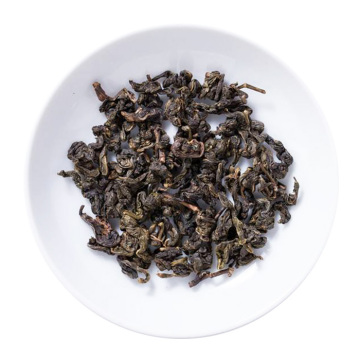
Bai Ya Qi Lan
Bai Ya Qi Lan is a Pinghe oolong associated with an orchid-like aroma and a tea-plant cultivar selected from local Qilan material.
Read the English guide →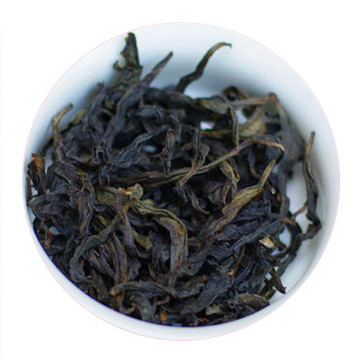
Bei Dou
Bei Dou is a named Wuyi rock oolong.
Read the English guide →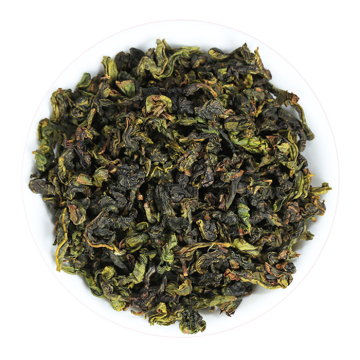
Huang Jin Gui
Huang Jin Gui is an Anxi oolong associated with the Huang Dan tea-plant cultivar, also written Huang Yan.
Read the English guide →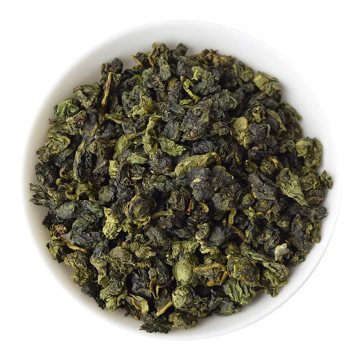
Yongchun Fo Shou
Yongchun Fo Shou is an oolong associated with the large-leaf Fo Shou tea-plant cultivar.
Read the English guide →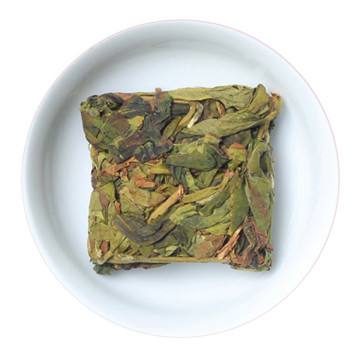
Zhangping Shuixian
Zhangping Shuixian is a Fujian oolong known for small square pressed cakes and floral aroma.
Read the English guide →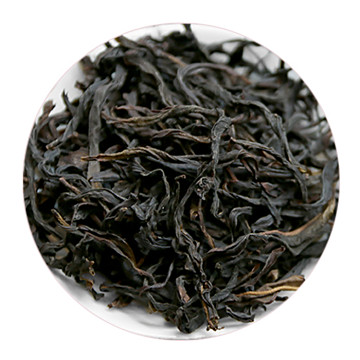
Lingtou Dancong
Lingtou Dancong is a Guangdong oolong associated with Lingtou in Raoping county.
Read the English guide →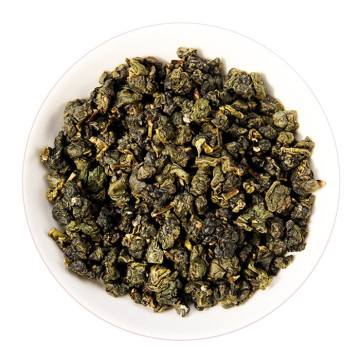
Dong Ding
Dong Ding is a Taiwan oolong associated with Lugu in Nantou.
Read the English guide →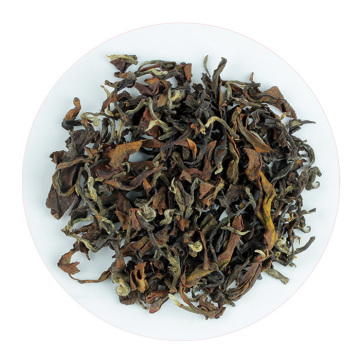
Oriental Beauty
Oriental Beauty is a Taiwan-associated oolong also called Dong Fang Mei Ren, Bai Hao Oolong or Pengfeng tea.
Read the English guide →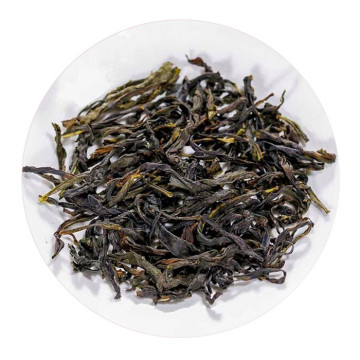
Phoenix Dancong
Phoenix Dancong is a Guangdong oolong associated with the Phoenix Mountain area around Chaozhou.
Read the English guide →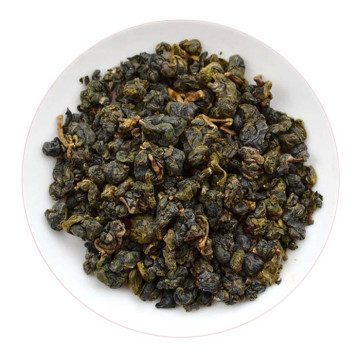
Jin Xuan
Jin Xuan is the tea-plant cultivar also known as TTES No. 12 or Tai Cha 12.
Read the English guide →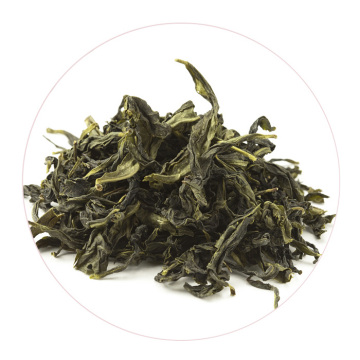
Wenshan Baozhong
Wenshan Baozhong, also called Pouchong, is a lightly oxidised oolong associated with northern Taiwan and the Pinglin tea area.
Read the English guide →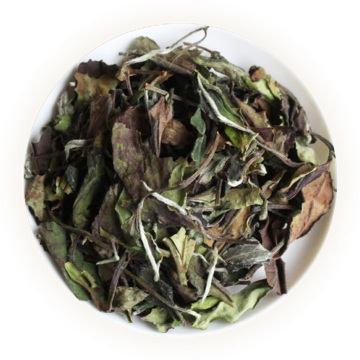
Xiaobai Gongmei
Xiaobai Gongmei is a Jianyang white tea associated with local Caicha population material and Zhangdun's tea-making tradition.
Read the English guide →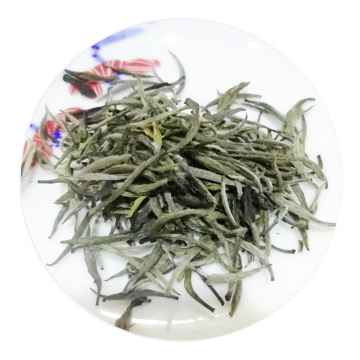
Xiaobai Yinzhen
Xiaobai Yinzhen is the bud-white-tea name used in this inherited Jianyang entry.
Read the English guide →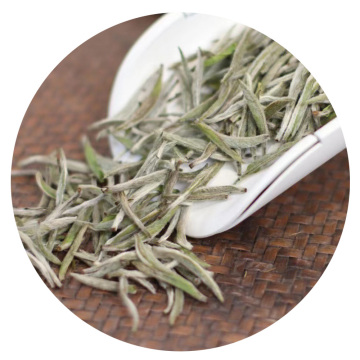
Xinyang White Tea
Xinyang White Tea is a regional product description rather than one universal cultivar or recipe.
Read the English guide →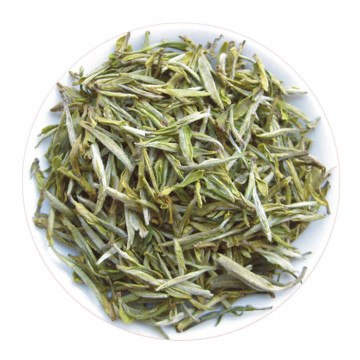
Huoshan Huangya
Huoshan Huangya is a yellow tea associated with Huoshan in Anhui.
Read the English guide →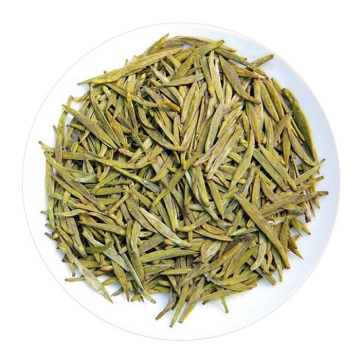
Mengding Huangya
Mengding Huangya is a bud-style yellow tea from the Mengding area of Sichuan.
Read the English guide →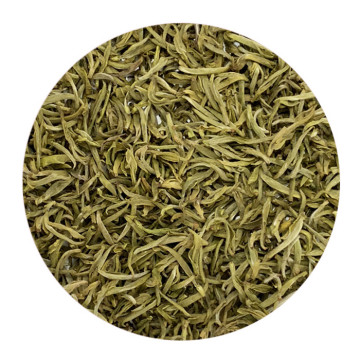
Pingyang Huangtang
Pingyang Huangtang is a yellow tea associated with Pingyang in Wenzhou, Zhejiang.
Read the English guide →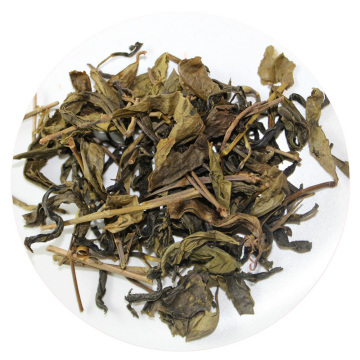
Huang Da Cha
Huang Da Cha is a large-leaf yellow-tea style.
Read the English guide →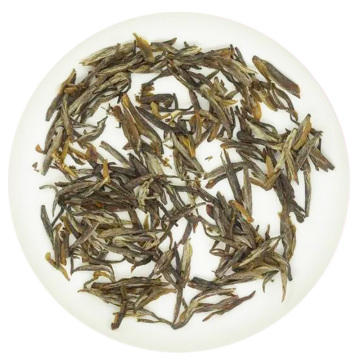
Beigang Maojian
Beigang Maojian is a yellow-tea name associated with Yueyang in Hunan.
Read the English guide →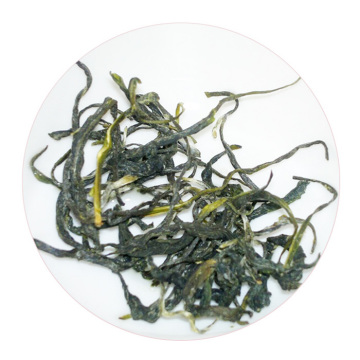
Guangdong Dayeqing
Guangdong Dayeqing is a yellow-tea style associated with Guangdong.
Read the English guide →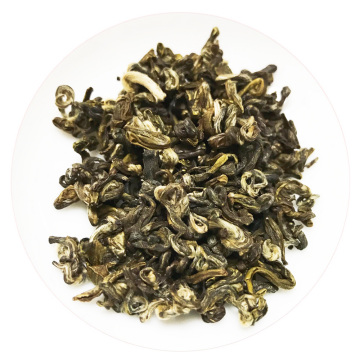
Haimagong Tea
This entry preserves the Chinese edition's Haimagong yellow-tea account from Guizhou.
Read the English guide →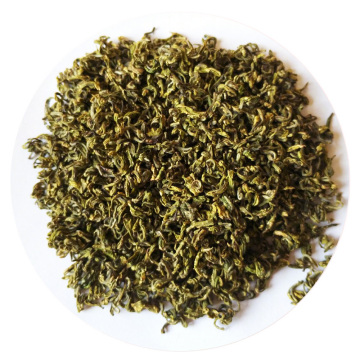
Luyuan Maojian
Luyuan Maojian is a yellow-tea name associated with Luyuan in Yuan'an, Hubei.
Read the English guide →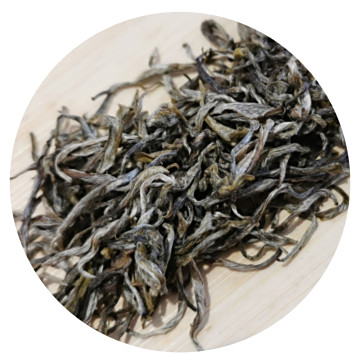
Weishan Maojian
Weishan Maojian has descriptions of both yellow-tea and green-tea processing.
Read the English guide →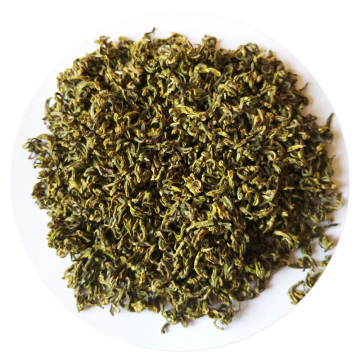
Yuan'an Yellow Tea
Yuan'an Yellow Tea is a regional yellow-tea description from Hubei that overlaps the Luyuan tea tradition.
Read the English guide →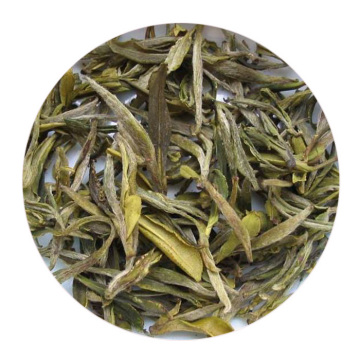
Mogan Huangya
Mogan Huangya is a tea name from the Mount Mogan area of Deqing in Zhejiang.
Read the English guide →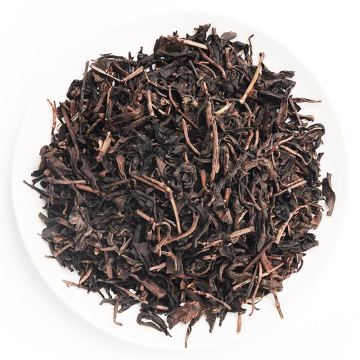
Laiwu Laoganhong
Laiwu Laoganhong is a strongly roasted, large-leaf tea tradition associated with Laiwu in Shandong and with Anhui Huang Da Cha.
Read the English guide →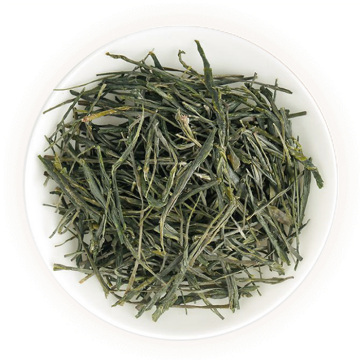
Enshi Yulu
Enshi Yulu is a steamed, needle-shaped green tea from Enshi in Hubei.
Read the English guide →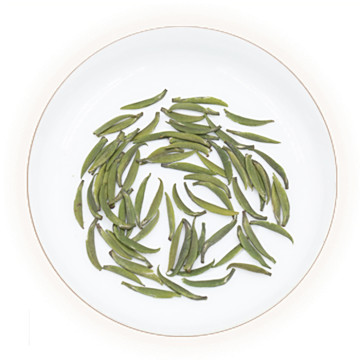
Emei Zhuyeqing
Emei Zhuyeqing is a Sichuan green-tea name associated with Mount Emei and with the Zhuyeqing tea brand.
Read the English guide →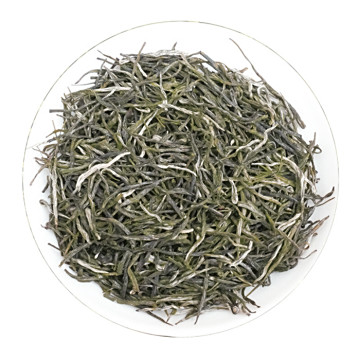
Nanjing Yuhua
Nanjing Yuhua is a needle-shaped green tea from Nanjing in Jiangsu.
Read the English guide →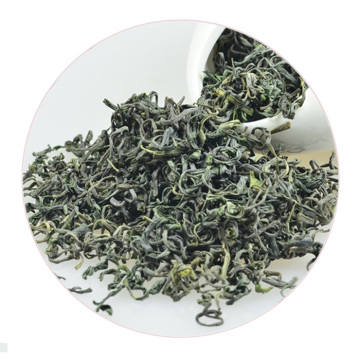
Laoshan Green Tea
Laoshan green tea comes from the Laoshan area of Qingdao in Shandong.
Read the English guide →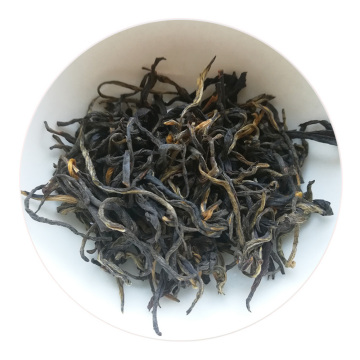
Changning Gongfu
Changning Gongfu is a black-tea style associated with Changning County in Baoshan, Yunnan.
Read the English guide →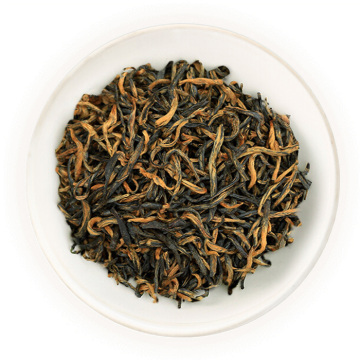
Chuanhong Gongfu
Chuanhong Gongfu is a Sichuan black-tea style strongly associated with Yibin.
Read the English guide →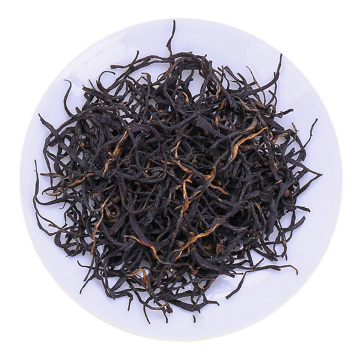
Fuliang Gongfu
Fuliang Gongfu is a black-tea style associated with Fuliang in the Jingdezhen area of Jiangxi.
Read the English guide →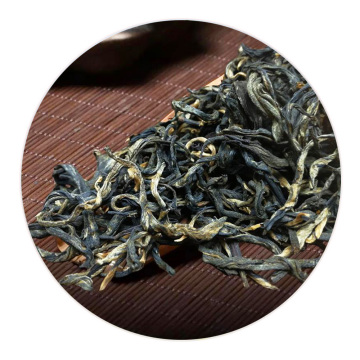
Guihong Gongfu
Guihong Gongfu is the black-tea entry associated with Baise in Guangxi in the original collection.
Read the English guide →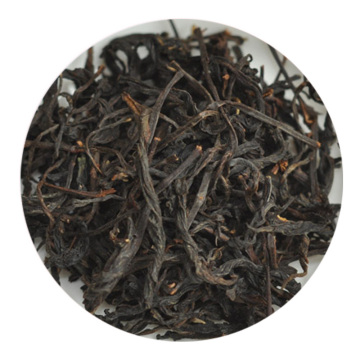
Huhong Gongfu
Huhong Gongfu is a Hunan gongfu black-tea tradition, with Anhua prominent in the original account.
Read the English guide →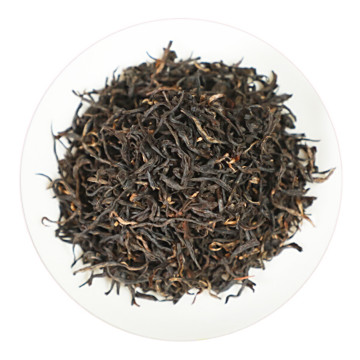
Yuehong Gongfu
Yuehong Gongfu is a Zhejiang gongfu black-tea name, with the Shaoxing area central to the inherited account.
Read the English guide →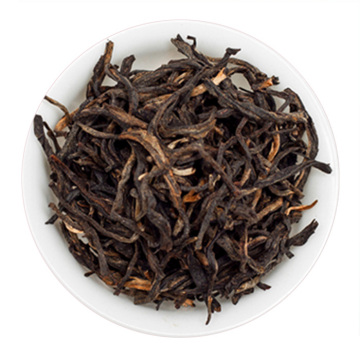
Yingde Black Tea
Yingde black tea is a regional tea name from Yingde in Guangdong.
Read the English guide →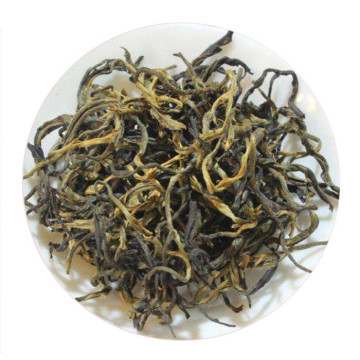
Yinghong No. 9
Yinghong No. 9 is a named tea cultivar and a name used for black-tea products associated with Yingde.
Read the English guide →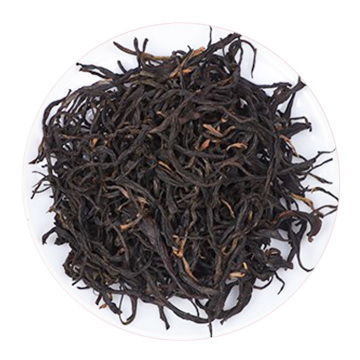
Jiuqu Hongmei
Jiuqu Hongmei is a Hangzhou black tea associated with Shuangpu in Xihu District.
Read the English guide →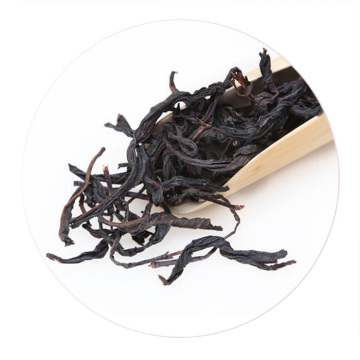
Sun Moon Lake Black Tea
Sun Moon Lake black tea is a regional description, not a single cultivar.
Read the English guide →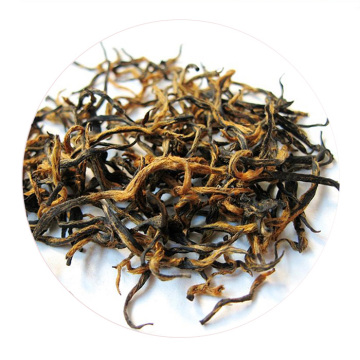
Yixing Black Tea
Yixing black tea comes from the Yixing area of Jiangsu, also historically known as Yangxian.
Read the English guide →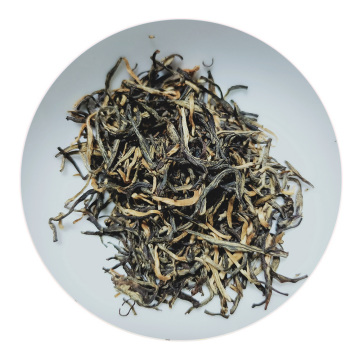
Xinyang Black Tea
Xinyang Hong is a modern black-tea development from Xinyang in Henan, distinct from the region's green Xinyang Maojian.
Read the English guide →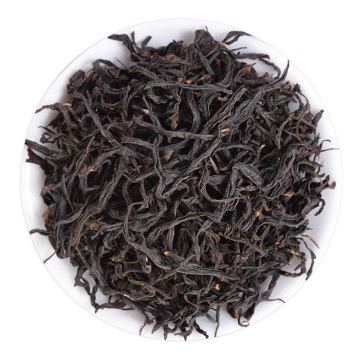
Da Chi Gan
Da Chi Gan is a Wuyi black-tea trade name often contrasted with Xiao Chi Gan.
Read the English guide →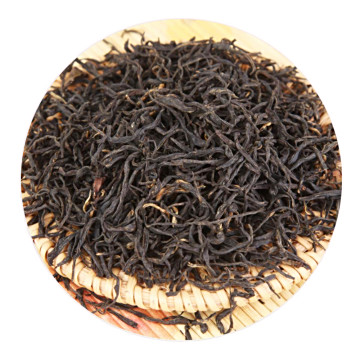
Xiao Chi Gan
Xiao Chi Gan is a Wuyi black-tea trade name that the old collection also calls Tong Jun Mei, or Bronze Eyebrow.
Read the English guide →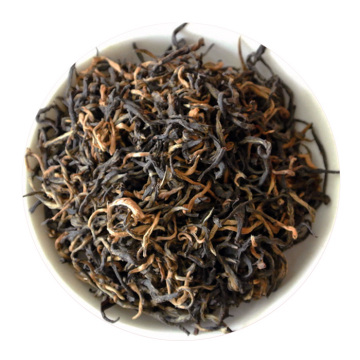
Yin Jun Mei
Yin Jun Mei, or Silver Eyebrow, is a Wuyi black-tea name associated with the modern Jun Mei product family.
Read the English guide →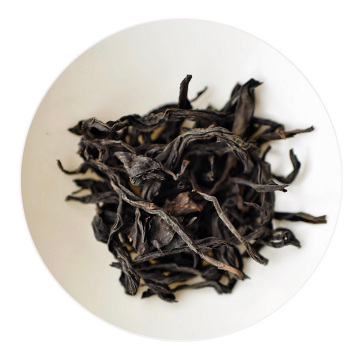
Smoked Xiaozhong
Smoked Xiaozhong is a guide to the old Yan Xiaozhong entry and its pine-smoke black-tea style.
Read the English guide →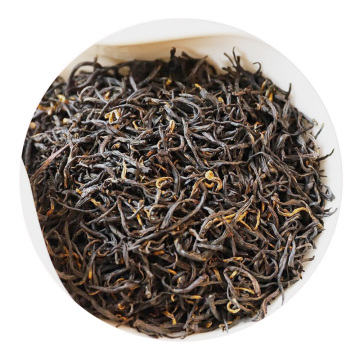
Keemun Maofeng
Keemun Maofeng is a shaped black-tea style within the Keemun or Qimen tea context.
Read the English guide →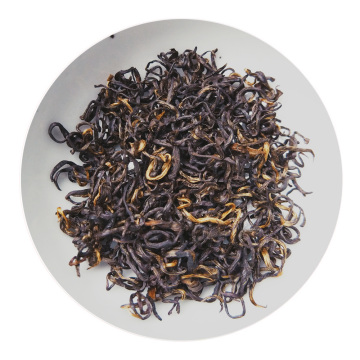
Keemun Xiangluo
Keemun Xiangluo, or Aromatic Snail, is a curled black-tea style in the Keemun family.
Read the English guide →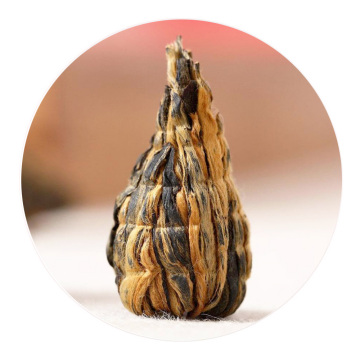
Dianhong Pagoda
Dianhong Pagoda is a shaped Yunnan black tea.
Read the English guide →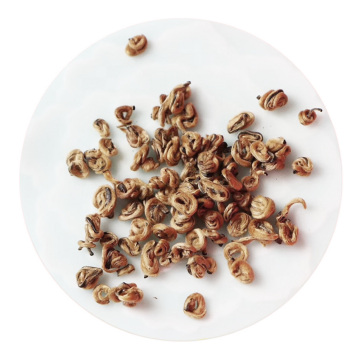
Dianhong Golden Snail
Dianhong Golden Snail is a curled Yunnan black tea.
Read the English guide →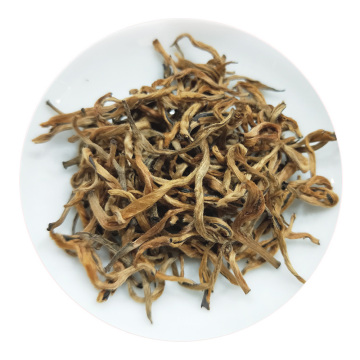
Dianhong Golden Silk
Dianhong Golden Silk is a Yunnan black-tea trade name referring to golden, thread-like leaf or bud material.
Read the English guide →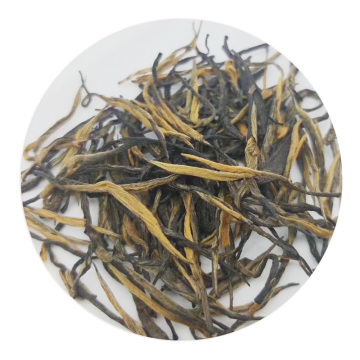
Dianhong Golden Buds
Dianhong Golden Buds is a bud-focused Yunnan black-tea name.
Read the English guide →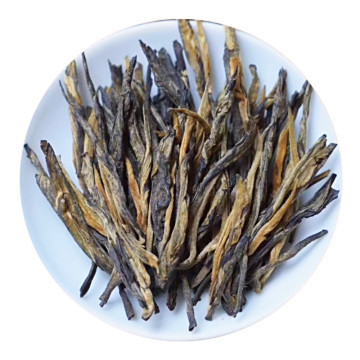
Dianhong Golden Needle
Dianhong Golden Needle is a needle-shaped Yunnan black-tea style.
Read the English guide →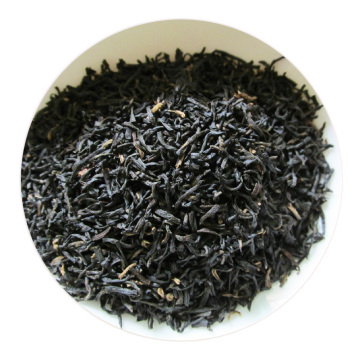
Broken Black Tea
Broken black tea is a broader production and particle-size category rather than one named garden tea.
Read the English guide →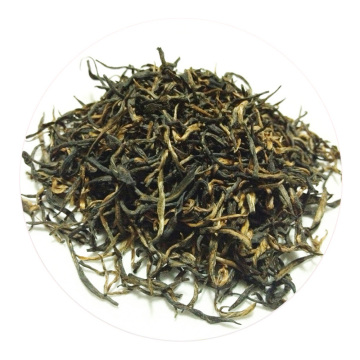
Hanshan Hong
Hanshan Hong is a named black-tea brand and product series associated with Hanzhong in Shaanxi.
Read the English guide →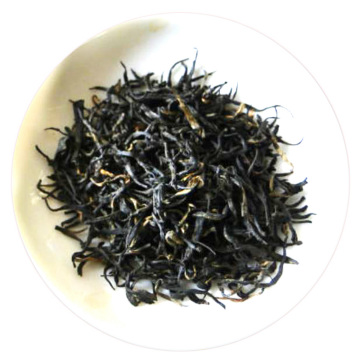
Longquan Black Tea
Longquan Black Tea is a regional black-tea reference from Longquan in Zhejiang.
Read the English guide →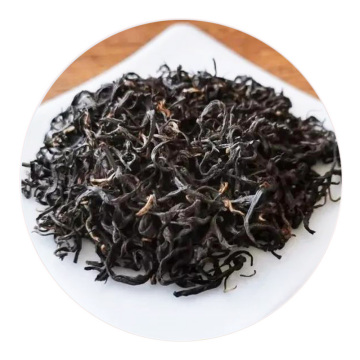
Quancheng Hong
Quancheng Hong is a black-tea product name associated with Jinan, the city of springs, in Shandong.
Read the English guide →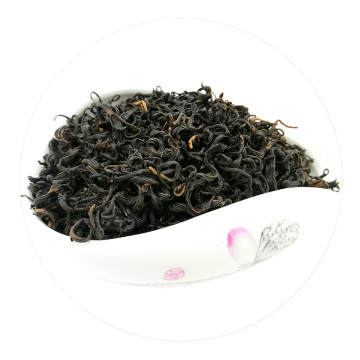
Rizhao Black Tea
Rizhao Black Tea is a regional black-tea reference from Rizhao in Shandong.
Read the English guide →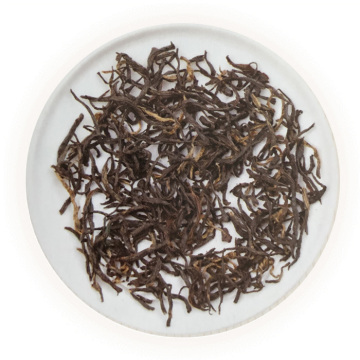
Rizhao Hongmei
Rizhao Hongmei is a named Rizhao black-tea reference whose older profile highlights a honey-like and winter-flower aroma.
Read the English guide →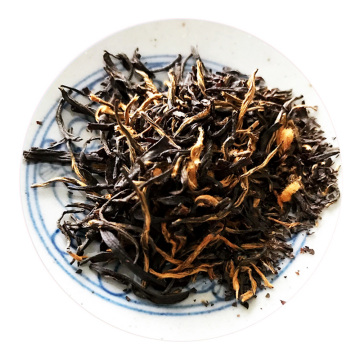
Suhong Gongfu
Suhong Gongfu is a Jiangsu black-tea name associated here with Yixing and its Yangxian tea tradition.
Read the English guide →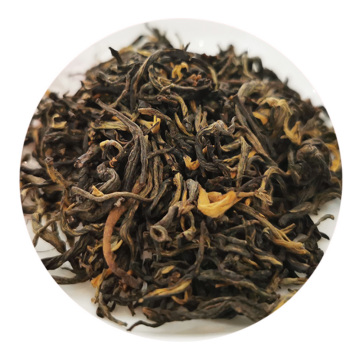
Zhaoping Hong
Zhaoping Hong is a black-tea reference from Zhaoping in Guangxi.
Read the English guide →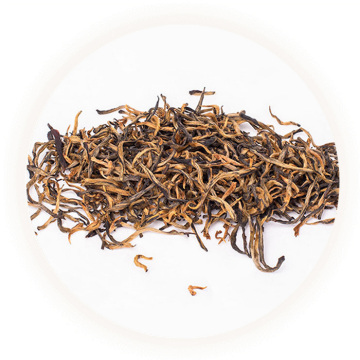
Zunyi Hong
Zunyi Hong is a Guizhou Gongfu black-tea reference associated in this collection with Meitan.
Read the English guide →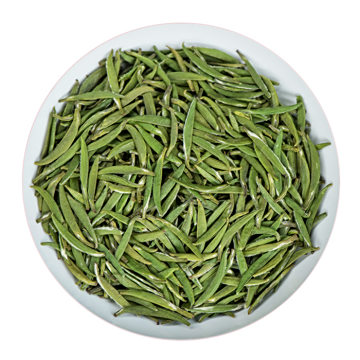
Meitan Cuiya
Meitan Cuiya is a flat green tea associated with Meitan in Guizhou.
Read the English guide →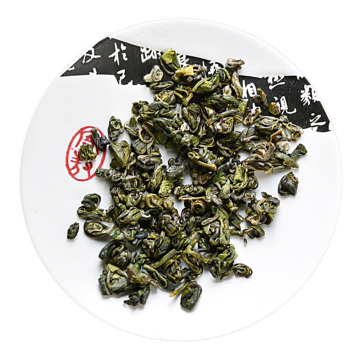
Fenggang Zinc-Selenium Tea
This entry covers the pearl-shaped green-tea version of Fenggang's zinc-selenium tea reference.
Read the English guide →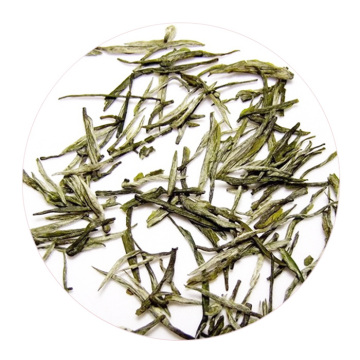
Guzhang Maojian
Guzhang Maojian is a green tea named for Guzhang County in Hunan's Wuling mountain area.
Read the English guide →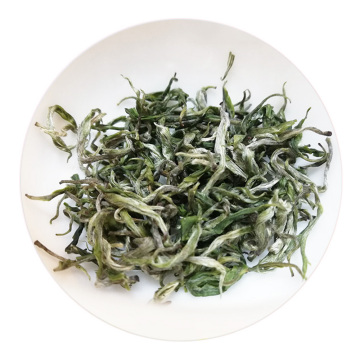
Baojing Huangjincha
This entry covers the green-tea reference Baojing Huangjincha from Hunan.
Read the English guide →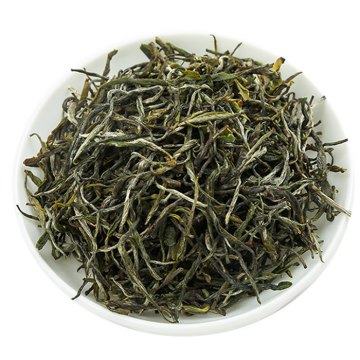
Lushan Yunwu
Lushan Yunwu, often translated as Mount Lu Cloud and Mist, is a Jiangxi green-tea reference.
Read the English guide →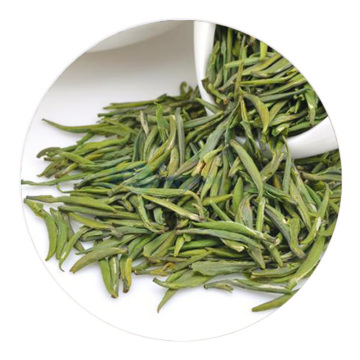
Kaihua Longding
Kaihua Longding is a bud-shaped green tea from Kaihua in Zhejiang.
Read the English guide →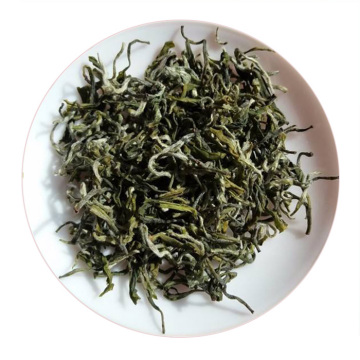
Jingshan Tea
Jingshan Tea is a green-tea reference associated with Jingshan in Hangzhou's Yuhang area.
Read the English guide →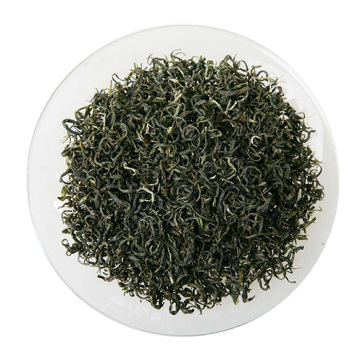
Gougunao
Gougunao is a Jiangxi green tea named after Gougunao Mountain in Suichuan.
Read the English guide →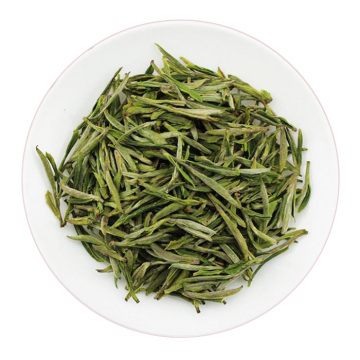
Guzhu Zisun
Guzhu Zisun, also called Changxing Zisun or Purple Bamboo Shoot, is a Zhejiang green tea.
Read the English guide →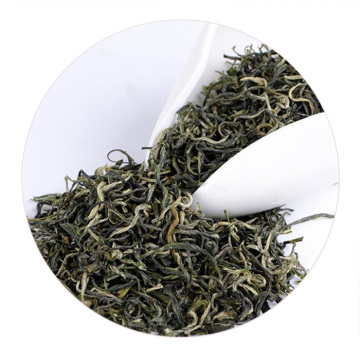
Huiming Tea
This entry concerns the traditional Huiming green-tea reference from Jingning in Zhejiang.
Read the English guide →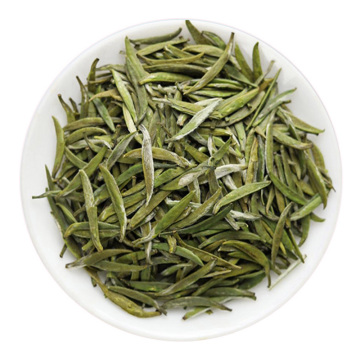
Hanzhong Xianhao
Hanzhong Xianhao is a regional green-tea name from southern Shaanxi.
Read the English guide →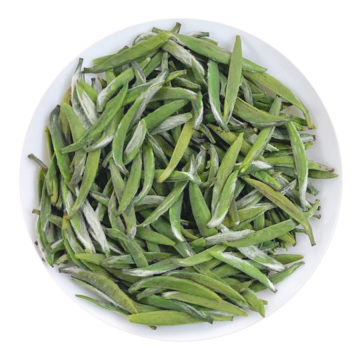
Wuzi Xianhao
Wuzi Xianhao, also called Wuzi Xianming in the earlier account, is a Xixiang green-tea reference associated with Wuzi Mountain.
Read the English guide →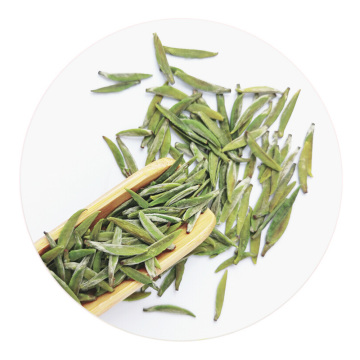
Qinba Wuhao
Qinba Wuhao is a Zhenba green tea with a flat, substantial leaf appearance.
Read the English guide →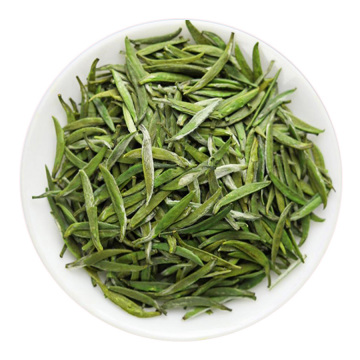
Ningqiang Queshe
Ningqiang Queshe is a county-level green-tea reference from Ningqiang in Hanzhong.
Read the English guide →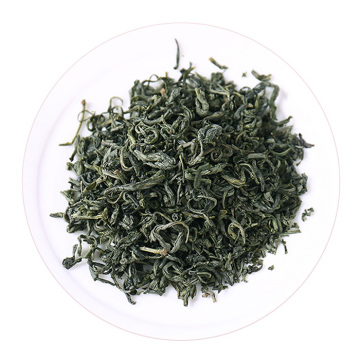
Hanzhong Chaoqing
Hanzhong Chaoqing is a Hanzhong pan-fired green-tea reference.
Read the English guide →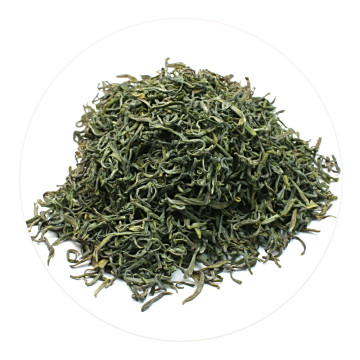
Xixiang Chaoqing
Xixiang Chaoqing, also called Xixiang Te Chao in the older account, is a local pan-fired green-tea reference from Xixiang in Hanzhong.
Read the English guide →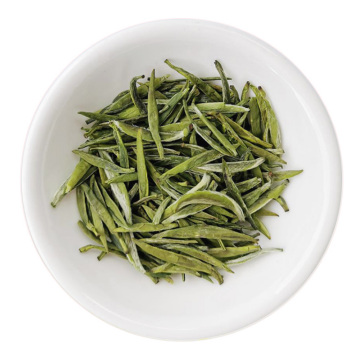
Hanshui Yinsuo
Hanshui Yinsuo is a Nanzheng green-tea reference whose name combines the Han River with a silver-shuttle leaf comparison.
Read the English guide →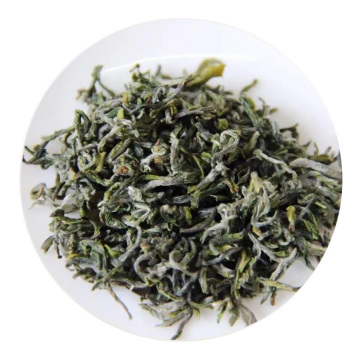
Shangnan Quanming
Shangnan Quanming is a Shangnan green-tea reference from the Shangluo area of Shaanxi.
Read the English guide →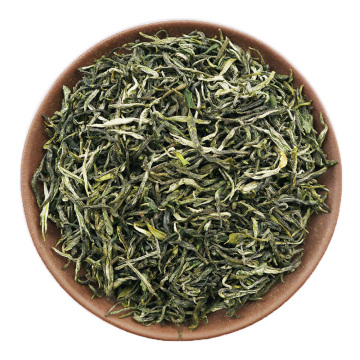
Ziyang Cuifeng
Ziyang Cuifeng is a green-tea reference from Ziyang in southern Shaanxi.
Read the English guide →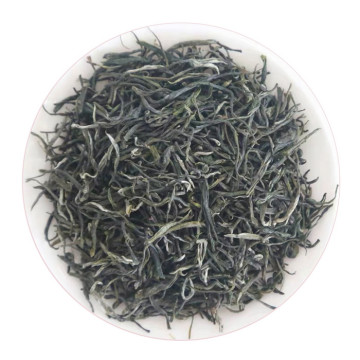
Ziyang Maojian
Ziyang Maojian is a green-tea reference associated with Ziyang and the upper Han River area of southern Shaanxi.
Read the English guide →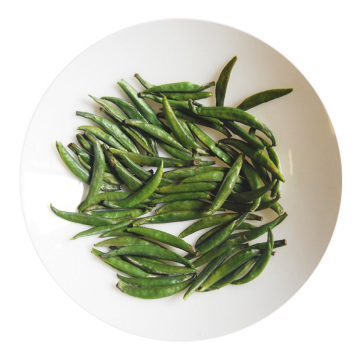
Bashan Queshe
Bashan Queshe is a Wanyuan green-tea reference from the Daba Mountain area of Sichuan.
Read the English guide →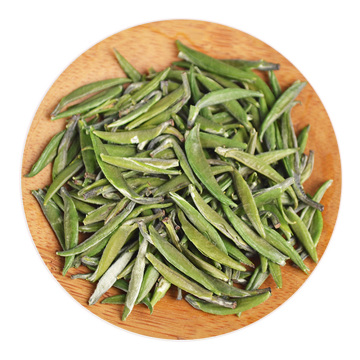
Baoding Xueya
Baoding Xueya is a named Sichuan green-tea reference.
Read the English guide →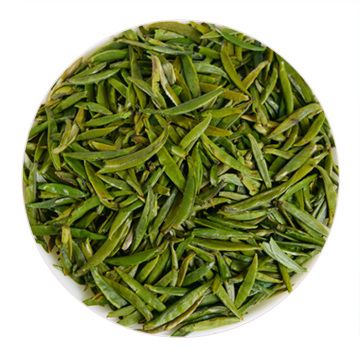
Emei Xueya
Emei Xueya is an Emei-associated tea name with both a literary history and modern product uses.
Read the English guide →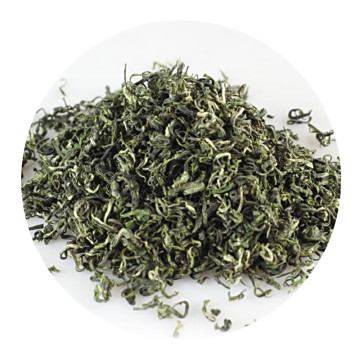
Emei Maofeng
Emei Maofeng is associated with Fengming in Ya'an, Sichuan, despite the Emei name.
Read the English guide →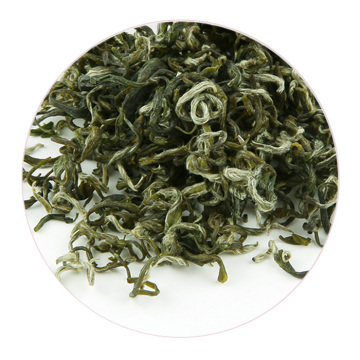
Qingcheng Xueya
Qingcheng Xueya is a green-tea reference from the Qingcheng Mountain area of Dujiangyan in Sichuan.
Read the English guide →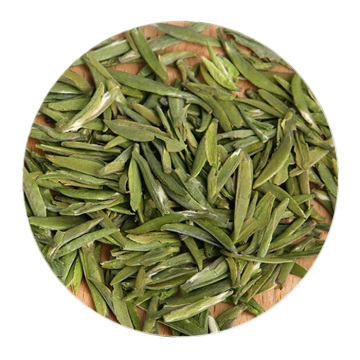
Pujiang Queshe
Pujiang Queshe is a green-tea reference from Pujiang in the Chengdu area of Sichuan.
Read the English guide →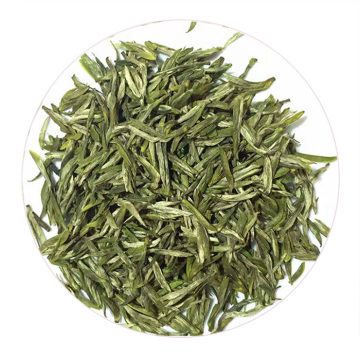
Yongchuan Xiuya
Yongchuan Xiuya is a needle-like green tea from Yongchuan in Chongqing.
Read the English guide →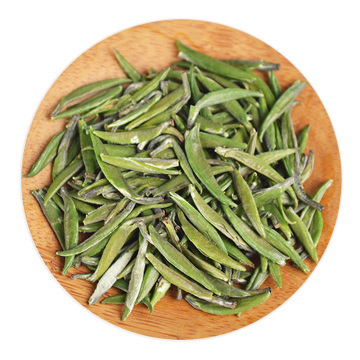
Xufu Longya
Xufu Longya is a named Yibin green-tea product with a brand context, rather than the name of every green tea from Yibin.
Read the English guide →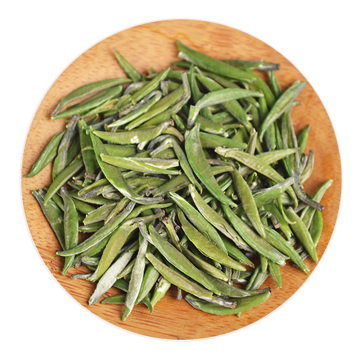
Baoding Green Tea
Baoding Green Tea is an older Dianjiang green-tea reference associated with Dongyin Mountain in Chongqing.
Read the English guide →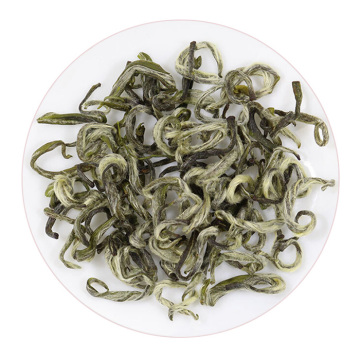
Wenjun Green Tea
Wenjun Green Tea is a Qionglai green-tea reference with a modern brand/product-range context.
Read the English guide →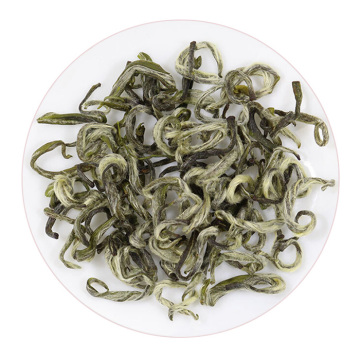
Wenjun Nenlu
Wenjun Nenlu is a curled green-tea product reference associated with Qionglai and the Wenjun range.
Read the English guide →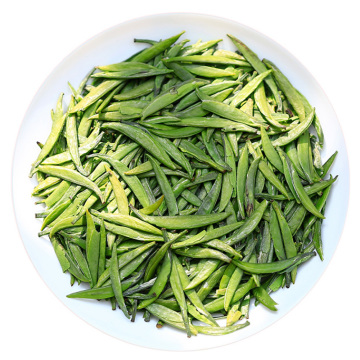
Yibin Queshe
Yibin Queshe is a Yibin green-tea reference using a sparrow-tongue-like shape name.
Read the English guide →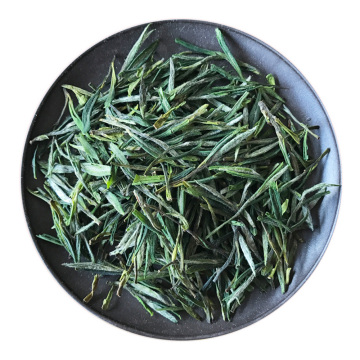
Jingang Bilv
Jingang Bilv is a named green-tea reference from the Jingangtai area of Shangcheng in Xinyang, Henan.
Read the English guide →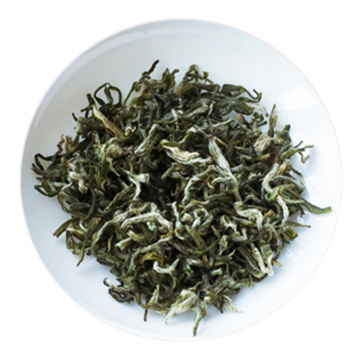
Guiding Yunwu
Guiding Yunwu is a curled green-tea reference from Guiding in Guizhou.
Read the English guide →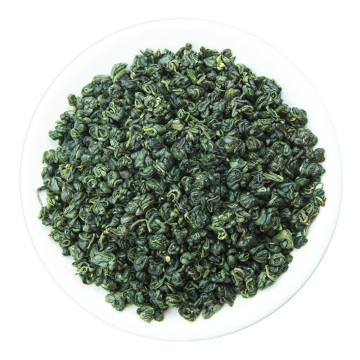
Lvbaoshi Green Tea
Lvbaoshi, or Emerald, is a Guizhou green-tea product reference with tightly worked flower-like granules.
Read the English guide →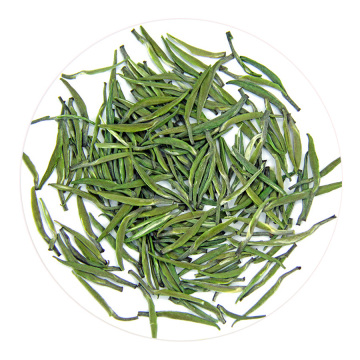
Lanxin Queshe
Lanxin Queshe is a Lanxin-branded green-tea product reference from Meitan in Guizhou.
Read the English guide →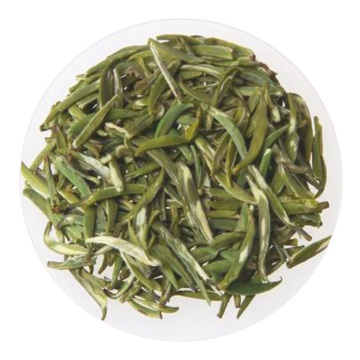
Liping Queshe
Liping Queshe is a flat green-tea reference from Liping in Guizhou.
Read the English guide →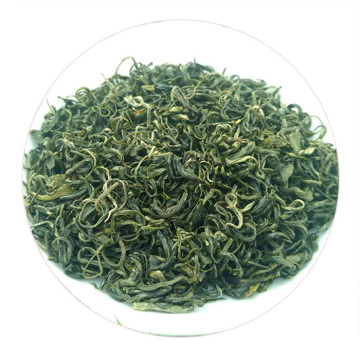
Zunyi Maofeng
Zunyi Maofeng is a green-tea reference associated with Meitan in Zunyi.
Read the English guide →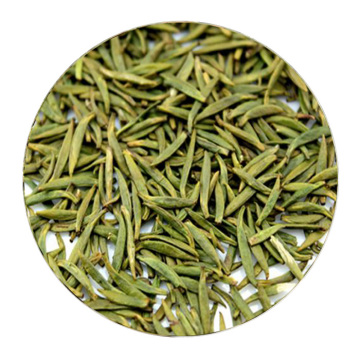
Queshe Baochun
Queshe Baochun is an inherited Guizhou green-tea reference whose name combines sparrow-tongue-like form with spring imagery.
Read the English guide →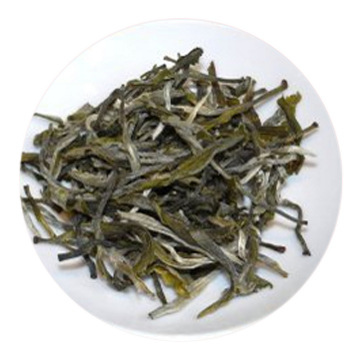
Nannuo Baihao
Nannuo Baihao is a Nannuo Mountain tea reference preserved here under the earlier green-tea profile.
Read the English guide →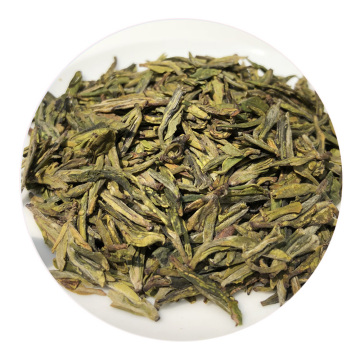
Baohong Tea
Baohong is a small-leaf green tea associated with Yiliang in Yunnan.
Read the English guide →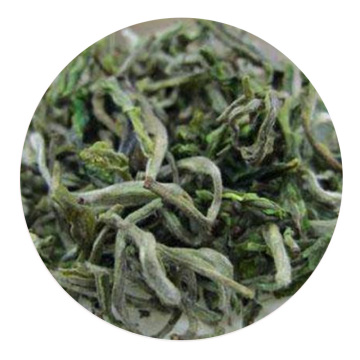
Cangshan Xuelv
Cangshan Xuelv is a green-tea reference associated with Dali and the former Xiaguan Tea Factory.
Read the English guide →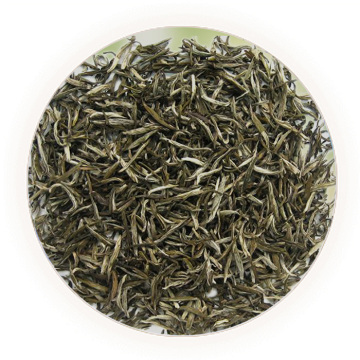
Dianchi Yinhao
Dianchi Yinhao is retained here as the earlier Yunnan green-tea entry, with slightly curled leaves and pale hairs.
Read the English guide →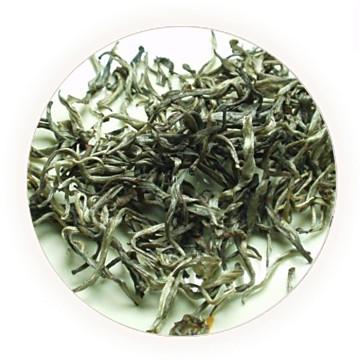
Dianqing
Dianqing is the Yunnan sun-dried green-tea reference in this encyclopedia.
Read the English guide →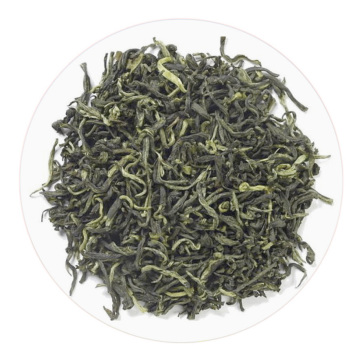
Yingde Green Tea
Yingde Green Tea is a regional green-tea reference from Guangdong.
Read the English guide →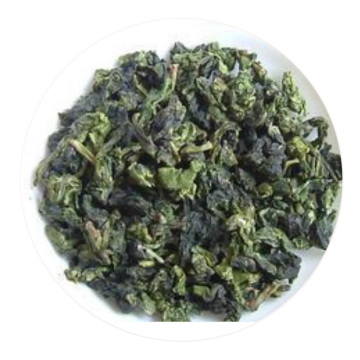
Gulao Tea
Gulao is a historical Guangdong green-tea reference from Heshan.
Read the English guide →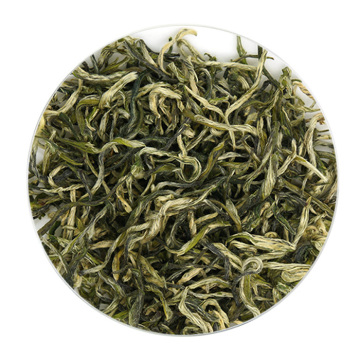
Guilin Maojian
Guilin Maojian is a green tea associated with the tea-research institute at the foot of Yaoshan in Guilin.
Read the English guide →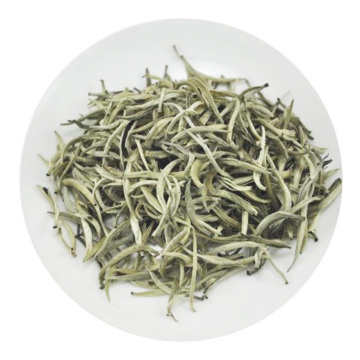
Lingyun Baihao
Lingyun Baihao is presented here as the inherited green-tea version.
Read the English guide →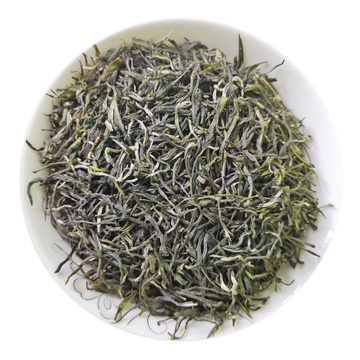
Qintang Maojian
Qintang Maojian is a Guangxi green tea associated with Qintang in Guigang.
Read the English guide →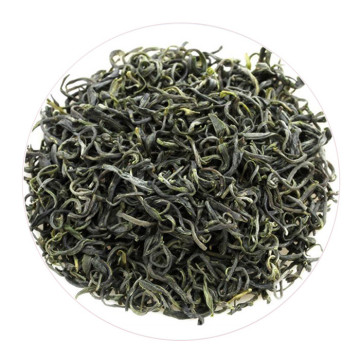
Tianshan Green Tea
Tianshan Green Tea here means the eastern Fujian tea associated with Ningde.
Read the English guide →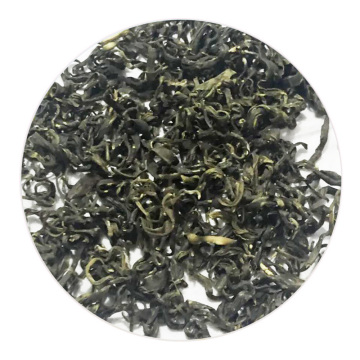
Longyan Xiebei Tea
Longyan Xiebei is a pan-worked green tea associated with Jiangshan in Longyan.
Read the English guide →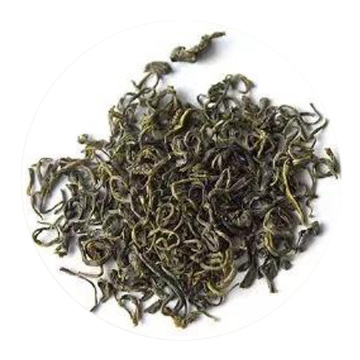
Nanan Shiting Green Tea
Shiting Green is the historical pan-worked green tea associated with Lianhuafeng in Nanan, Fujian.
Read the English guide →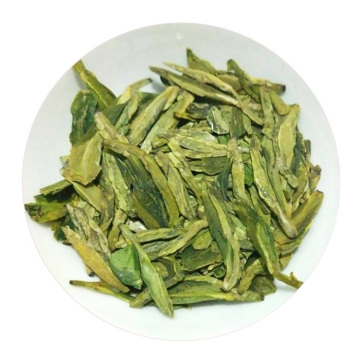
Dafo Longjing
Dafo Longjing is the Xinchang Longjing reference in this encyclopedia.
Read the English guide →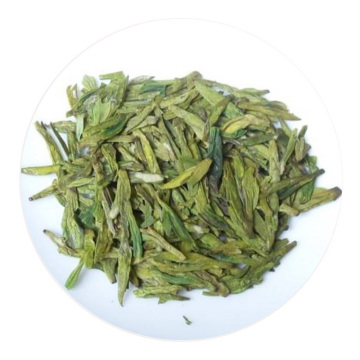
Qiantang Longjing
Qiantang Longjing refers to one Longjing production-area context in Zhejiang.
Read the English guide →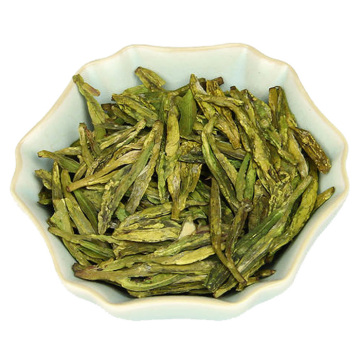
Shifeng Longjing
Shifeng Longjing is a West Lake Longjing origin reference associated with Lion Peak in Hangzhou.
Read the English guide →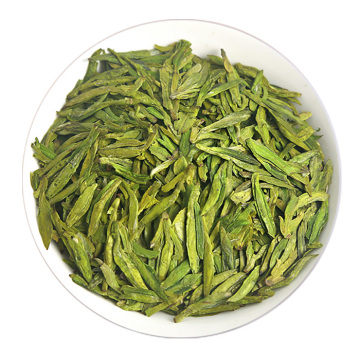
Yuexiang Longjing
Yuexiang Longjing is a Shengzhou regional Longjing brand reference.
Read the English guide →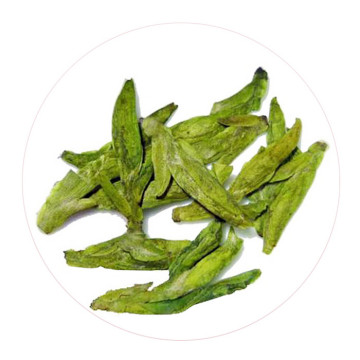
Wuniuzao
Wuniuzao names very early-sprouting tea-plant material, also discussed as Jiaming No. 1.
Read the English guide →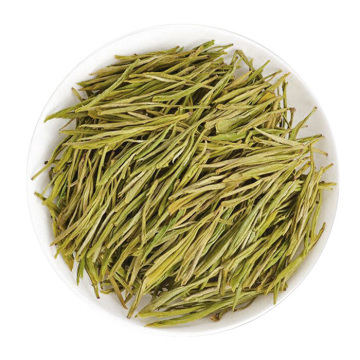
Huangjinya
Huangjinya is a light-sensitive tea-plant cultivar used here in the inherited green-tea context.
Read the English guide →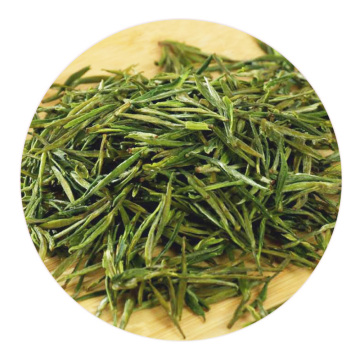
Tianmu Qingding
Tianmu Qingding is a baked green tea associated with the Tianmu mountains in Zhejiang.
Read the English guide →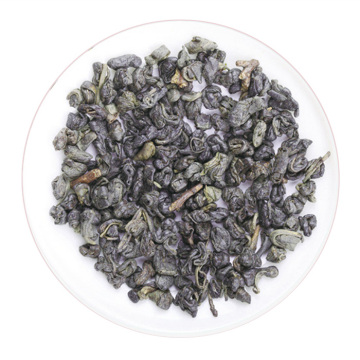
Pingshui Zhucha
Pingshui Zhucha is the round pearl-style green tea associated with Pingshui in Zhejiang.
Read the English guide →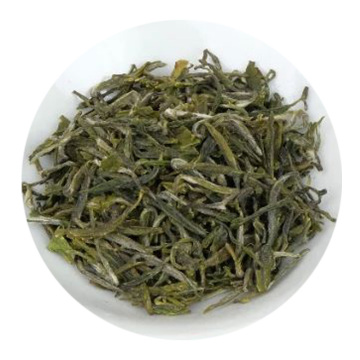
Huading Yunwu
Huading Yunwu is a green tea associated with Huading in Zhejiang’s Tiantai mountains.
Read the English guide →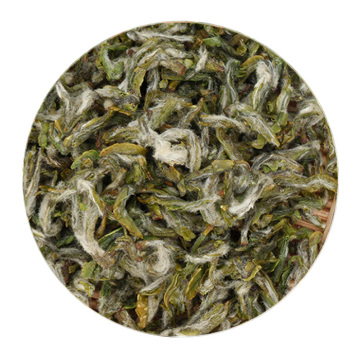
Putuo Focha
Putuo Focha is a green tea associated with the Buddhist tea tradition of Putuoshan in Zhoushan.
Read the English guide →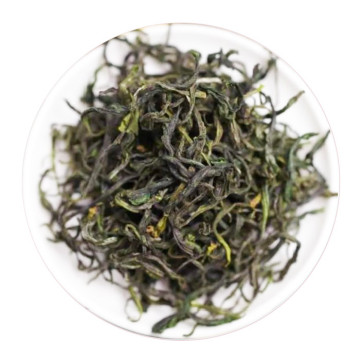
Jiukeng Maojian
Jiukeng Maojian is the green-tea entry associated with Jiukeng in Chun’an.
Read the English guide →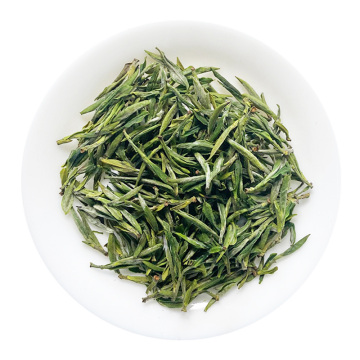
Jiangshan Lv Mudan
Jiangshan Lv Mudan is the Green Peony green tea associated with Jiangshan in Zhejiang.
Read the English guide →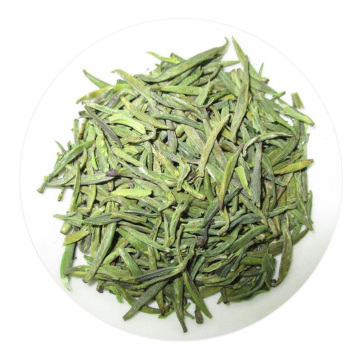
Qiandao Yinzhen
Qiandao Yinzhen is the needle-shaped green tea associated with Jiande in Zhejiang.
Read the English guide →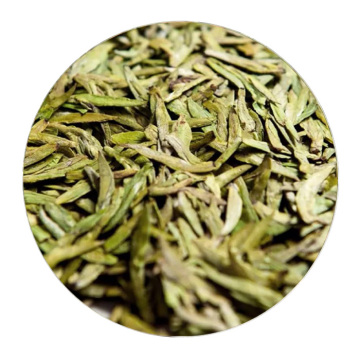
Qiandao Yuye
Qiandao Yuye is the flat green tea associated with Chun’an and Qiandao Lake in Zhejiang.
Read the English guide →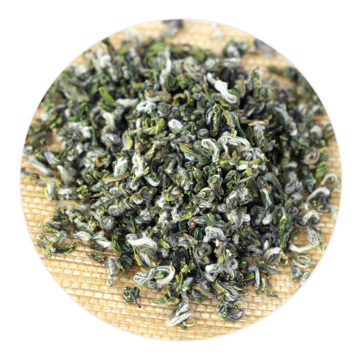
Linhai Panhao
Linhai Panhao is a curled green tea associated with Linhai in Zhejiang.
Read the English guide →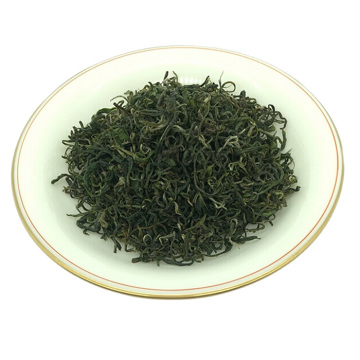
Yandang Maofeng
Yandang Maofeng is a green tea associated with Yueqing’s Yandang mountains in Zhejiang.
Read the English guide →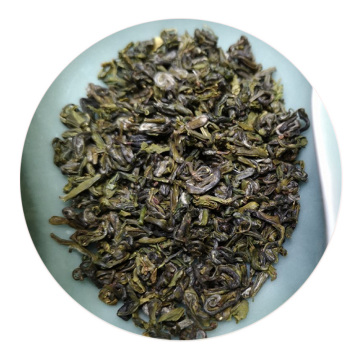
Yangyan Gouqing
Yangyan Gouqing is the hooked green tea associated with Yangyan in Linhai, Zhejiang.
Read the English guide →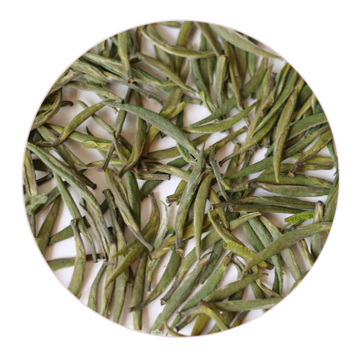
Wuyang Chunyu
Wuyang Chunyu is the Spring Rain green tea associated with Wuyi County in Zhejiang.
Read the English guide →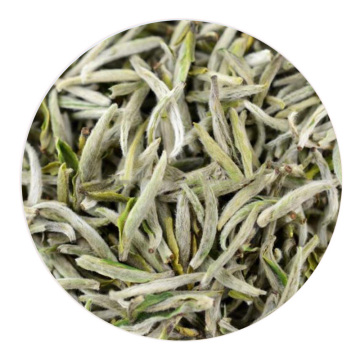
Songyang Yinhou
Songyang Yinhou is the Silver Monkey green tea associated with Songyang in Zhejiang.
Read the English guide →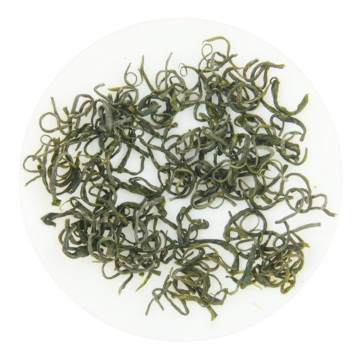
Suichang Yinhou
Suichang Yinhou is the Silver Monkey green tea associated with Suichang County in Zhejiang.
Read the English guide →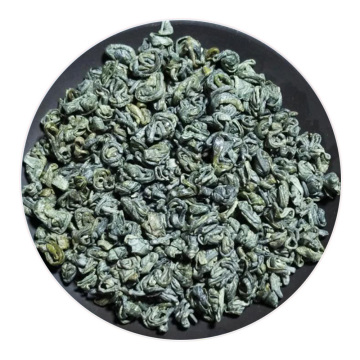
Quangang Huibai
Quangang Huibai is the coiled green tea associated with Quangang, also historically written Qiangang, in Shengzhou, Zhejiang.
Read the English guide →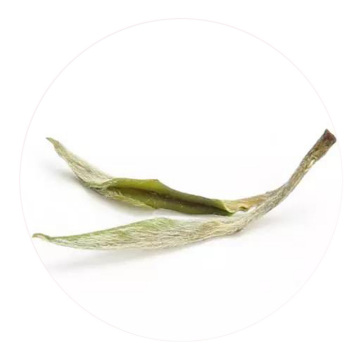
Lanxi Maofeng
Lanxi Maofeng is the green tea associated with Lanxi in Zhejiang.
Read the English guide →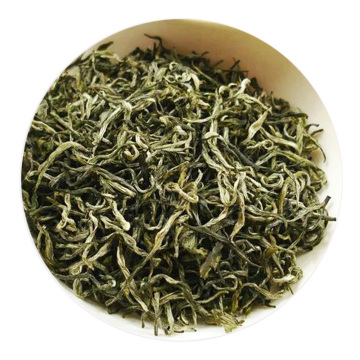
Xiangshan Cuifeng
Xiangshan Cuifeng is the green tea associated here with Xin County in Xinyang, Henan.
Read the English guide →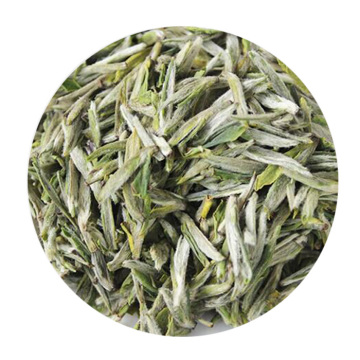
Jingting Lvxue
Jingting Lvxue is the Green Snow green tea associated with Jingting Mountain in Xuancheng, Anhui.
Read the English guide →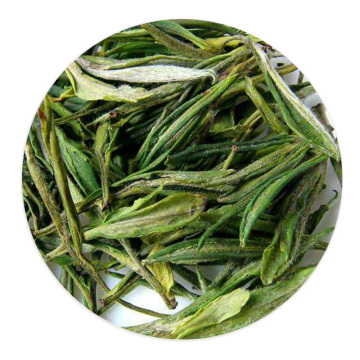
Jiuhua Maofeng
Jiuhua Maofeng is a green tea associated with the Jiuhua mountain area of Anhui.
Read the English guide →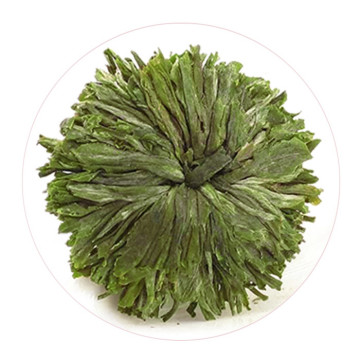
Huangshan Lv Mudan
Huangshan Lv Mudan is the Green Peony shaped green tea associated with Shexian in Anhui.
Read the English guide →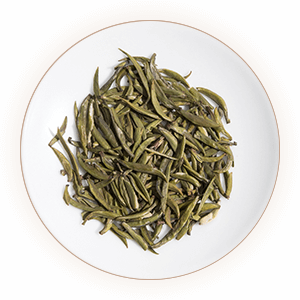
Huangshan Zhenyu
Huangshan Zhenyu is the needle-style green-tea entry from the Huangshan context.
Read the English guide →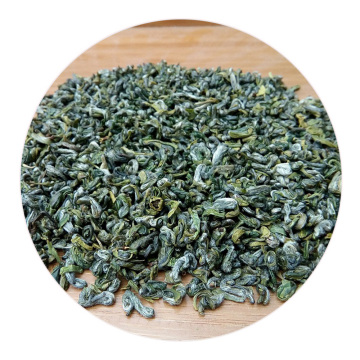
Jinshan Shiyu
Jinshan Shiyu is a green tea associated with Jixi in Anhui.
Read the English guide →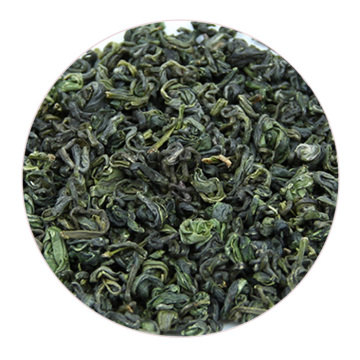
Xiuning Songluo
Xiuning Songluo is the curled green tea associated with Xiuning and Songluo Mountain in Anhui.
Read the English guide →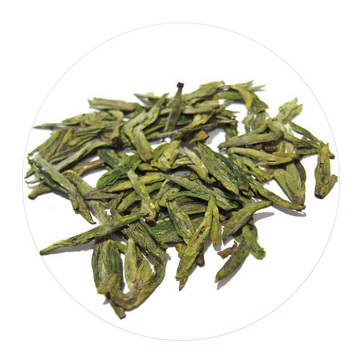
Laozhu Dafang
Laozhu Dafang is the flat green tea associated with Shexian in Anhui.
Read the English guide →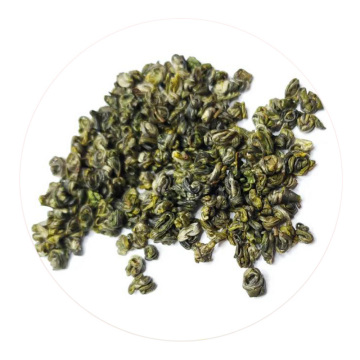
Yongxi Huoqing
Yongxi Huoqing is a tightly worked granular green tea associated with Yongxi in Jing County, Anhui.
Read the English guide →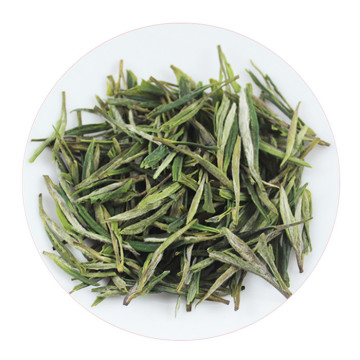
Tingxi Lanxiang
Tingxi Lanxiang is the Orchid Fragrance green tea associated with Tingxi in Jing County, Anhui.
Read the English guide →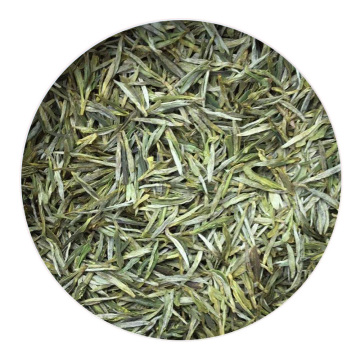
Ruicaokui
Ruicaokui is the green tea associated with Yashan and Langxi in Anhui.
Read the English guide →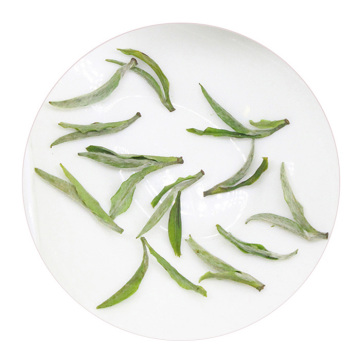
Shucheng Lanhua
Shucheng Lanhua is the orchid-like green-tea entry associated with Shucheng in Anhui.
Read the English guide →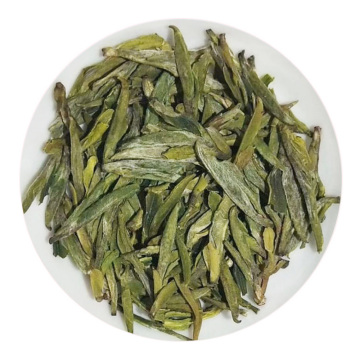
Tianzhu Jianhao
Tianzhu Jianhao is the sword-like green tea associated with Qianshan and the Tianzhu mountain area of Anhui.
Read the English guide →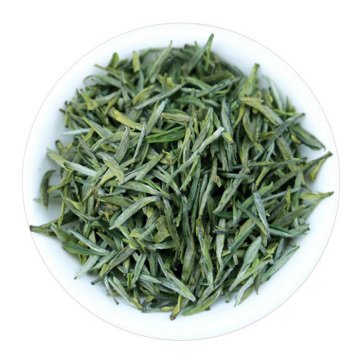
Yuexi Cuilan
Yuexi Cuilan is the orchid-shaped green tea associated with Yuexi County in Anhui.
Read the English guide →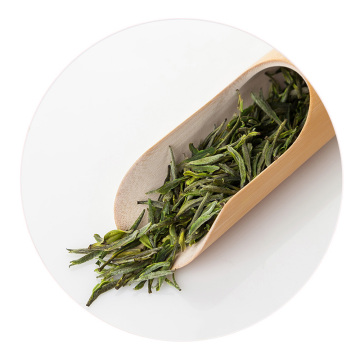
Tongcheng Xiaohua
Tongcheng Xiaohua is a green tea associated with Tongcheng in Anhui.
Read the English guide →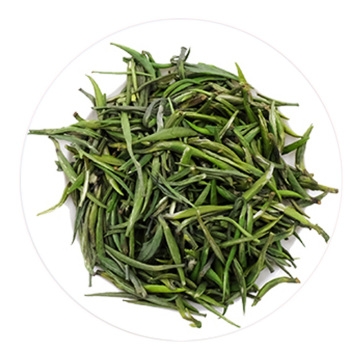
Qishan Cuimei
Qishan Cuimei is the eyebrow-shaped green tea associated with Jinzhai in Anhui and also described as Jinzhai Cuimei.
Read the English guide →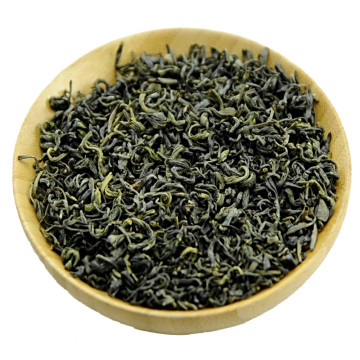
Tunxi Green Tea
Tunxi Green Tea, or Tun Lu, refers to a green-tea trade and processing tradition associated with Tunxi.
Read the English guide →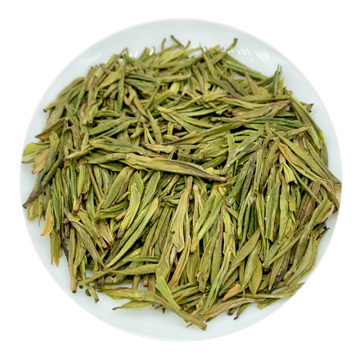
Tianmuhu Baicha
Tianmuhu Baicha is a green tea from Liyang in Jiangsu, despite the White Tea translation of its name.
Read the English guide →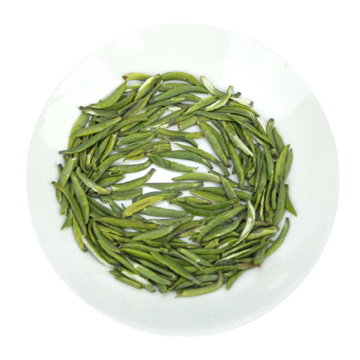
Jintan Queshe
Jintan Queshe is the flat green tea associated with Jintan in Jiangsu.
Read the English guide →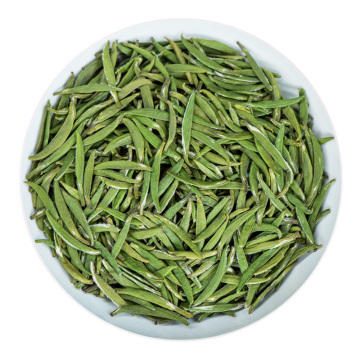
Taihu Cuizhu
Taihu Cuizhu is a green tea associated with Wuxi in Jiangsu.
Read the English guide →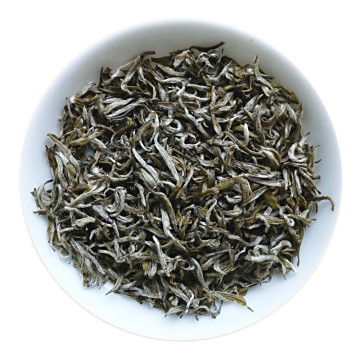
Wuxi Haocha
Wuxi Haocha is a curled green tea associated with Wuxi in Jiangsu.
Read the English guide →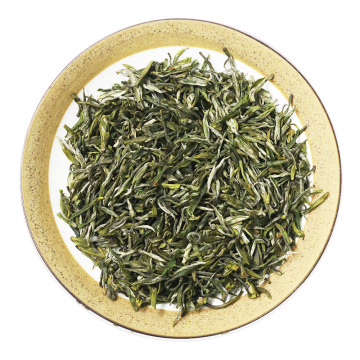
Yangxian Xueya
Yangxian Xueya is a straight green tea from Yixing in Jiangsu.
Read the English guide →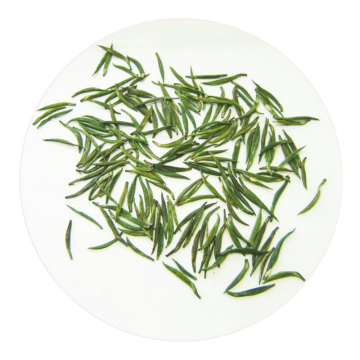
Jinshan Cuiya
Jinshan Cuiya is a flat green tea associated with Zhenjiang in Jiangsu.
Read the English guide →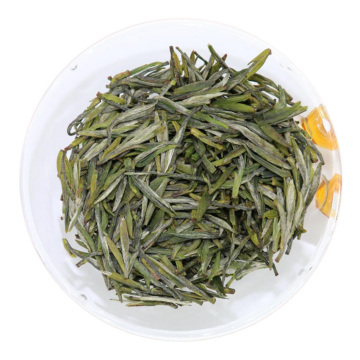
Maoshan Qingfeng
Maoshan Qingfeng is a flat green tea associated with Maolu in Jintan, Jiangsu.
Read the English guide →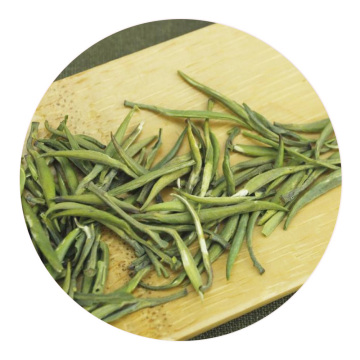
Nanshan Shoumei
Nanshan Shoumei is a green tea associated with Liyang in Jiangsu.
Read the English guide →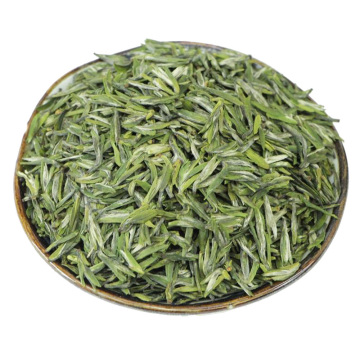
Yizheng Lüyangchun
Yizheng Lüyangchun is a green tea associated with Yizheng in the Yangzhou area of Jiangsu.
Read the English guide →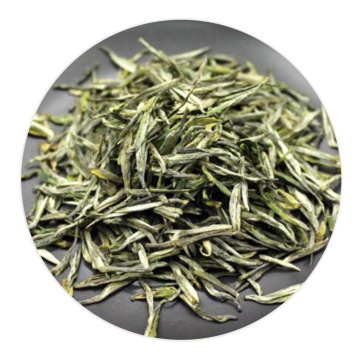
Huaguoshan Yunwu
Huaguoshan Yunwu is a green tea associated with Huaguoshan in Lianyungang, Jiangsu.
Read the English guide →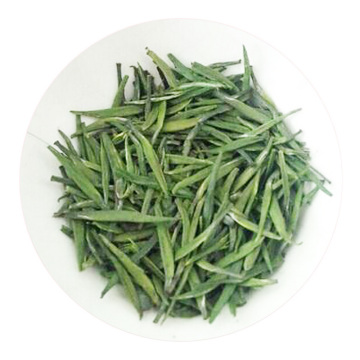
Shuixi Cuibai
Shuixi Cuibai is a green tea associated with Shuixi in Liyang, Jiangsu.
Read the English guide →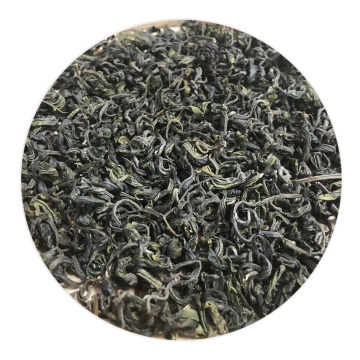
Dazhangshan Yunwu
Dazhangshan Yunwu is the Cloud and Mist green tea associated with Dazhangshan in Wuyuan, Jiangxi.
Read the English guide →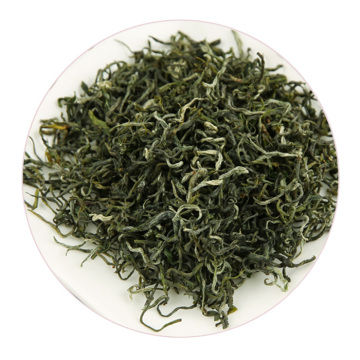
Wuyuan Mingmei
Wuyuan Mingmei is an eyebrow-shaped green tea from Wuyuan in Jiangxi.
Read the English guide →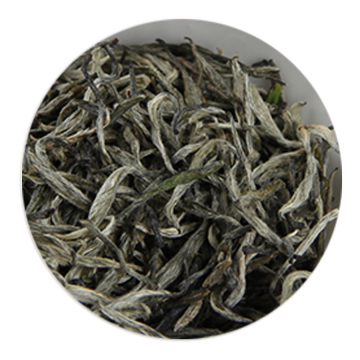
Shangrao Baimei
Shangrao Baimei is a green tea associated with Guangxin District in Shangrao, Jiangxi.
Read the English guide →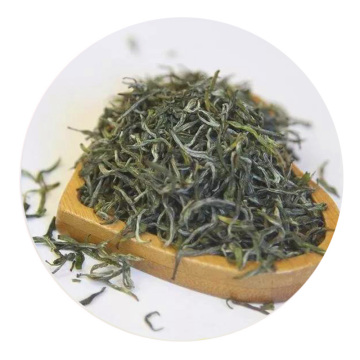
Shuangjing Lü
Shuangjing Lü is a revived green-tea name associated with Shuangjing in Xiushui, Jiangxi.
Read the English guide →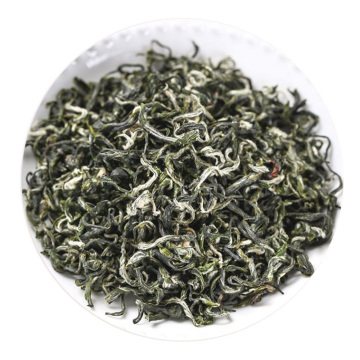
Jinggang Cuilü
Jinggang Cuilü is a green tea associated with Jinggangshan in Jiangxi.
Read the English guide →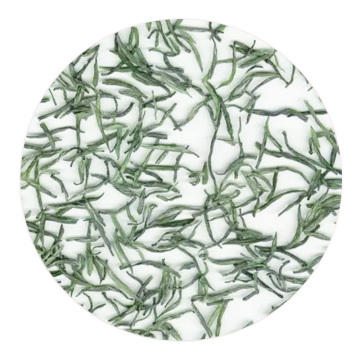
Jinggang Yinzhen
Jinggang Yinzhen is presented in the inherited Chinese entry as a needle-shaped green tea from Jinggangshan.
Read the English guide →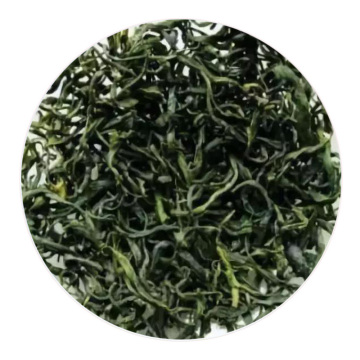
Jiulong Tea
Jiulong Tea in this entry is the green tea associated with Anyuan in southern Jiangxi.
Read the English guide →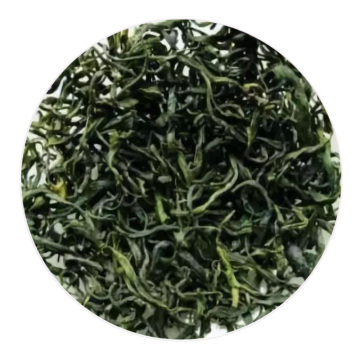
Magu Tea
Magu Tea is a green tea associated with Nancheng and Magushan in Jiangxi.
Read the English guide →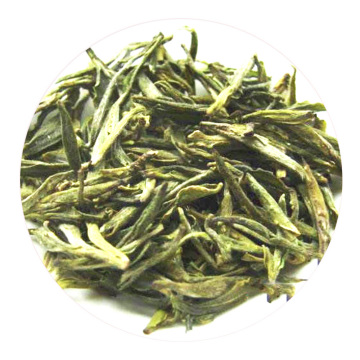
Tongtian Rock Tea
Tongtian Rock Tea in this entry is a Jiangxi green tea associated with Tongtianzhai in Shicheng.
Read the English guide →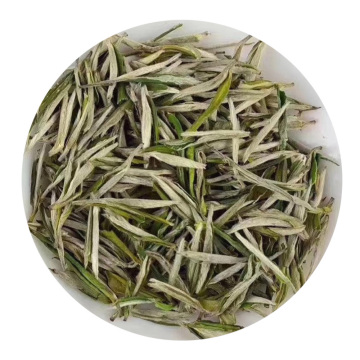
Xiaobu Rock Tea
Xiaobu Rock Tea in this entry is a green tea associated with Xiaobu in Ningdu, Jiangxi, combining pan working and baking.
Read the English guide →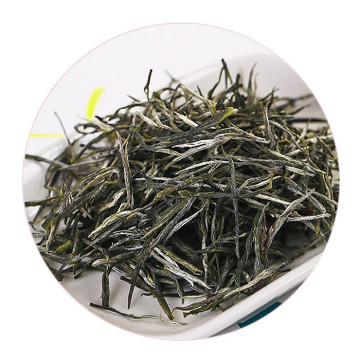
Anhua Songzhen
Anhua Songzhen is a needle-shaped green tea from Anhua in Hunan.
Read the English guide →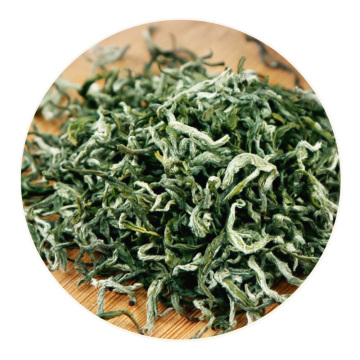
Baima Maojian
Baima Maojian is a green tea associated with Longhui in Hunan.
Read the English guide →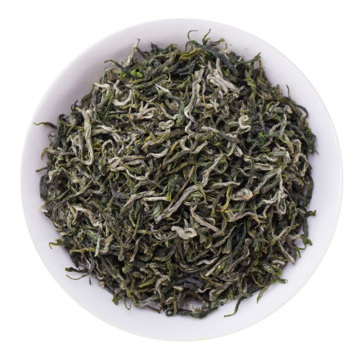
Gaoqiao Yinfeng
Gaoqiao Yinfeng is a green tea associated with Gaoqiao in Changsha County, Hunan, and the provincial tea research institute.
Read the English guide →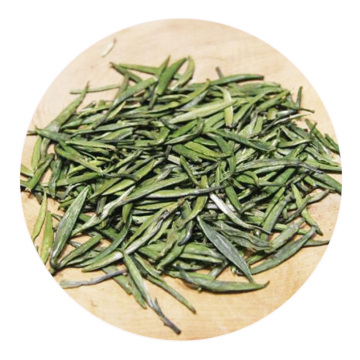
Guanzhuang Maojian
Guanzhuang Maojian is a green tea associated with Guanzhuang in Yuanling, Hunan.
Read the English guide →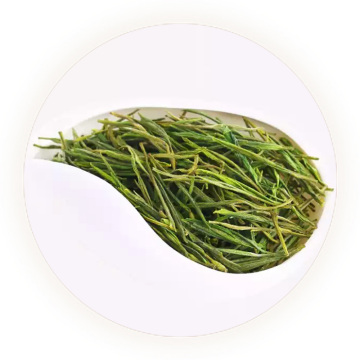
Zixi Baicha
Zixi Baicha is the pale-leaf green-tea entry from Zixi in Jiangxi.
Read the English guide →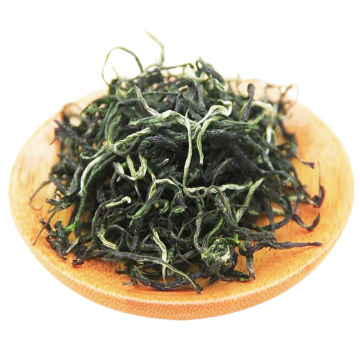
Xiangqi Yunwu
Xiangqi Yunwu is a green tea associated with Xiangqi Mountain in Zhaoping, Guangxi Zhuang Autonomous Region.
Read the English guide →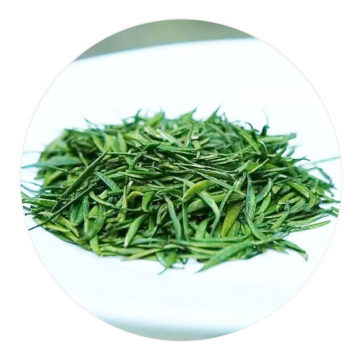
Baokang Songzhen
Baokang Songzhen is a green-tea entry associated with Baokang in Hubei.
Read the English guide →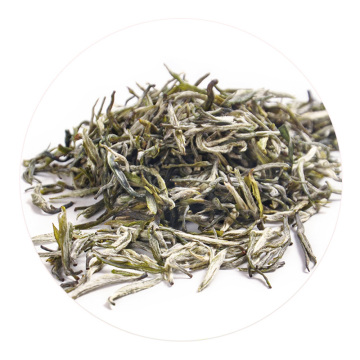
Caihua Maojian
Caihua Maojian is a green tea associated with Caihua in Wufeng, Hubei.
Read the English guide →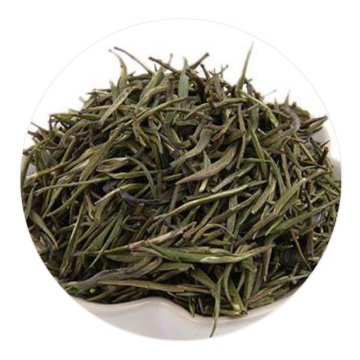
Guishan Yanlü
Guishan Yanlü is a green tea associated with Guifeng Mountain in Macheng, Hubei.
Read the English guide →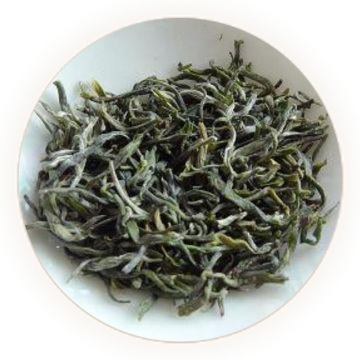
Jinshui Cuifeng
Jinshui Cuifeng is a green-tea entry associated with the Jinshui area in Hubei.
Read the English guide →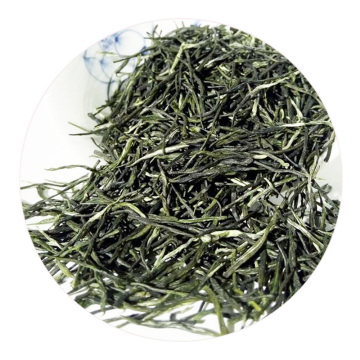
Xiazhou Bifeng
Xiazhou Bifeng is a green tea associated with Yiling in Yichang, around Xiling Gorge.
Read the English guide →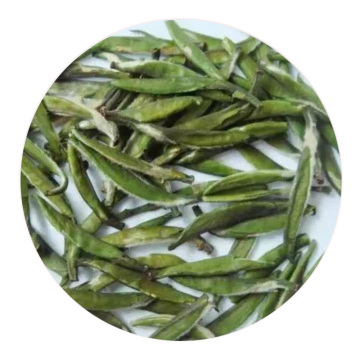
Yuquan Xianrenzhang
Yuquan Xianrenzhang is a palm-shaped green tea associated with Yuquan in Dangyang, Hubei.
Read the English guide →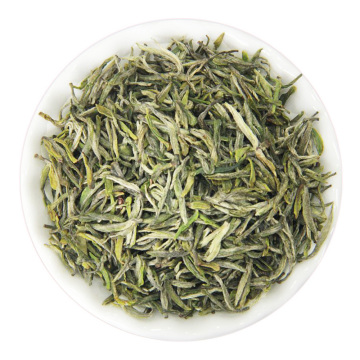
Cheyunshan Maojian
Cheyunshan Maojian is the Xinyang-area green tea associated with Cheyun Mountain in Henan.
Read the English guide →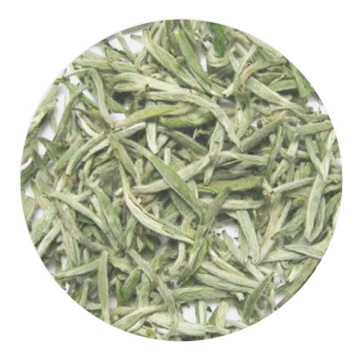
Taibai Yinhao
Taibai Yinhao is a green tea associated with the Taibaiding area of Tongbai, Henan.
Read the English guide →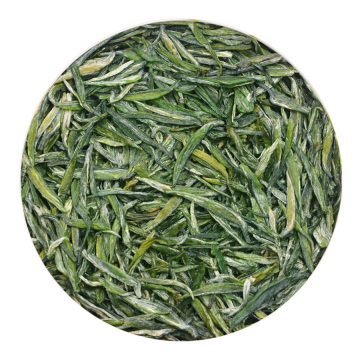
Yangtian Xuelü
Yangtian Xuelü is the flat green-tea style described in this inherited Gushi entry.
Read the English guide →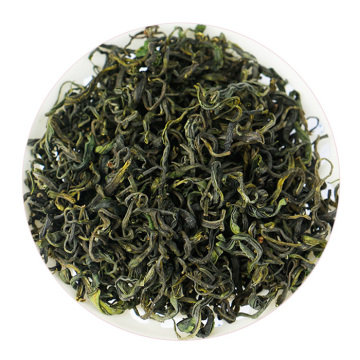
Rizhao Green Tea
Rizhao Green Tea is a regional green tea from Rizhao in coastal Shandong.
Read the English guide →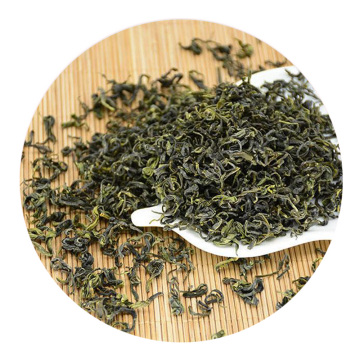
Zhucheng Green Tea
Zhucheng Green Tea is a regional green tea from Zhucheng in Shandong, with Taolin an important associated area.
Read the English guide →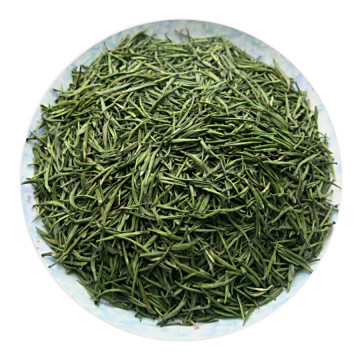
Yingshan Yunwu
Yingshan Yunwu is a regional green-tea entry from Yingshan in Hubei.
Read the English guide →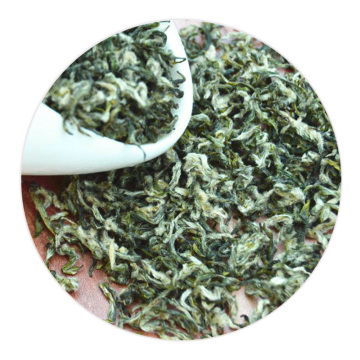
Erui
Erui is a green tea associated with the Emei mountain area in Sichuan.
Read the English guide →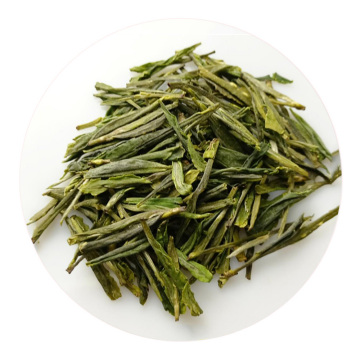
Huangyun Cuizhu
Huangyun Cuizhu is a green-tea entry associated with Nanzheng in Hanzhong, Shaanxi.
Read the English guide →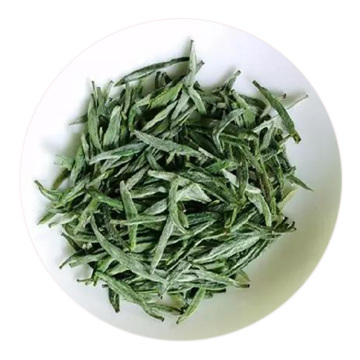
Longzhong Tea
Longzhong Tea is the inherited green-tea entry associated with Longzhong near Xiangyang in Hubei.
Read the English guide →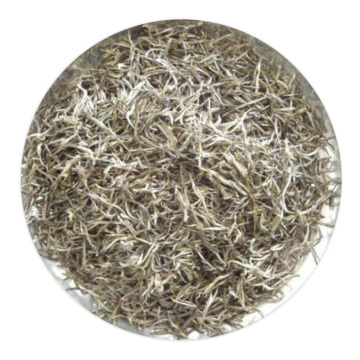
Shuanglong Yinzhen
Shuanglong Yinzhen is the Jinhua green-tea entry from Zhejiang, associated with the Shuanglong area.
Read the English guide →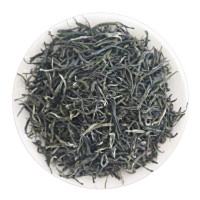
Shuangqiao Maojian
Shuangqiao Maojian is the inherited baked green-tea entry associated with Shuangqiao in Dawu, Hubei.
Read the English guide →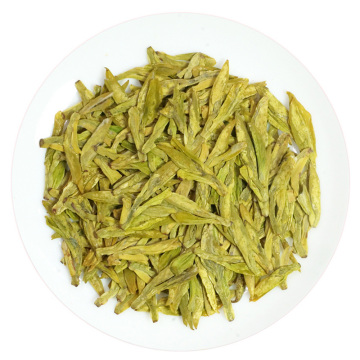
Tiantai Huangcha
Tiantai Huangcha is the yellow-leaf green-tea entry made with Zhonghuang1 plant material from Tiantai in Zhejiang.
Read the English guide →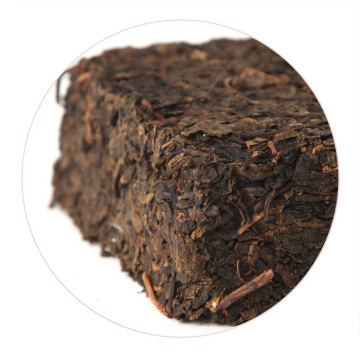
Anhua Dark Tea (Fu Brick)
Anhua dark tea is a Hunan tea family, not a synonym for one brick.
Read the English guide →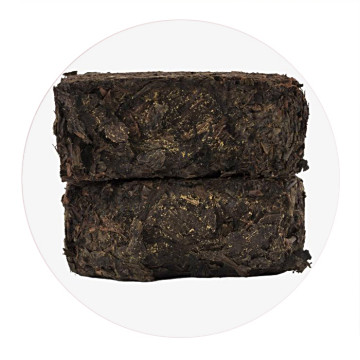
Jingyang Fu Brick Tea
Jingyang Fu Brick is a Shaanxi dark tea with a controlled flowering stage.
Read the English guide →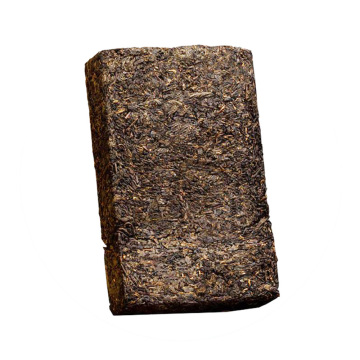
Jingwei Fu Tea
Jingwei Fu Tea is a brand associated with Xianyang in Shaanxi.
Read the English guide →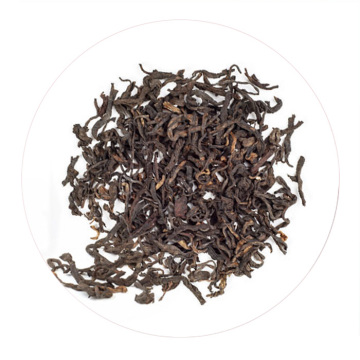
Liubao Tea
Liubao is a Guangxi dark tea associated with Wuzhou.
Read the English guide →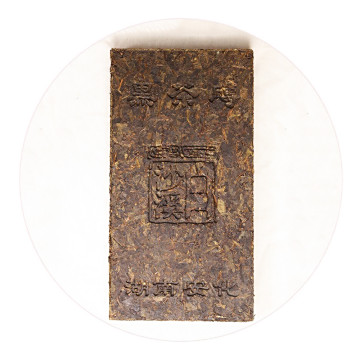
Hei Brick Tea
Hei Brick is a pressed dark tea associated with Anhua in Hunan.
Read the English guide →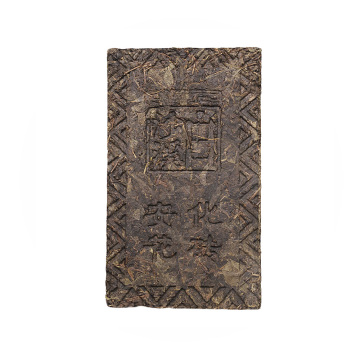
Hua Brick Tea
Hua Brick is an Anhua dark tea named for the patterns on the brick.
Read the English guide →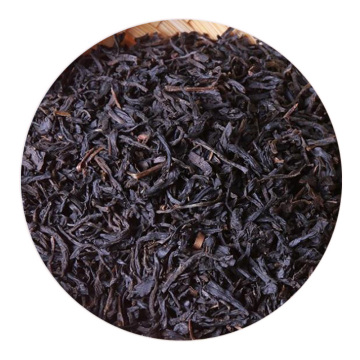
Qimen An Tea
Qimen An Tea is an Anhui tea associated with bamboo-basket packing and a distinctive refining process.
Read the English guide →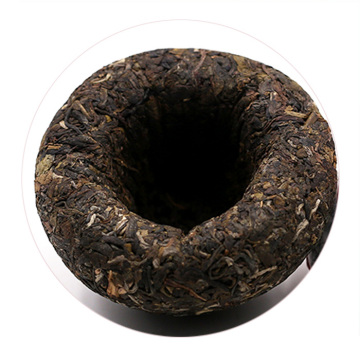
Chongqing Tuocha
Chongqing Tuocha is a compressed tea associated with Chongqing.
Read the English guide →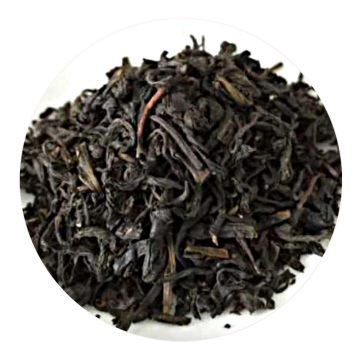
Hei Maocha
Hei Maocha is prepared dark-tea material used for further processing.
Read the English guide →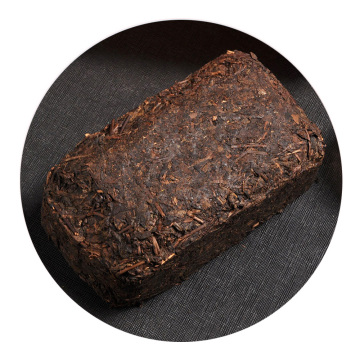
Jinjian Tea
Jinjian is a compressed dark tea associated with Sichuan's southern-route border-tea tradition.
Read the English guide →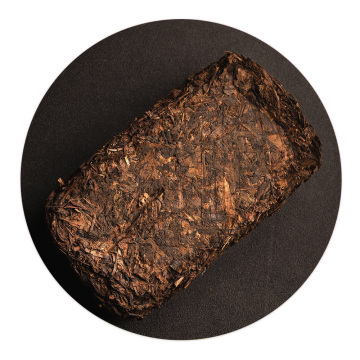
Kang Brick Tea
Kang Brick is a compressed dark tea associated with Sichuan's southern-route border-tea tradition.
Read the English guide →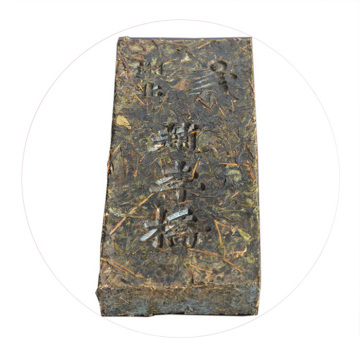
Laoqing Tea and Qing Brick
Laoqing is prepared tea material associated with Hubei Qing brick production.
Read the English guide →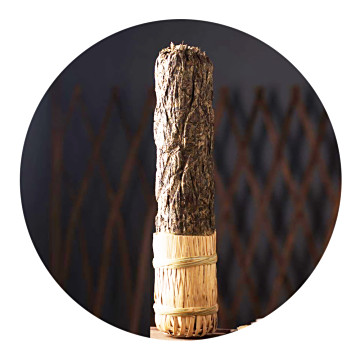
Qianliang Tea
Qianliang, also called Huajuan, is an Anhua dark tea traditionally pressed into a long cylinder.
Read the English guide →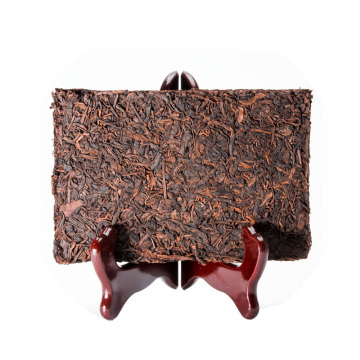
Qionglai Dark Tea
Qionglai dark tea is a Sichuan regional tea that includes loose and compressed products.
Read the English guide →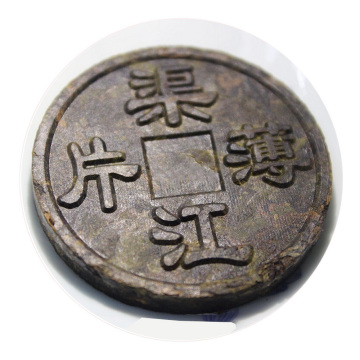
Qujiang Baopian
Qujiang Baopian refers here to a coin-like compressed dark tea associated with Hunan.
Read the English guide →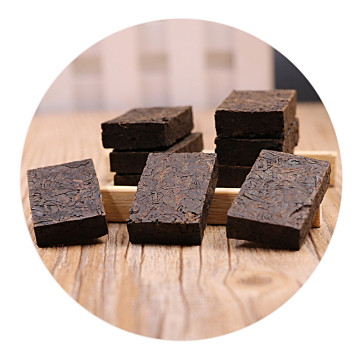
Xizang Dark Tea
Xizang dark tea here concerns tea associated with local production in Tibet.
Read the English guide →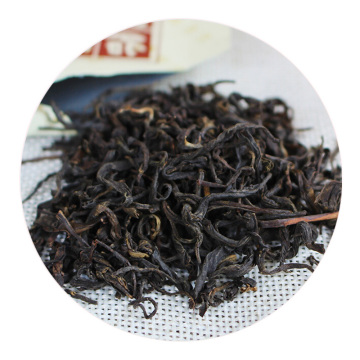
Xiangjian Tea
Xiangjian is the Anhua dark-tea group that includes Tianjian, Gongjian and Shengjian.
Read the English guide →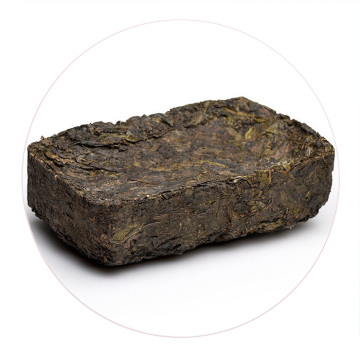
Ya’an Tibetan Tea
Ya’an Tibetan Tea is associated with production in Sichuan and a southern-route tea tradition.
Read the English guide →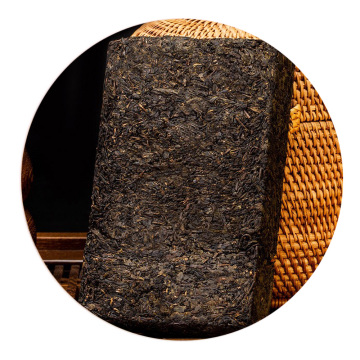
Cordyceps Militaris Fu Tea
This entry concerns a Fu-tea blend described as containing Cordyceps militaris.
Read the English guide →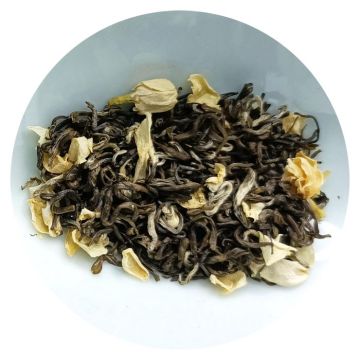
Bitan Piaoxue
Bitan Piaoxue is a jasmine-tea name associated with Sichuan and a branded product range.
Read the English guide →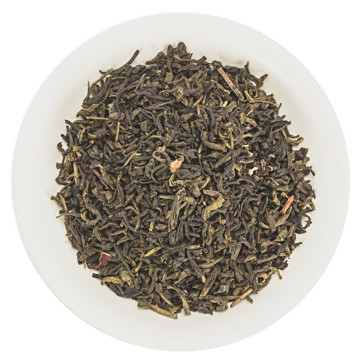
Houwang Jasmine Tea
Houwang, often translated as Monkey King, is a jasmine-tea brand rather than a tea-tree cultivar.
Read the English guide →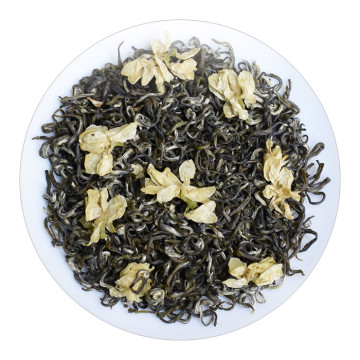
Hua Maofeng
Hua Maofeng is used for jasmine tea with a Maofeng-style base.
Read the English guide →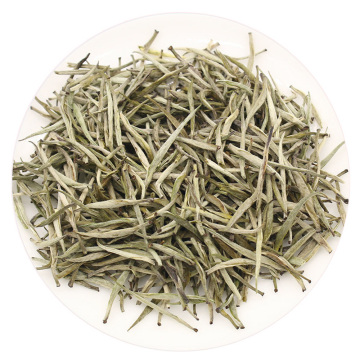
Taxue Lanfei
Taxue Lanfei is a branded tea name in the inherited entry.
Read the English guide →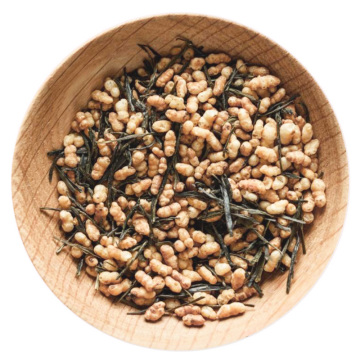
Genmaicha
Genmaicha combines green tea and roasted rice.
Read the English guide →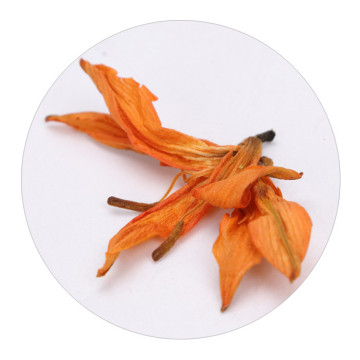
Lily Flower Tea
Baihe Huacha is a lily-flower entry whose old text mixes flower imagery with information about edible lily bulbs.
Read the English guide →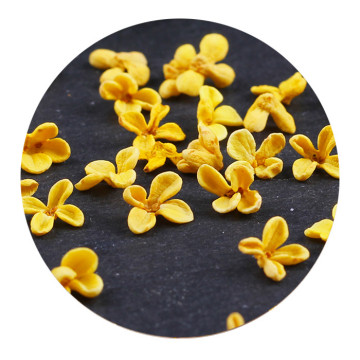
Osmanthus Tea
Osmanthus tea can mean flowers infused alone or tea leaves scented with osmanthus.
Read the English guide →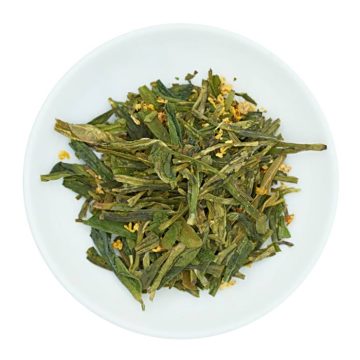
Osmanthus Longjing
Osmanthus Longjing combines a Longjing green-tea base with osmanthus fragrance.
Read the English guide →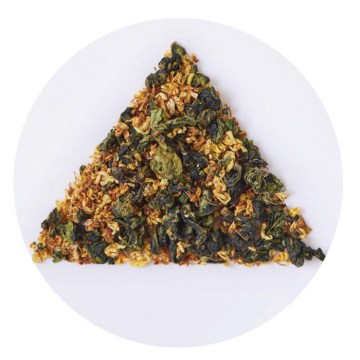
Osmanthus Oolong
Osmanthus Oolong is oolong tea scented with osmanthus.
Read the English guide →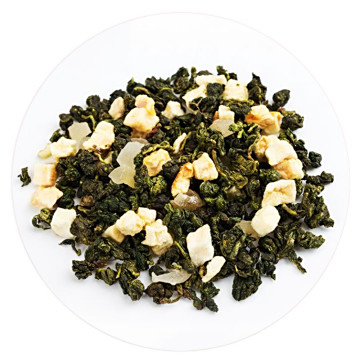
Peach Oolong
Peach Oolong combines oolong with peach flavour, fruit or other declared ingredients.
Read the English guide →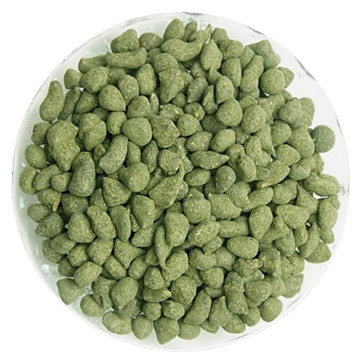
Ginseng Oolong
Ginseng Oolong, also sold as Lan Gui Ren, is a tea-based blend whose added ingredients need checking.
Read the English guide →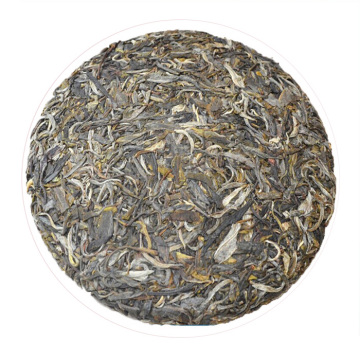
Sheng Pu-erh
Sheng Pu-erh is the raw style of Pu-erh, made from a sun-dried Yunnan tea base without the accelerated pile fermentation commonly used for modern shou.
Read the English guide →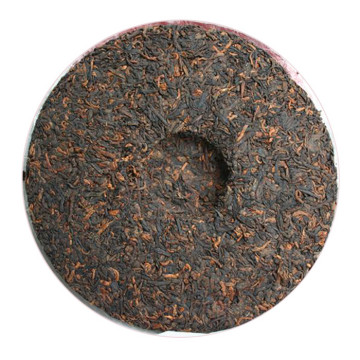
Shou Pu-erh
Shou Pu-erh is the ripe style, commonly made through controlled pile fermentation of a sun-dried Yunnan tea base.
Read the English guide →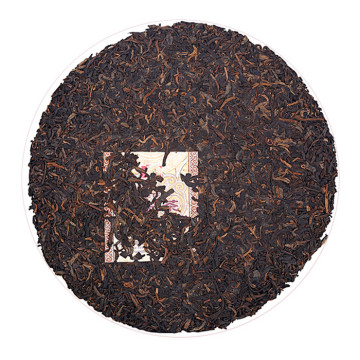
Qizi Bingcha
Qizi Bingcha refers to the familiar round Pu-erh cake and seven-cake packing tradition.
Read the English guide →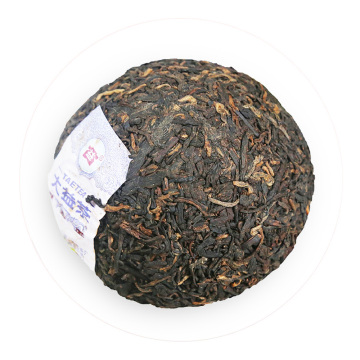
Pu-erh Tuocha
Pu-erh Tuocha is Pu-erh pressed into a bowl- or nest-like shape.
Read the English guide →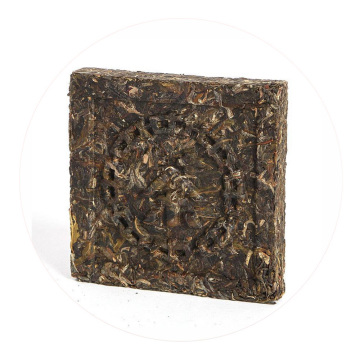
Pu-erh Brick Tea
Pu-erh Brick Tea names a compressed form.
Read the English guide →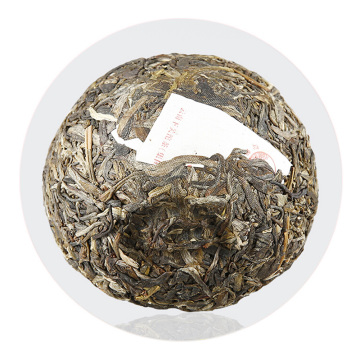
Xiaguan Tuocha
Xiaguan Tuocha is associated with Xiaguan in Dali and a named tea producer.
Read the English guide →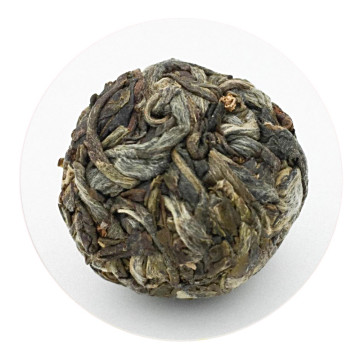
Pu-erh Dragon Balls
Pu-erh Dragon Balls are ball-shaped Pu-erh products.
Read the English guide →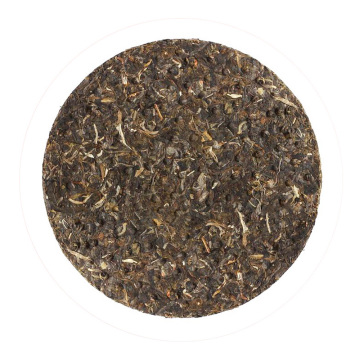
Pu-erh Iron Cake
An iron cake is a very tightly pressed Pu-erh cake.
Read the English guide →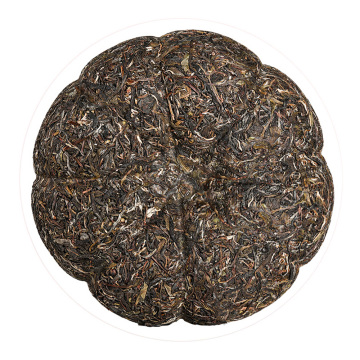
Jingua Tribute Tea
Jingua Tribute Tea is a name associated with melon-shaped compressed Pu-erh and a tribute-tea tradition.
Read the English guide →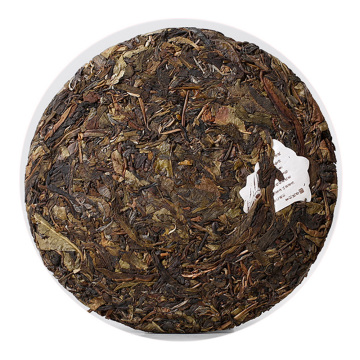
Huangpian Pu-erh
Huangpian, also marketed as Golden Leaves, refers to larger, coarser leaves selected during Pu-erh sorting.
Read the English guide →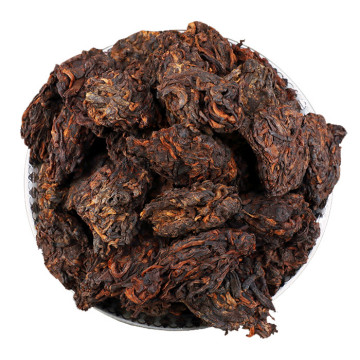
Lao Chatou
Lao Chatou are cohesive tea nuggets associated with shou Pu-erh fermentation.
Read the English guide →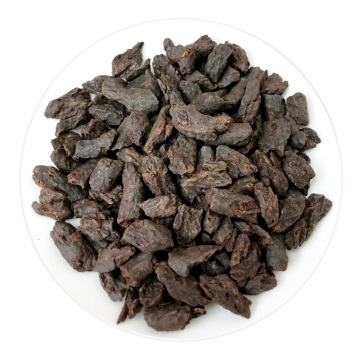
Sui Yinzi
Sui Yinzi, often called tea fossils, is a name used for small dense tea products associated with ripe Pu-erh.
Read the English guide →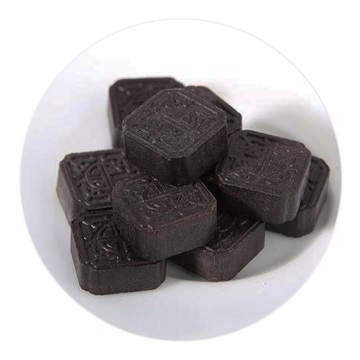
Pu-erh Tea Resin (Cha Gao)
Cha Gao is a solid tea extract that dissolves in water.
Read the English guide →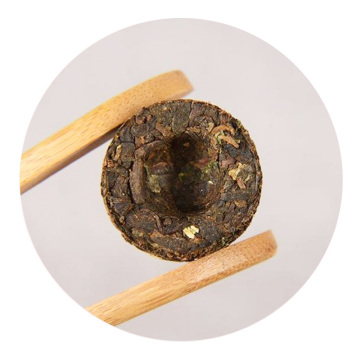
Mini Pu-erh Tuocha
Xiao Jin Tuo is a small bowl-shaped Pu-erh format.
Read the English guide →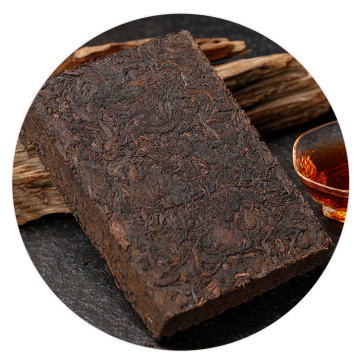
Zijin Pu-erh Brick
The inherited Zijin Brick entry describes a ripe Pu-erh brick made with purple-bud material.
Read the English guide →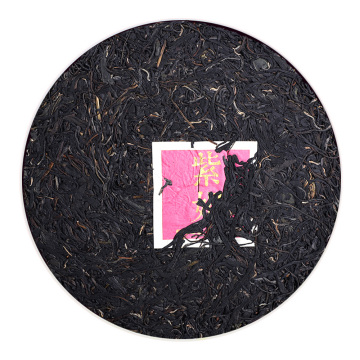
Zijuan Tea
Zijuan is a named purple-shoot tea cultivar, not a synonym for ripe Pu-erh.
Read the English guide →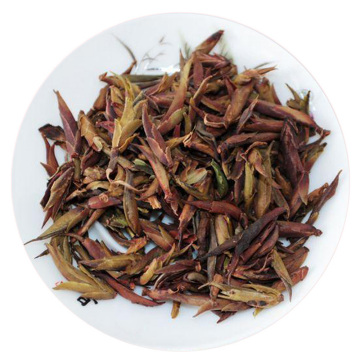
Purple Yabao
Purple Yabao is a trade description for bud-like material, not sufficient botanical identification.
Read the English guide →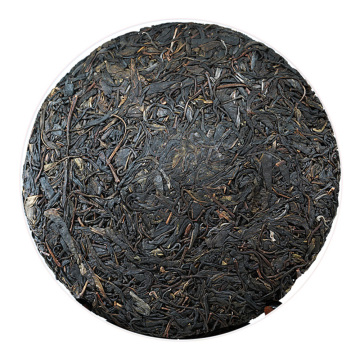
Ziya Tea (Purple Bud Tea)
Ziya means purple bud and describes purple-shoot tea material rather than one universal cultivar or finished process.
Read the English guide →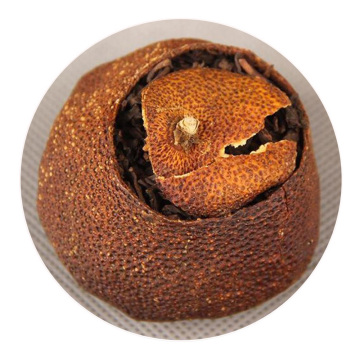
Da Hong Gan: Ripe-Citrus Pu-erh
Da Hong Gan combines a mature citrus peel shell with Pu-erh tea, commonly a ripe-tea filling.
Read the English guide →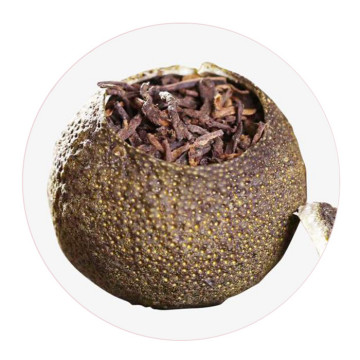
Xiao Qing Gan: Green-Citrus Pu-erh
Xiao Qing Gan is tea prepared inside a small immature citrus shell.
Read the English guide →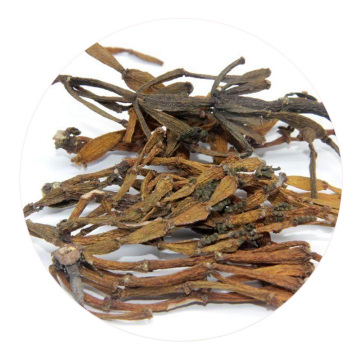
Pang Xie Jiao: Mistletoe Material
Pang Xie Jiao, literally crab’s feet, refers here to a parasitic plant material associated with tea trees, not an animal ingredient or ordinary Pu-erh leaves.
Read the English guide →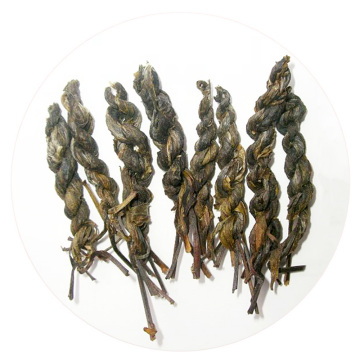
Braided Pu-erh (Bian Zi Cha)
Bian Zi Cha is tea made into a braid-like form.
Read the English guide →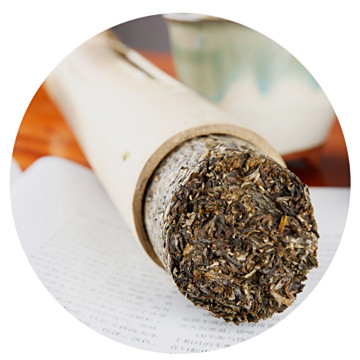
Bamboo-Tube Tea (Zhu Tong Cha)
Bamboo-tube tea combines tea material with a bamboo heating and shaping process.
Read the English guide →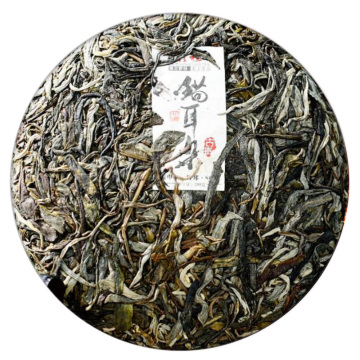
Cat-Ear Pu-erh (Mao Er Duo)
Cat-Ear is a trade name associated with small, rounded Yibang tea leaves.
Read the English guide →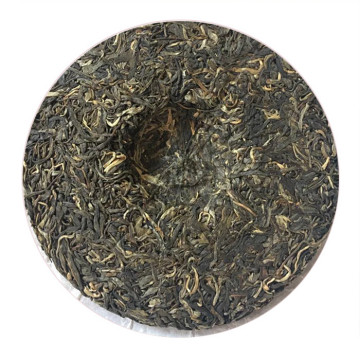
Laobanzhang Pu-erh
Laobanzhang is a village-origin name within the Bulangshan area, not a separate fermentation category.
Read the English guide →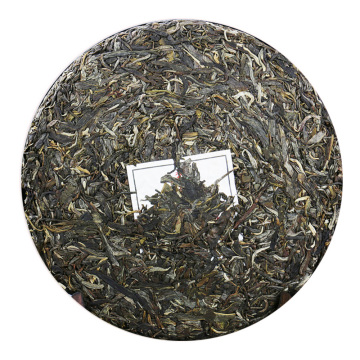
Bulangshan Pu-erh
Bulangshan is a broad tea-growing area in Menghai, not a single village, product or ripe-tea process.
Read the English guide →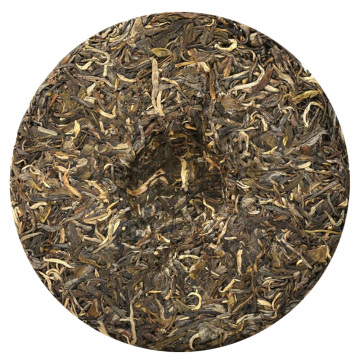
Laoman’e Pu-erh
Laoman’e is a village-origin name associated with notably bitter tea and also products sold as sweet tea.
Read the English guide →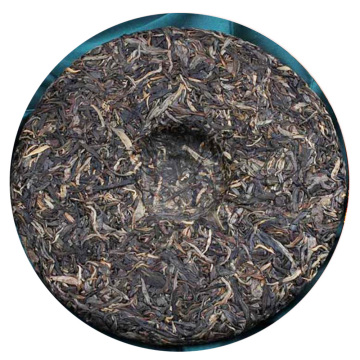
Bakalong Pu-erh
Bakalong is one of the village names used in the Banzhang Five Villages group.
Read the English guide →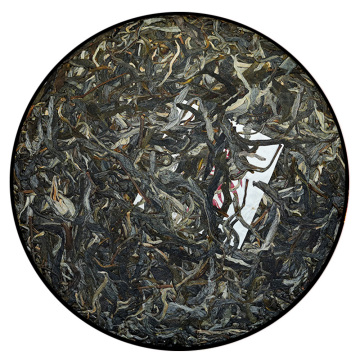
Bakanan Pu-erh
Bakanan is a distinct village name in the Banzhang Five Villages group.
Read the English guide →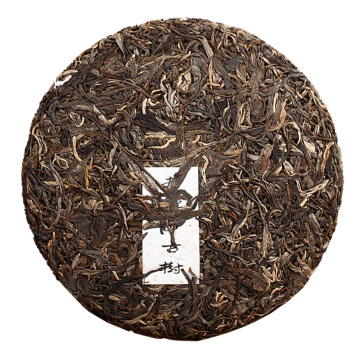
Nannuoshan Pu-erh
Nannuoshan is a tea-growing area, with different village lots and raw-style products.
Read the English guide →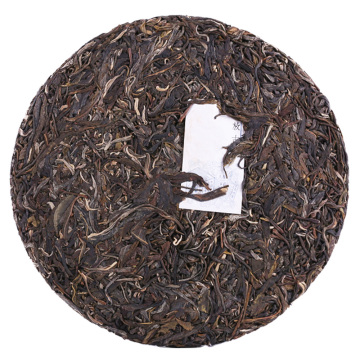
Yiwu Pu-erh
Yiwu is a broad growing-area name associated with many villages and different finished teas.
Read the English guide →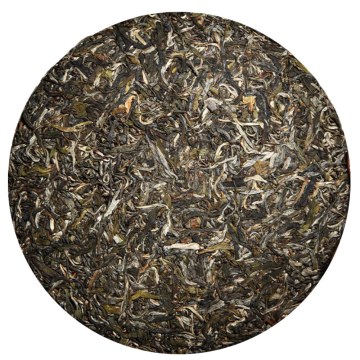
Yibang Pu-erh
Yibang is a growing-area name often discussed for smaller-leaf tea and the Cat-Ear trade name.
Read the English guide →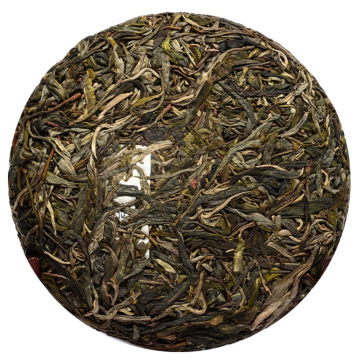
Manzhuan Pu-erh
Manzhuan is an origin name in the historical six-tea-mountains discussion.
Read the English guide →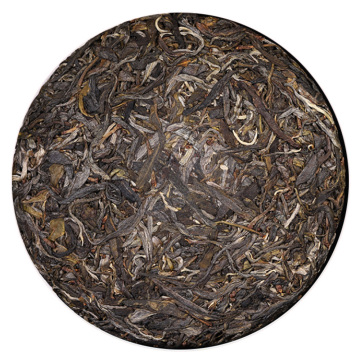
Mansong Pu-erh
Mansong is a source-associated name with a tribute-tea reputation.
Read the English guide →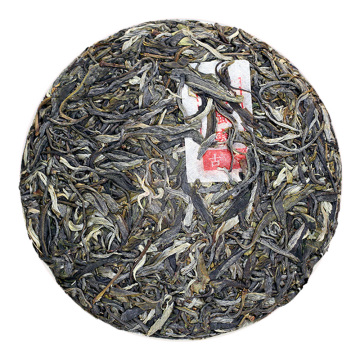
Guafengzhai Pu-erh
Guafengzhai is a more specific Yiwu-area origin name.
Read the English guide →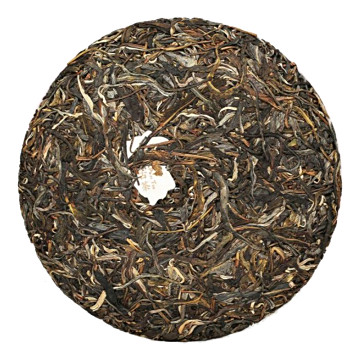
Mahei Pu-erh
Mahei is a Yiwu-area origin associated with a fragrant, soft yet substantial cup.
Read the English guide →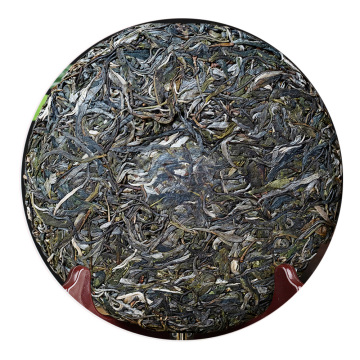
Bingdao Pu-erh
Bingdao is a Yunnan tea-origin name.
Read the English guide →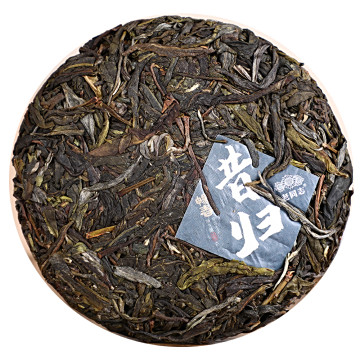
Xigui Pu-erh
Xigui is a Bangdong-area tea-origin name, separate from Bingdao and from raw/ripe processing.
Read the English guide →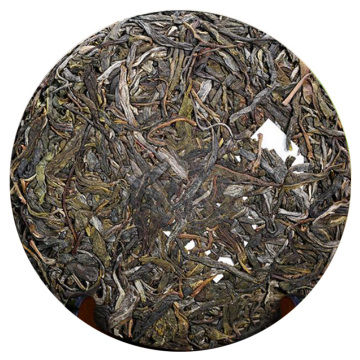
Xiaohusai Pu-erh
Xiaohusai is a Mengku-area origin associated with floral/honey fragrance and sweet return.
Read the English guide →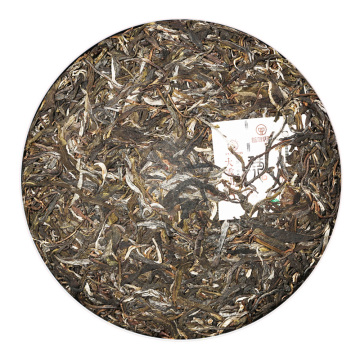
Mengku Daxueshan Pu-erh
This entry concerns Mengku Daxueshan in Shuangjiang.
Read the English guide →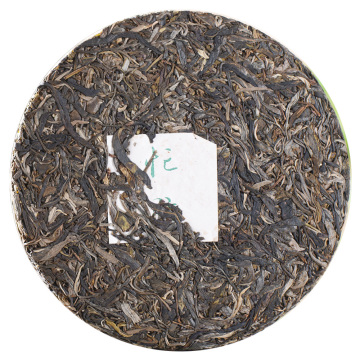
Mangfei Pu-erh
Mangfei is a Yongde-area tea-origin name associated with a full aromatic cup.
Read the English guide →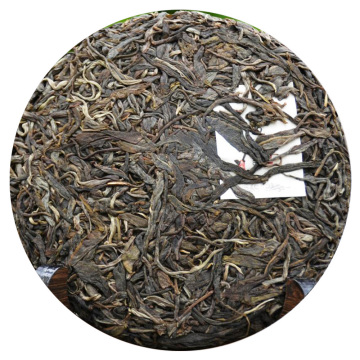
Bangwai Pu-erh
Bangwai is an origin in Lancang, known for an old tea tree discussed in domestication research.
Read the English guide →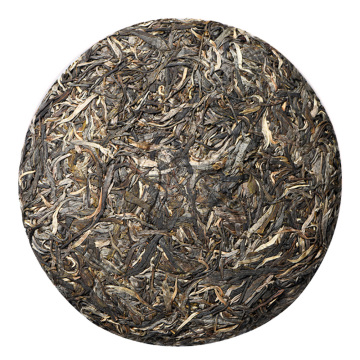
Bohetang Pu-erh
Bohetang is a place-associated Pu-erh name, not an instruction to add mint.
Read the English guide →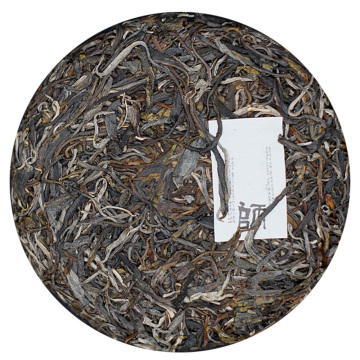
Mojiang Fenghuangwo Pu-erh
This article covers the Mojiang Fenghuangwo described by the original entry.
Read the English guide →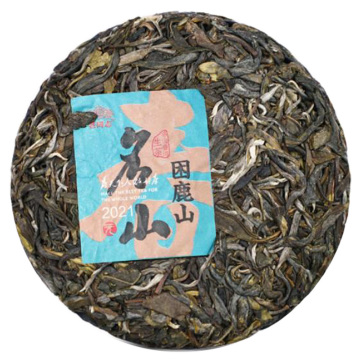
Kunlushan Pu-erh
Kunlushan is a Ning’er tea-origin name.
Read the English guide →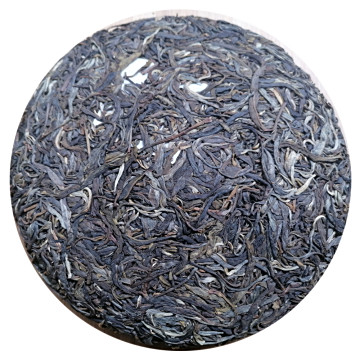
Luoshuidong Pu-erh
Luoshuidong is a village-origin name within the Yiwu tea area.
Read the English guide →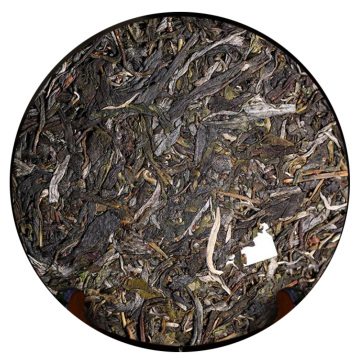
Mangshejing Pu-erh
Mangshejing is a tea-origin name associated with the Yaoqu area.
Read the English guide →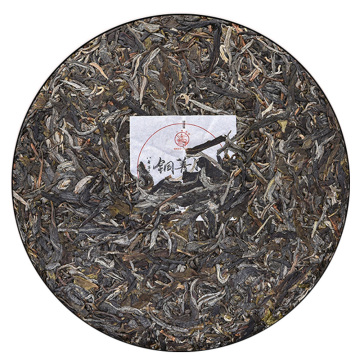
Tongjinghe Pu-erh
Tongjinghe is an origin name also written Tongqinghe.
Read the English guide →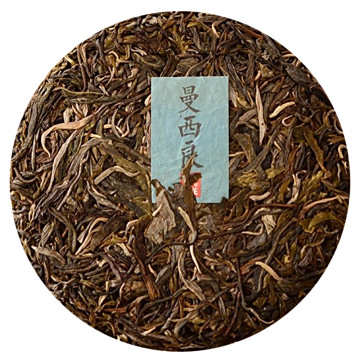
Manxiliang Pu-erh
Manxiliang is an origin associated with the Mengsong tea area.
Read the English guide →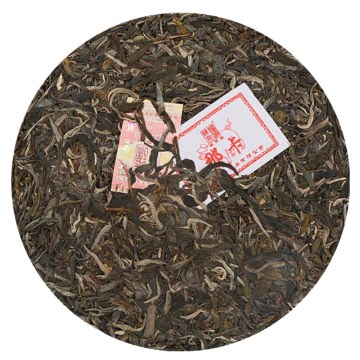
Naka Pu-erh
Naka is a Mengsong-area origin name associated with fragrant tea.
Read the English guide →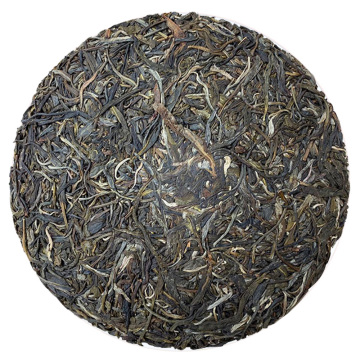
Pasha Pu-erh
Pasha is a Menghai origin associated with a sweet substantial cup.
Read the English guide →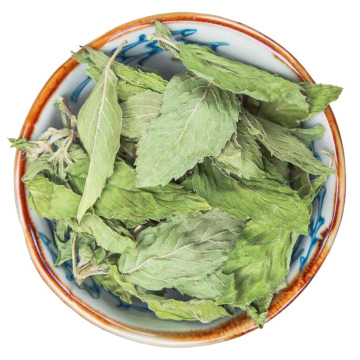
Mint Leaf Tea
Mint-leaf infusion and green tea with mint are different drinks.
Read the English guide →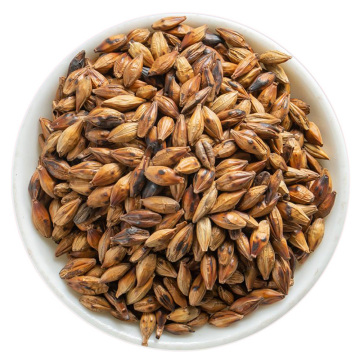
Roasted Barley Tea
Barley tea is a roasted-grain infusion, distinct from Camellia sinensis tea.
Read the English guide →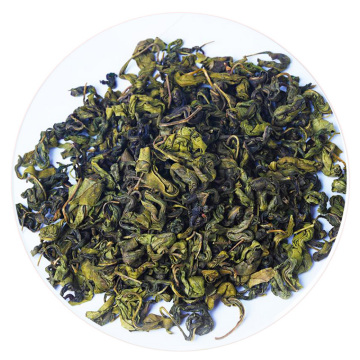
Dingxiang Leaf Tea
Dingxiang is an ambiguous Chinese plant name.
Read the English guide →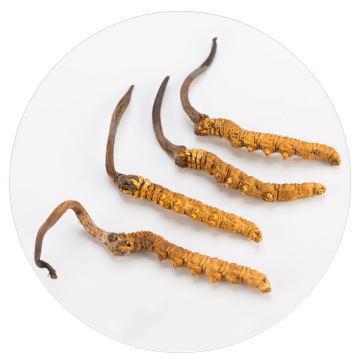
Cordyceps Tea
Dongchongxiacao concerns a caterpillar–fungus complex, not ordinary tea leaves.
Read the English guide →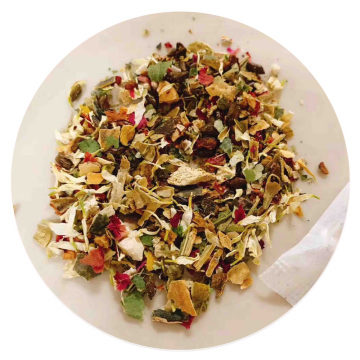
Winter Melon and Lotus Leaf Tea
This is a product-blend name, not one fixed three-ingredient recipe.
Read the English guide →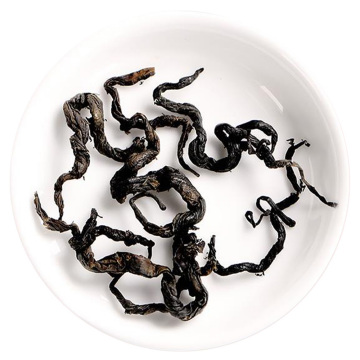
Eucommia Leaf Tea
Duzhong leaf tea uses leaves of Eucommia ulmoides, distinct from bark, seed oil or male flowers.
Read the English guide →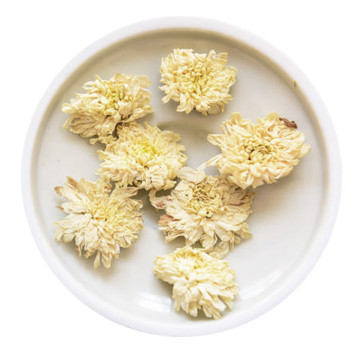
Huangshan Gongju
Gongju is a white chrysanthemum flower product associated with Huangshan/Shexian.
Read the English guide →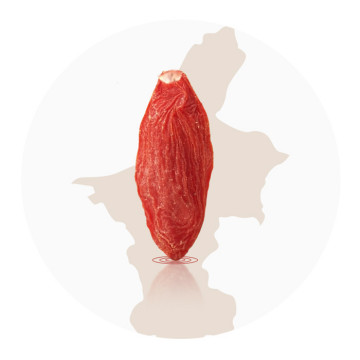
Goji Berry Infusion
Goji infusion uses berries rather than tea leaves.
Read the English guide →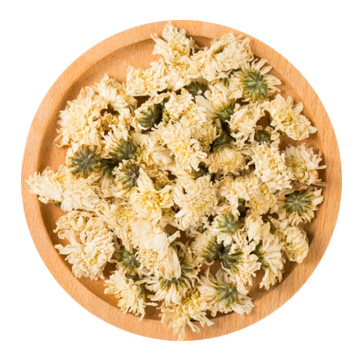
Hangbaiju
Hangbaiju is a white chrysanthemum product strongly associated with Tongxiang.
Read the English guide →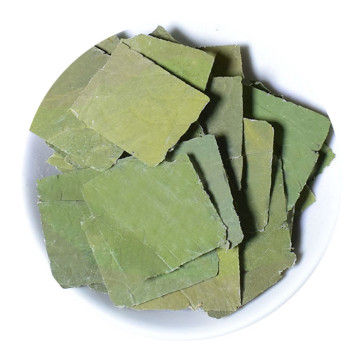
Lotus Leaf Tea
Lotus-leaf infusion uses an identified leaf product, distinct from lotus seeds, embryos or a multi-ingredient wintermelon blend.
Read the English guide →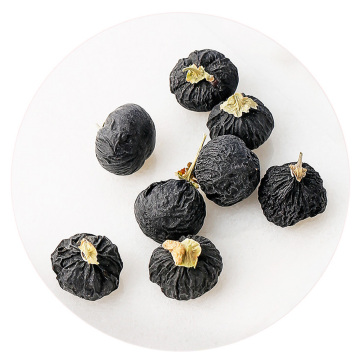
Black Goji Infusion
Black goji concerns Lycium ruthenicum fruit, distinct from red-goji products.
Read the English guide →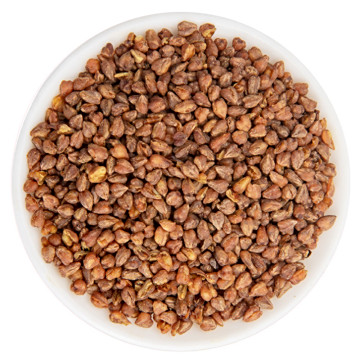
Black Tartary Buckwheat Tea
Black tartary buckwheat tea is a processed buckwheat infusion, separate from Camellia sinensis tea and from ordinary barley tea.
Read the English guide →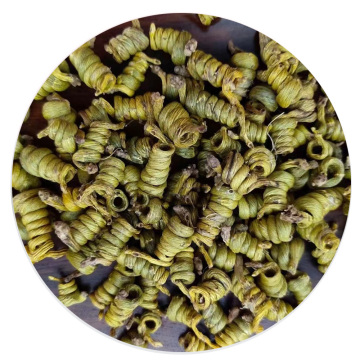
Huoshan Dendrobium
Huoshan dendrobium can refer to a regional trade grouping or to named botanical material.
Read the English guide →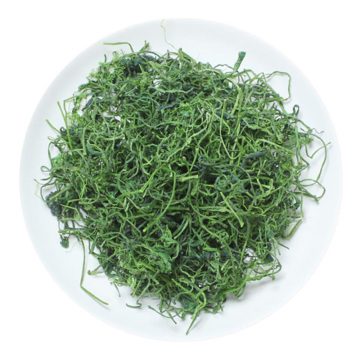
Jiaogulan Tea
Jiaogulan is a separate botanical drink, not Panax ginseng or Camellia sinensis tea.
Read the English guide →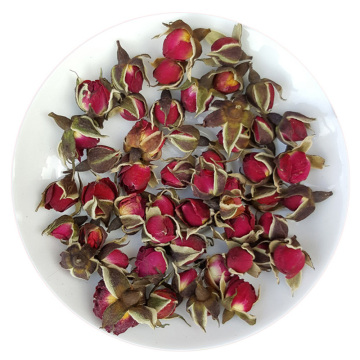
Jinbian Rose Tea
Jinbian is a rose trade/cultivar name used for dried flower products.
Read the English guide →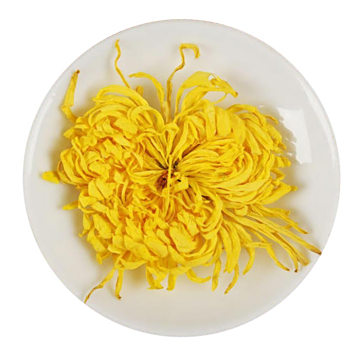
Jinsi Huangju
Jinsi Huangju is a large golden-flowered chrysanthemum product.
Read the English guide →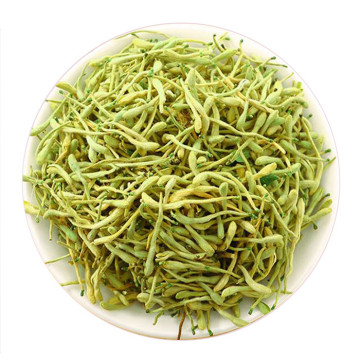
Honeysuckle Flower Tea
Jinyinhua products concern identified flower material, not every ornamental honeysuckle plant or its berries.
Read the English guide →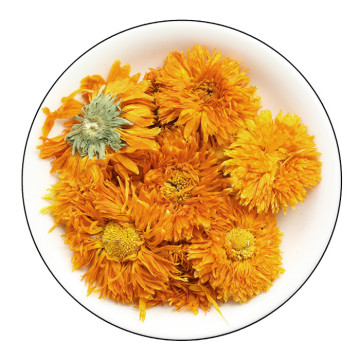
Calendula Flower Tea
Calendula officinalis is the named flower in the old article.
Read the English guide →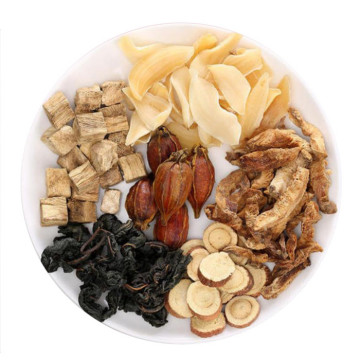
Chicory and Gardenia Blend
This entry describes a chicory-and-gardenia herbal blend, not plain roasted chicory root coffee.
Read the English guide →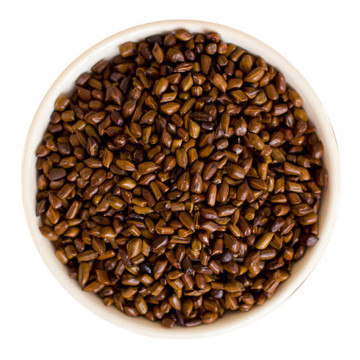
Cassia Seed Tea
Juemingzi is a seed product, not cinnamon cassia bark or any unidentified senna plant.
Read the English guide →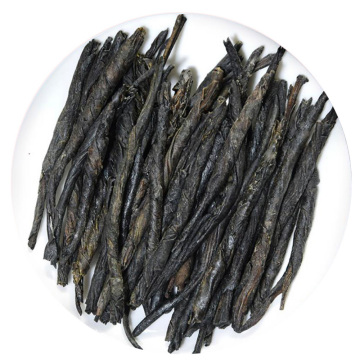
Large-leaf Kuding Tea
This entry concerns large-leaf holly-type kuding, distinct from small-leaf products sold under the same bitter-tea name.
Read the English guide →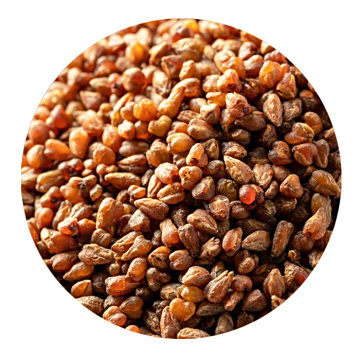
Tartary Buckwheat Tea
Tartary buckwheat tea is a processed-grain drink, not rice tea or Camellia sinensis tea.
Read the English guide →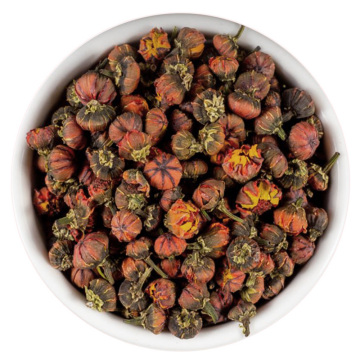
Kunlun Snow Chrysanthemum
Kunlun snow chrysanthemum is a trade name associated with Coreopsis tinctoria.
Read the English guide →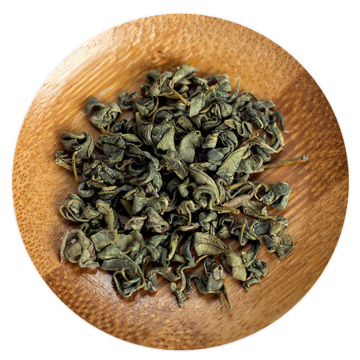
Luobuma Leaf Tea
Luobuma is a leaf product associated with Apocynum venetum.
Read the English guide →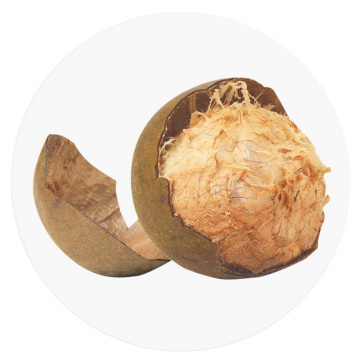
Monk Fruit Tea
Monk fruit tea uses prepared dried fruit or a labelled blend.
Read the English guide →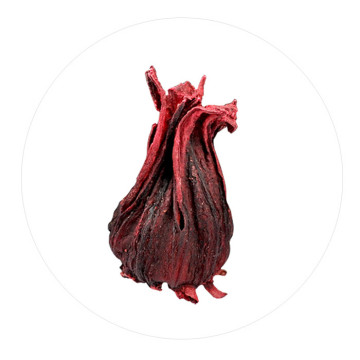
Roselle Hibiscus Tea
Roselle is Hibiscus sabdariffa, associated with a red tart infusion.
Read the English guide →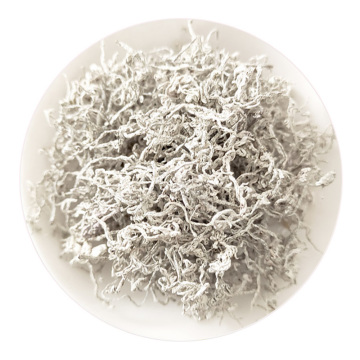
Meicha Vine Tea
Meicha is a vine-leaf infusion, despite the berry-like English translation of its Chinese name.
Read the English guide →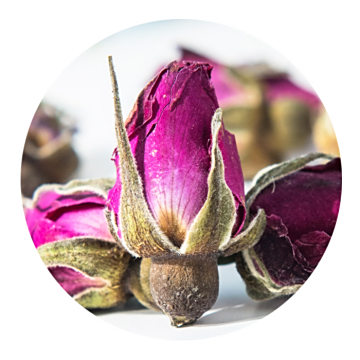
Rose Flower Tea
Rose flower tea can mean a flower-only infusion or black/green tea scented or blended with rose.
Read the English guide →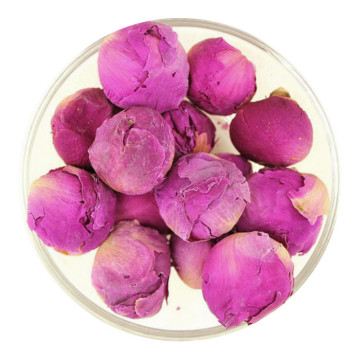
Peony Flower Tea
Peony flower tea needs a precise botanical and food-use identity.
Read the English guide →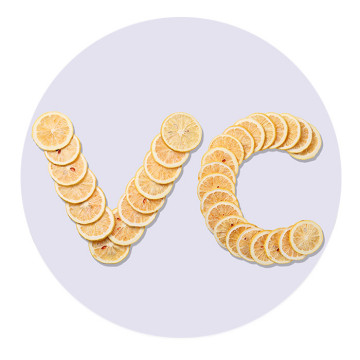
Lemon Tea
Lemon tea can be dried lemon slices in water, tea with lemon, or a sweetened lemon drink.
Read the English guide →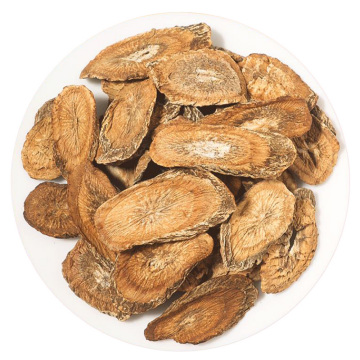
Burdock Root Tea
Burdock tea here means prepared root slices.
Read the English guide →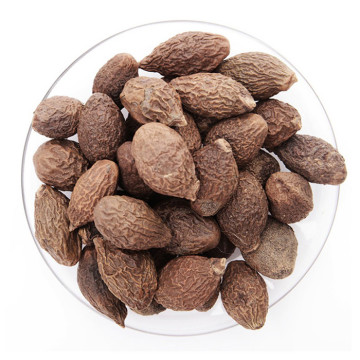
Pangdahai Seed Infusion
Pangdahai is a seed material used in Chinese medicine, known for swelling into a spongy mass in water.
Read the English guide →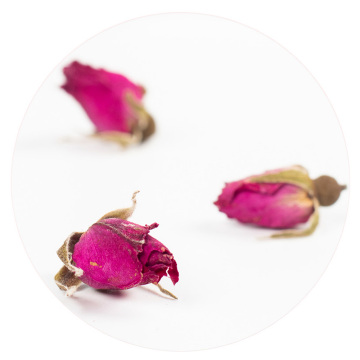
Pingyin Rose Tea
Pingyin rose is a specific origin-associated product, distinct from a generic rose flower or rose-scented tea.
Read the English guide →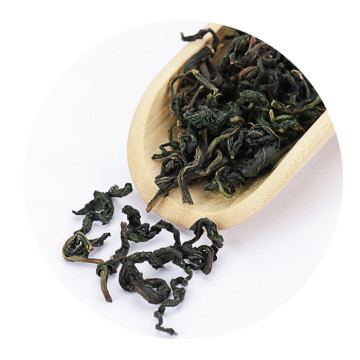
Dandelion Tea
Dandelion tea needs a plant-part check: leaf, root, roasted root and mixtures are different products.
Read the English guide →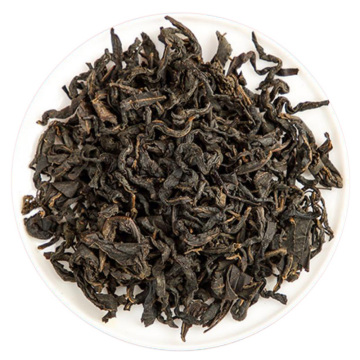
Qingqianliu Leaf Tea
Qingqianliu is a leaf-infusion product associated with Cyclocarya paliurus.
Read the English guide →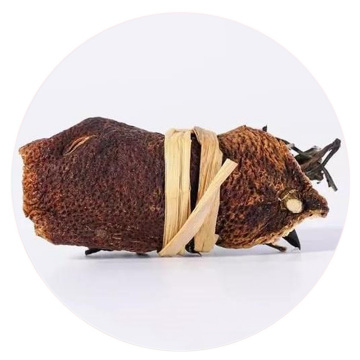
Sanbao Chenpi and White Tea
This Sanbao tea is a chenpi-and-white-tea bundle associated with a straw tie.
Read the English guide →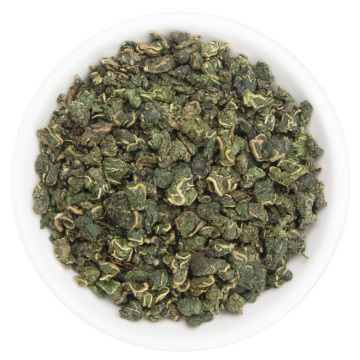
Mulberry Leaf Tea
Mulberry leaf tea is a prepared leaf infusion, distinct from mulberry fruit, a standardised leaf extract or a medicine.
Read the English guide →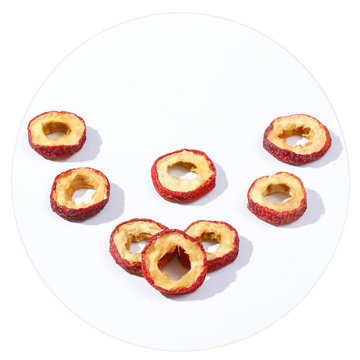
Hawthorn Fruit Tea
This hawthorn tea concerns dried fruit slices or a labelled fruit/tea blend.
Read the English guide →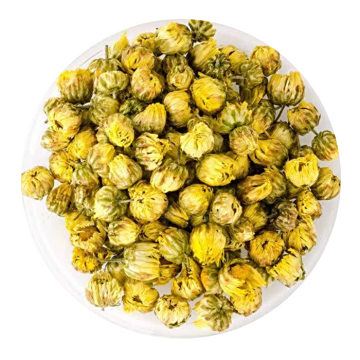
Taiju Chrysanthemum Buds
Taiju generally describes chrysanthemum flower material picked before fully opening.
Read the English guide →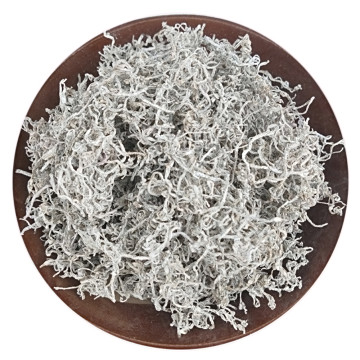
Laifeng Vine Tea
This vine tea entry concerns the Laifeng-associated product, related to the meicha leaf tradition.
Read the English guide →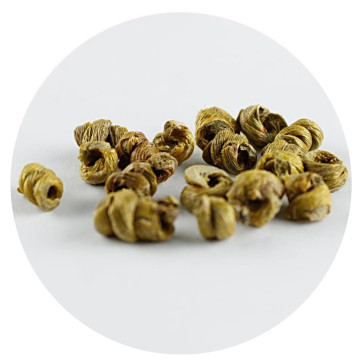
Tiepi Dendrobium Tea
Tiepi shihu generally refers here to Dendrobium officinale stem products, often coiled as fengdou.
Read the English guide →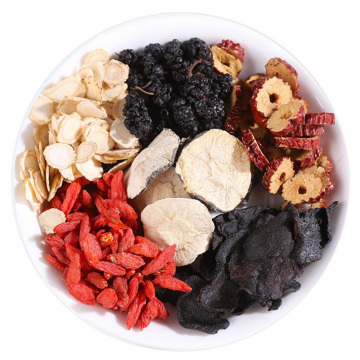
Wubao Herbal Blend
Wubao is a blend name, not a fixed five-ingredient formula.
Read the English guide →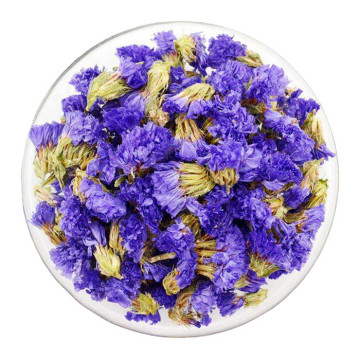
Wuwangwo Flower Infusion
Wuwangwo is an ambiguous flower name.
Read the English guide →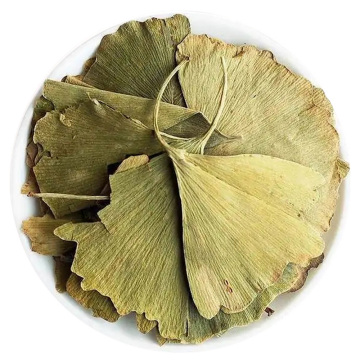
Ginkgo Leaf Tea
Ginkgo leaf tea is not interchangeable with a specifically processed leaf extract.
Read the English guide →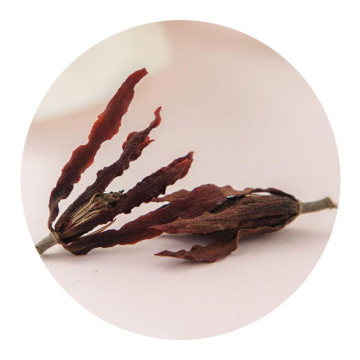
Yulan Magnolia Tea
Yulan tea can describe a magnolia-scented tea base, while this old page also pictures dried flowers alone.
Read the English guide →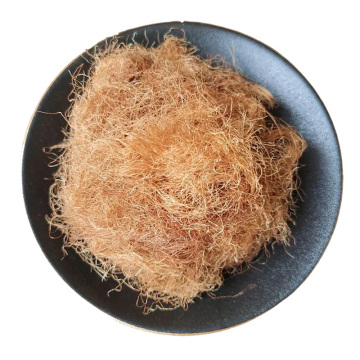
Corn Silk Tea
Corn silk tea uses prepared corn-silk material or a labelled blend, often bagged.
Read the English guide →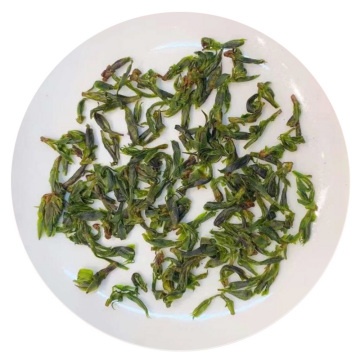
Yuqing Small-leaf Kuding
Yuqing small-leaf kuding is associated with Ligustrum robustum leaf material, distinct from large-leaf holly kuding.
Read the English guide →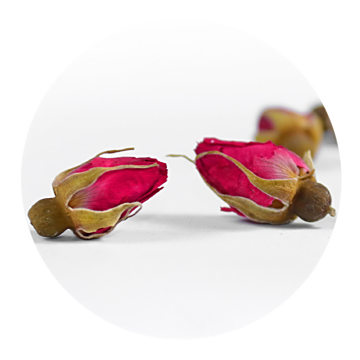
Chinese Rose Flower Tea
Yueji refers here to Chinese rose flower, associated with Rosa chinensis.
Read the English guide →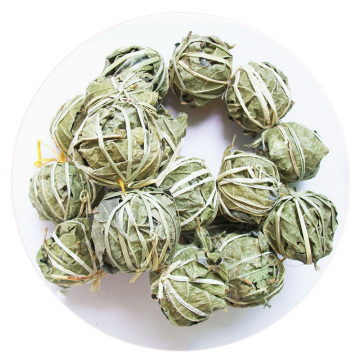
Zhegu Leaf Tea
Zhegu is a Hainan leaf infusion, often shaped or tied into bundles, rather than ordinary Camellia sinensis tea.
Read the English guide →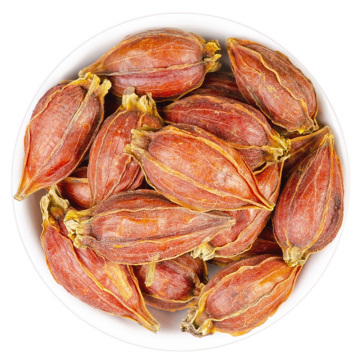
Gardenia Fruit Tea
This entry concerns prepared gardenia fruit, not jasmine-scented green tea or gardenia flowers.
Read the English guide →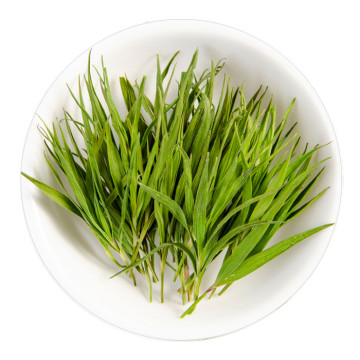
Bamboo Leaf Infusion
Bamboo leaf tea requires an exact plant check.
Read the English guide →Ready to make a cup?
Choose a method for your own teaware →