What does dark tea mean?
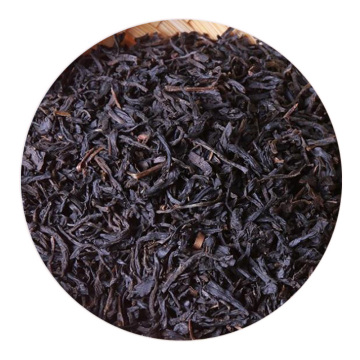
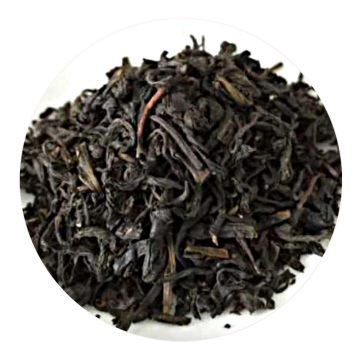
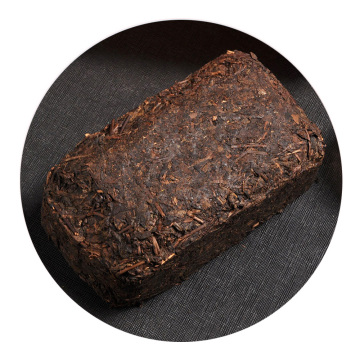
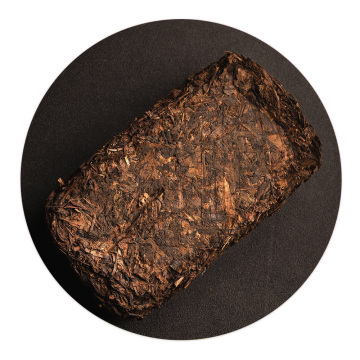
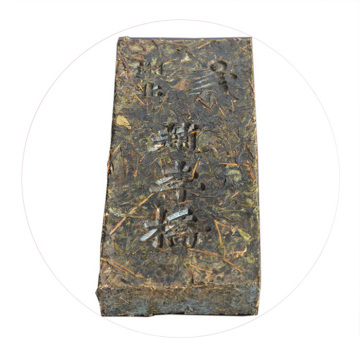
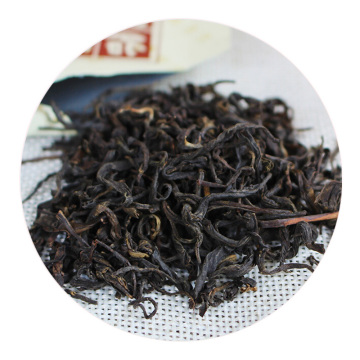
Dark tea is called heicha, written 黑茶. Its manufacture involves post-fermentation with microbial activity. That differs from the oxidation stage used to make black tea, which is hongcha in Chinese.
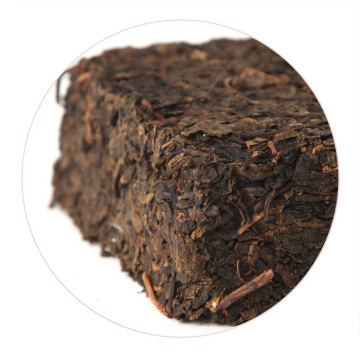
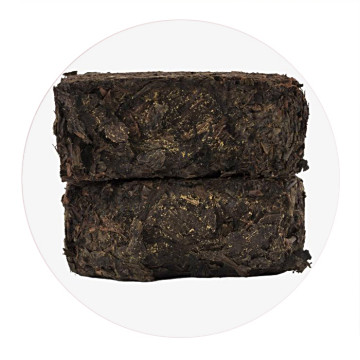
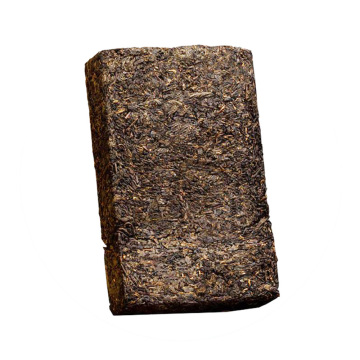
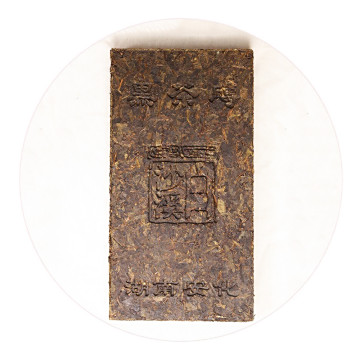
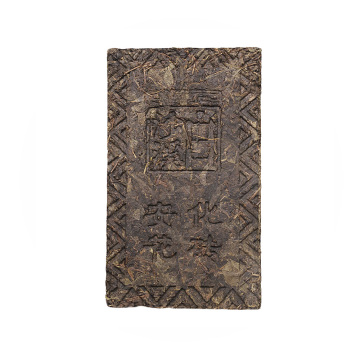
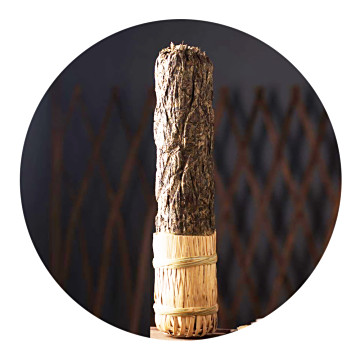
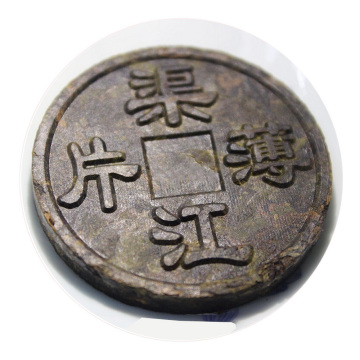
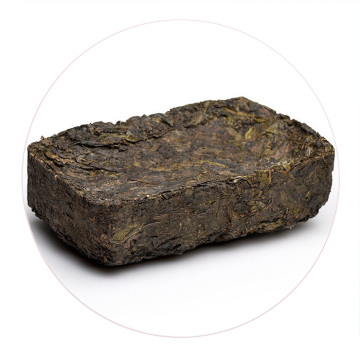
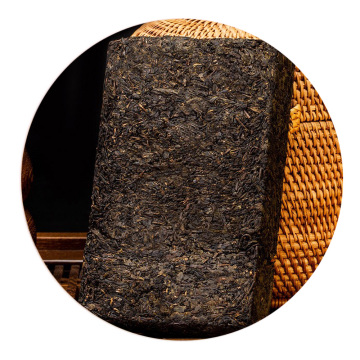
Examples within dark tea discussions include Liubao, Anhua dark tea and Fu tea. Processing details differ between products; the category is not one universal production schedule.
Read the packet
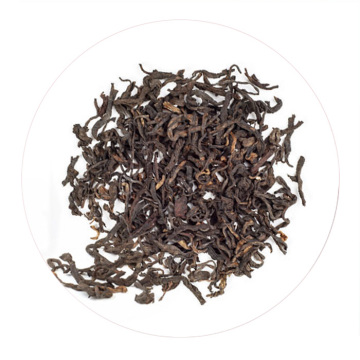
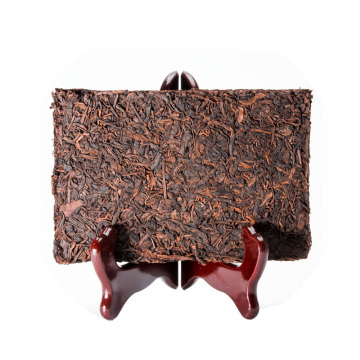
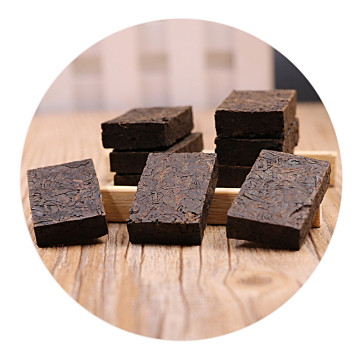
Look for the exact product name, place of production, loose or compressed form, and storage directions. Keep manufacturing information separate from a seller’s age or origin claim.
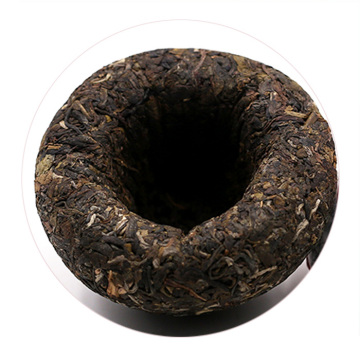
Pu-erh has its own browsing page here to explain the distinction between sheng (raw) and shou (ripe). Do not treat “dark tea,” “Pu-erh” and “ripe Pu-erh” as interchangeable names for every packet.
Before brewing or storing
Choose the named English guide below. Get a complete method for the named product and your vessel. This page does not prescribe one dose, mandatory rinse or steeping time for the whole family.
Follow the product’s storage instructions. A fermentation description is not an instruction to make a kitchen cupboard damp or to attempt fermentation at home. Ask the supplier about an unfamiliar packet rather than inventing conditions from the category name.
Common question
Is dark tea just another English name for black tea?
No. In this directory, dark tea means heicha and black tea means hongcha. Those are separate categories, even though a literal translation of the Chinese colour words can cause confusion.
About this overview
Overview checked 16 October 2026. This page explains category names and reading choices; it does not assess a particular packet or report a TeaPlain brewing test. Individual English guides below have their own editorial notes and preparation conditions.