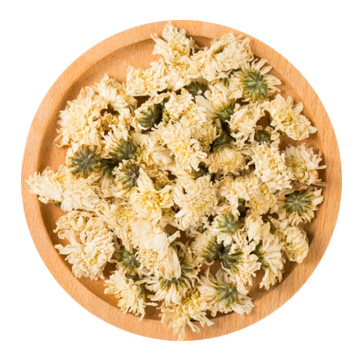
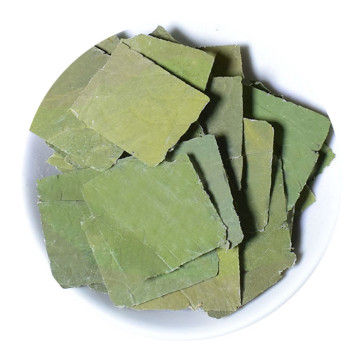
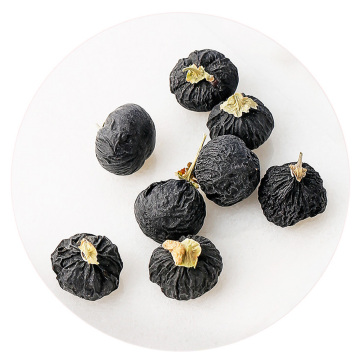
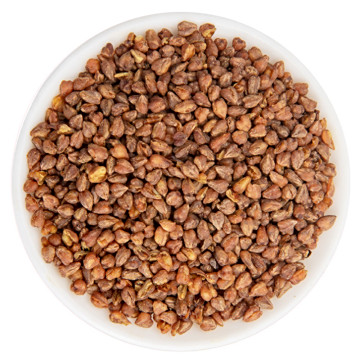
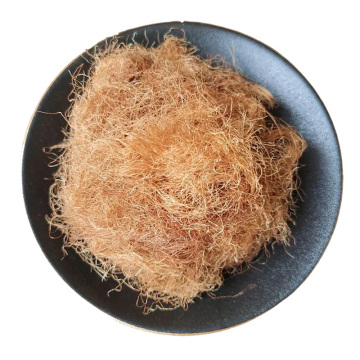
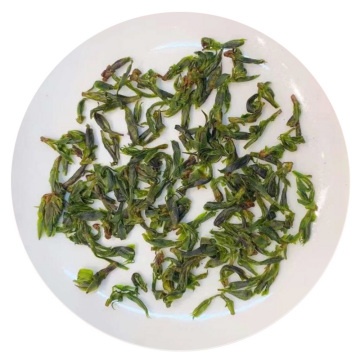
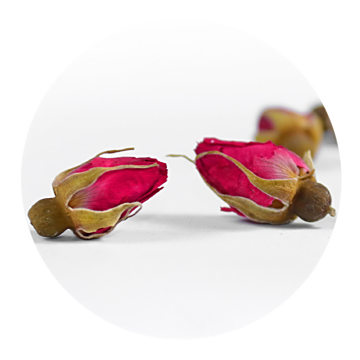
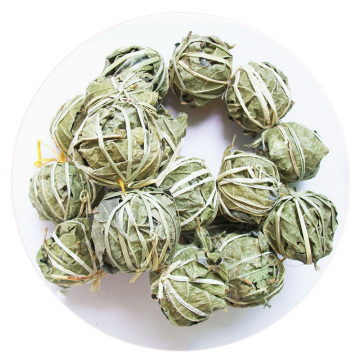
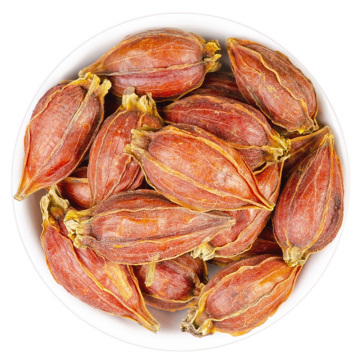
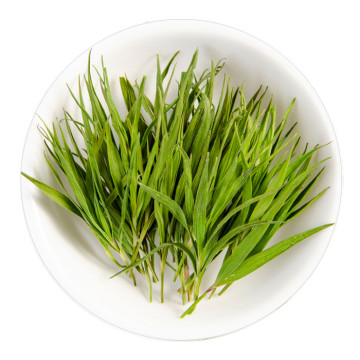
What is an herbal infusion?
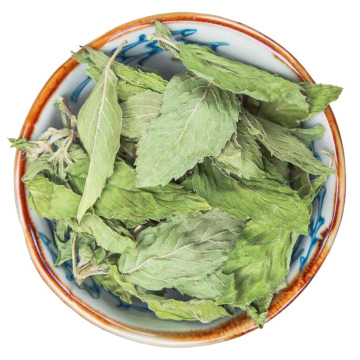
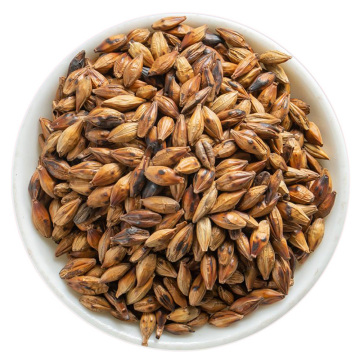
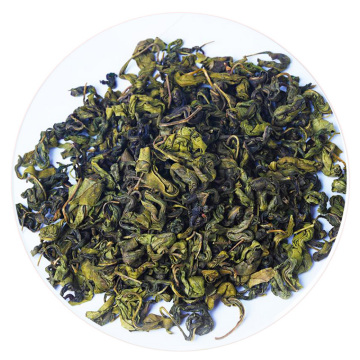
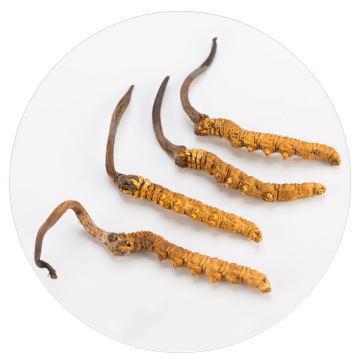
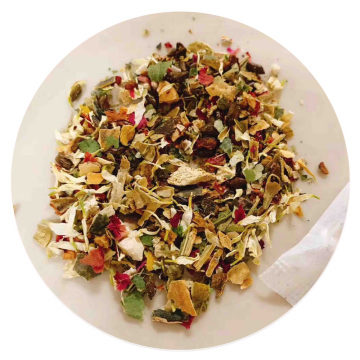
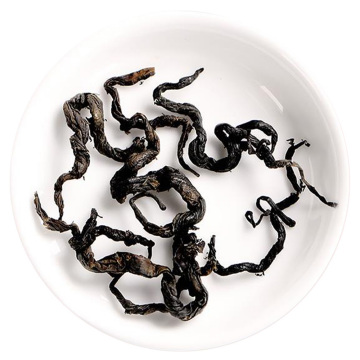
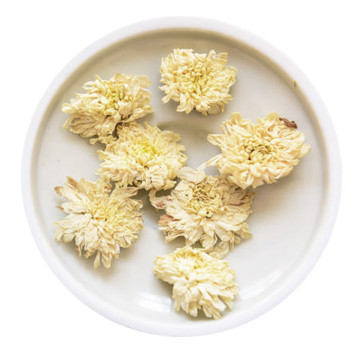
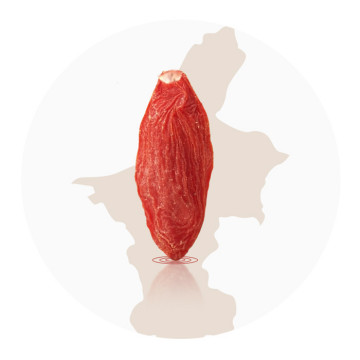
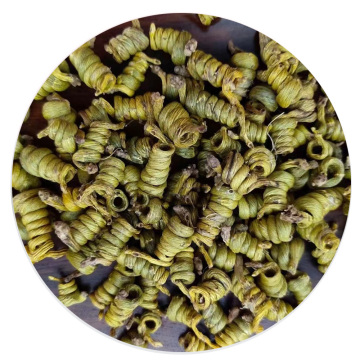
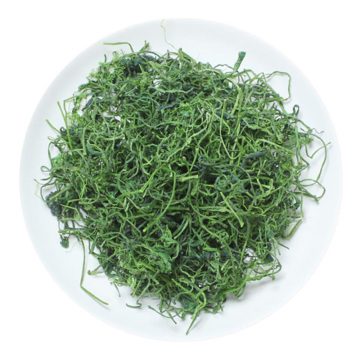
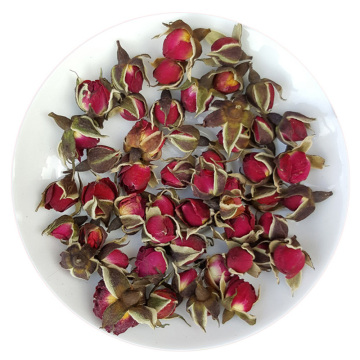
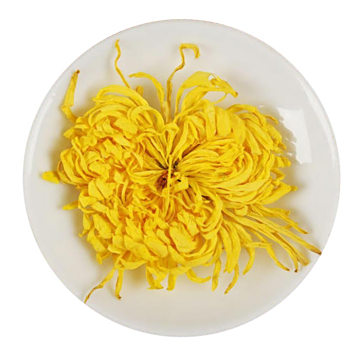
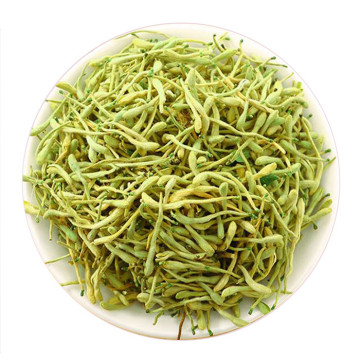
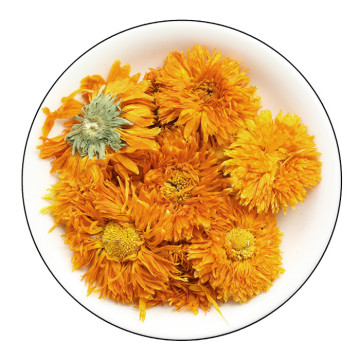
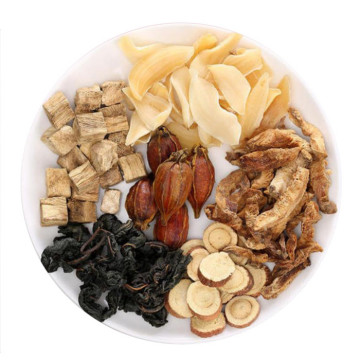
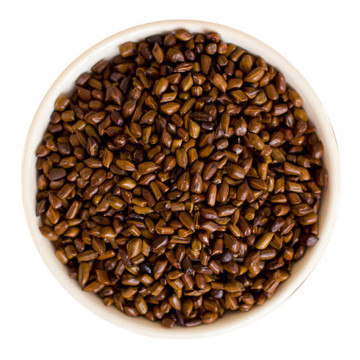
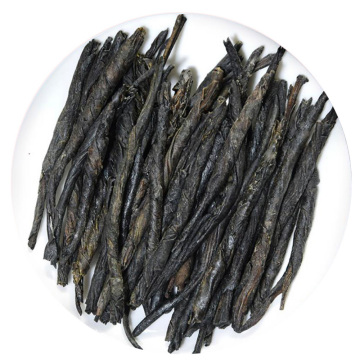
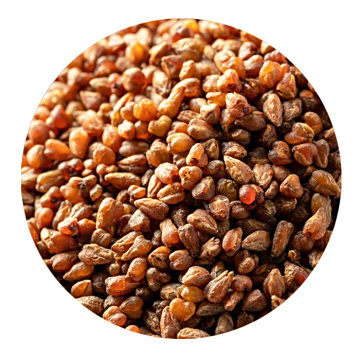
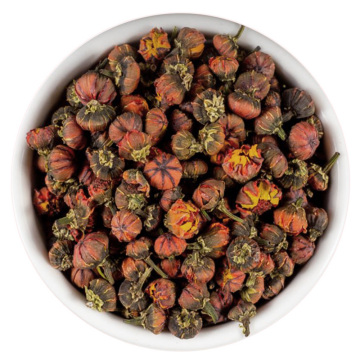
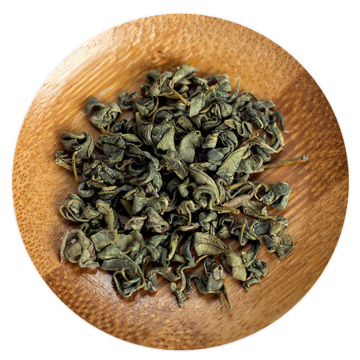
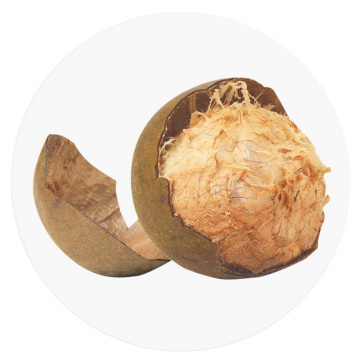
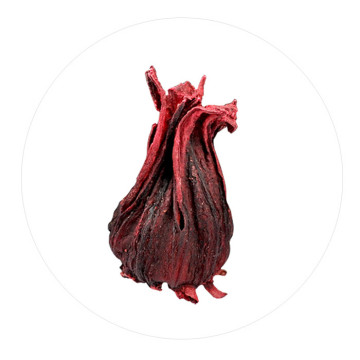
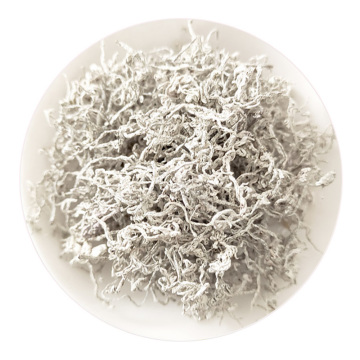
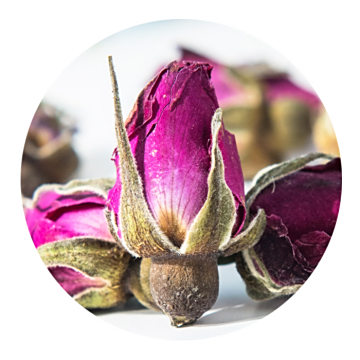
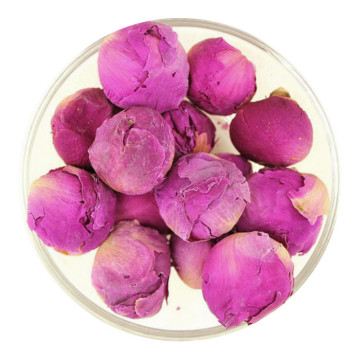
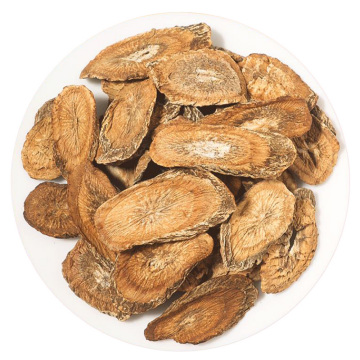
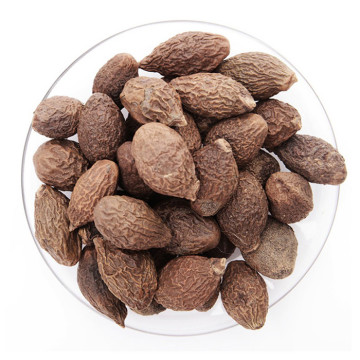
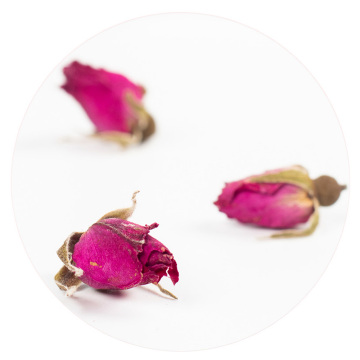
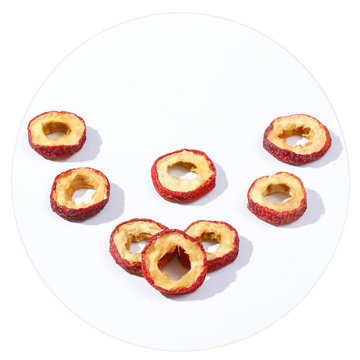
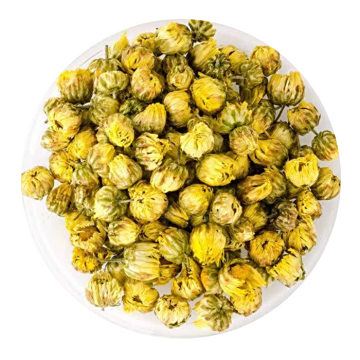
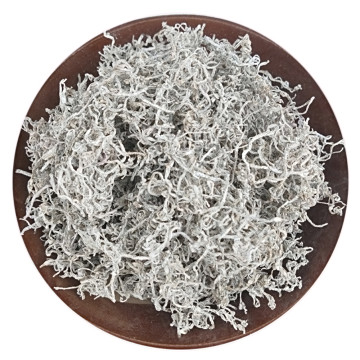
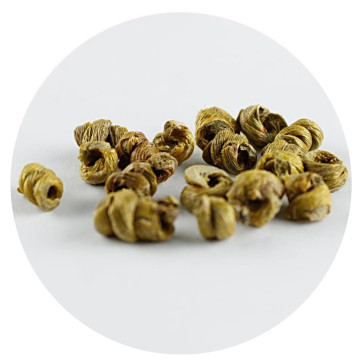
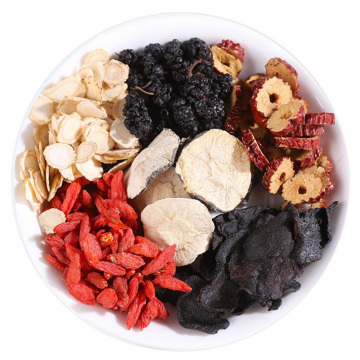
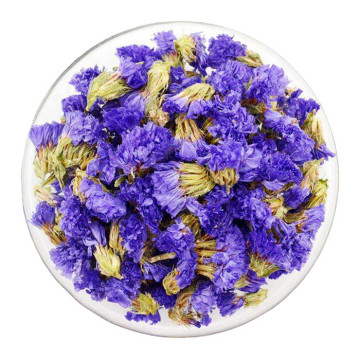
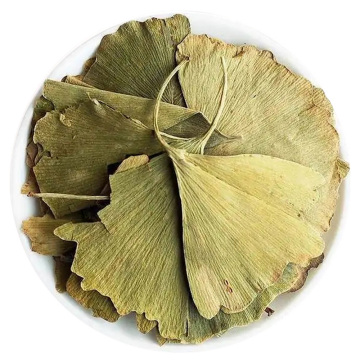
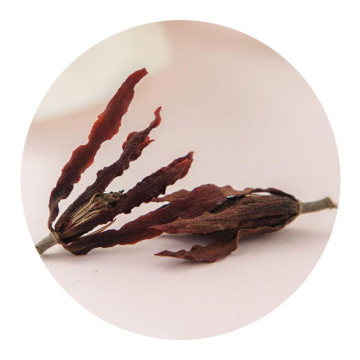
Herbal and fruit infusions use plants or plant parts other than Camellia sinensis, such as flowers, leaves, roots or fruit. They may be called tisanes. The older Chinese directory label is 代用茶, often translated literally as “substitute tea.”
This is a browsing group for different ingredients, not one of the six basic tea families and not a single recipe or health category.
Read the ingredients first
A blend may combine herbs or fruit with tea leaves. Do not assume a product is caffeine-free just because “herbal” or a flower name appears on the front. Check the full ingredients and product information, or ask the maker when it is unclear.
Jasmine tea is a useful comparison: tea scented with jasmine is not the same thing as an infusion made only from flowers.
Before preparing an unfamiliar blend
Use the individual English ingredient guides below to check the scope of a named product. Confirm that the product is intended as a food drink and use its preparation directions. A method written for Longjing, black tea or oolong is not automatically appropriate for a different ingredient blend.
If you cannot identify the contents, use the questions in the first-packet guide before drinking it. This page does not recommend herbs to treat symptoms or identify wild plants for consumption.
Common question
Does “herbal” guarantee that it suits everyone?
The label describes ingredients, not a personal suitability assessment. Read product warnings and, if you need advice about a particular ingredient alongside a medicine or condition, ask a qualified health professional about that product.
About this overview
Overview checked 16 October 2026. This page explains category names and reading choices; it does not assess a particular packet or report a TeaPlain brewing test. Individual English guides below have their own editorial notes and preparation conditions.