Skip to content

Related browsing group

Pu-erh tea

Distinguish raw and ripe Pu-erh before choosing preparation or storage directions.

By TeaPlain · Overview checked

Start with raw or ripe

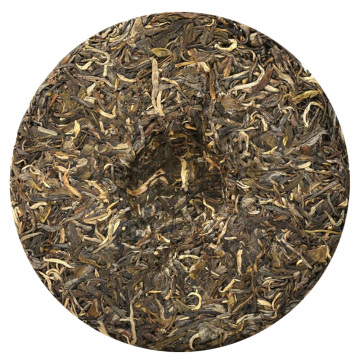
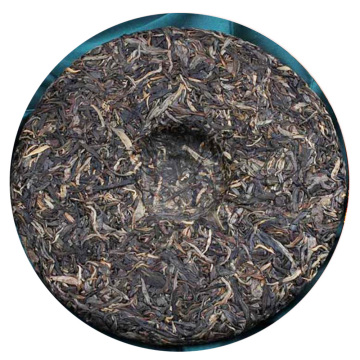
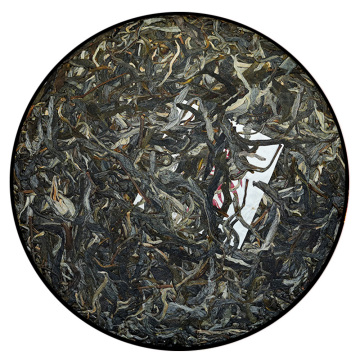
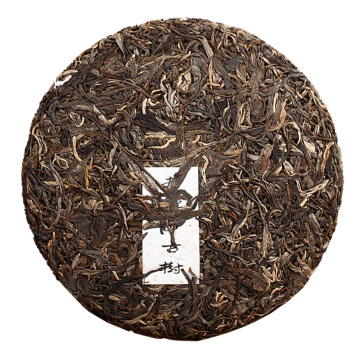
Pu-erh is associated with Yunnan and includes two important product descriptions: sheng (raw) and shou (ripe). Ripe Pu-erh undergoes an additional fermentation process. Raw Pu-erh is not simply ripe Pu-erh with less time in storage.

This directory gives Pu-erh its own browsing group because the distinction matters when identifying a packet. It is not presented as a seventh basic tea family.

Read the packet

Wording or detail What to establish
Sheng — 生茶 The product is described as raw Pu-erh
Shou — 熟茶 The product is described as ripe Pu-erh
Production date What the producer actually dates, separately from any harvest claim
Loose leaves or a cake Which physical form the directions refer to
Origin and storage information What is documented for this product, not inferred from the wrapper’s appearance

Before brewing or storing

Choose the named English guide below. Ask for preparation directions that match the raw or ripe product, its form and your teaware. Do not use one generic “dark tea” recipe as a substitute.

For an unfamiliar gift, follow the first-packet guide. Keep the wrapper and follow the producer’s storage conditions. This page does not recommend a fixed ageing period, a home humidity target or an investment value.

Common question

Is every compressed tea Pu-erh?

No. Compression describes form and further processing; it does not establish the tea’s identity. Read the named tea and the producer’s description rather than deciding from a cake shape alone. See scented and reprocessed tea for the distinction between a base tea and further processing.

About this overview

Overview checked 16 October 2026. This page explains category names and reading choices; it does not assess a particular packet or report a TeaPlain brewing test. Individual English guides below have their own editorial notes and preparation conditions.
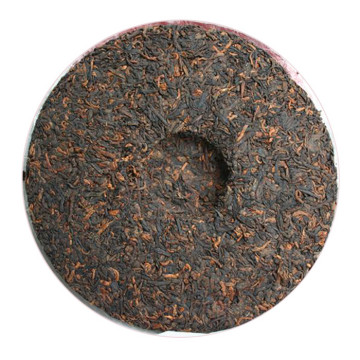
Tea guides in English

51 guides available in English.

Sheng Pu-erh

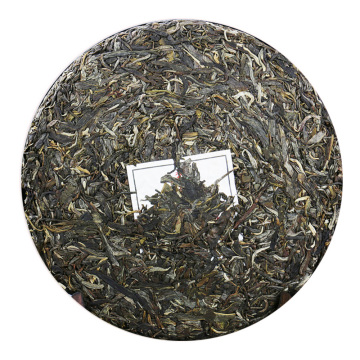
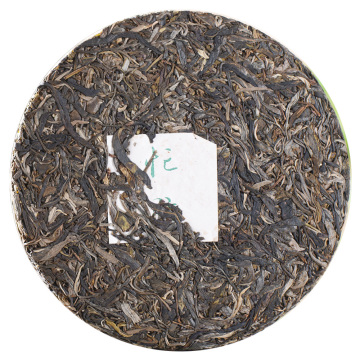
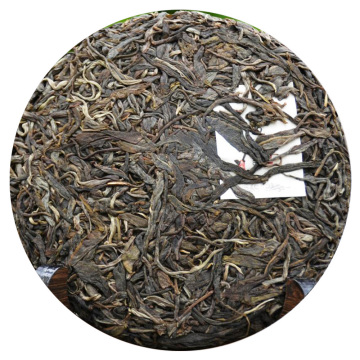
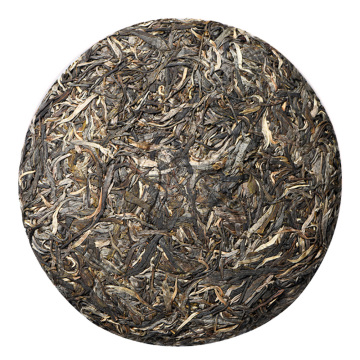
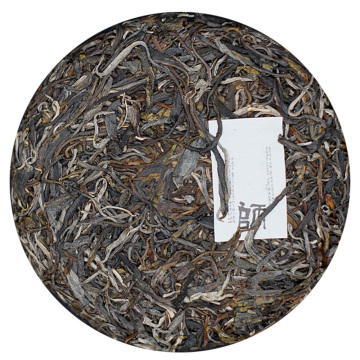
Sheng Pu-erh is the raw style of Pu-erh, made from a sun-dried Yunnan tea base without the accelerated pile fermentation commonly used for modern shou.

Read the English guide →

Shou Pu-erh

Shou Pu-erh is the ripe style, commonly made through controlled pile fermentation of a sun-dried Yunnan tea base.

Read the English guide →

Qizi Bingcha

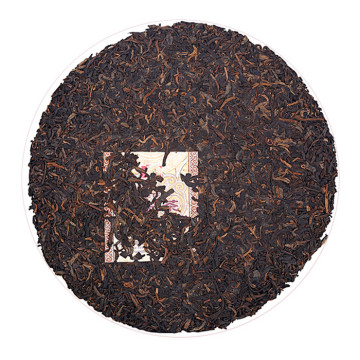
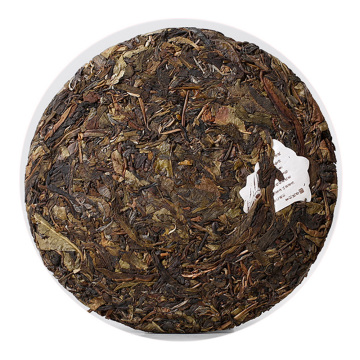
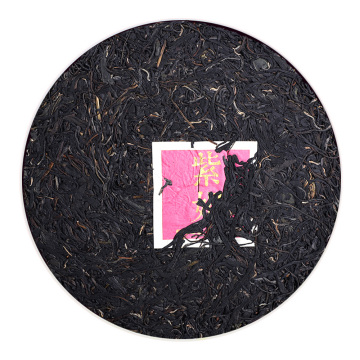
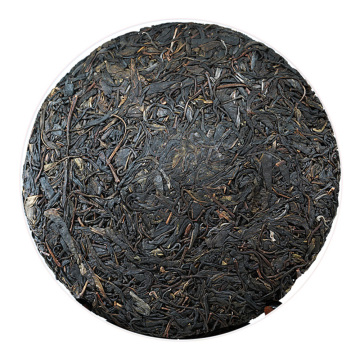
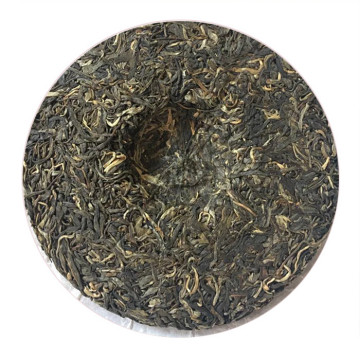
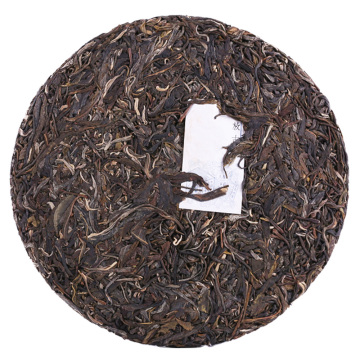
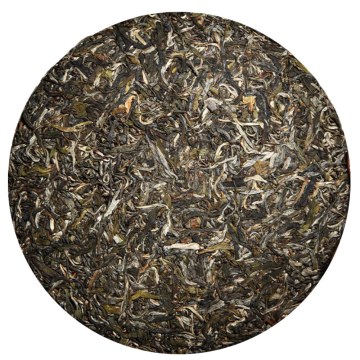
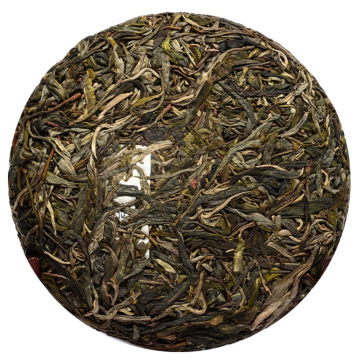
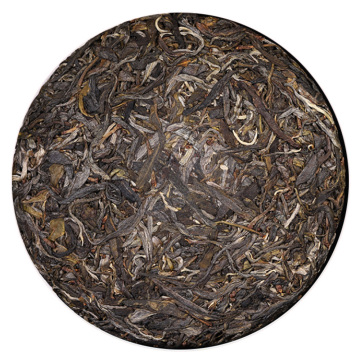
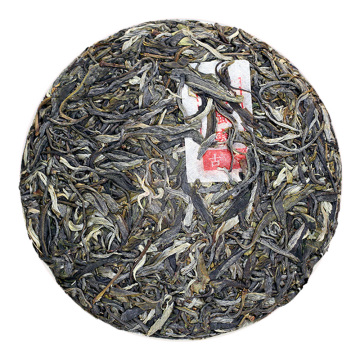
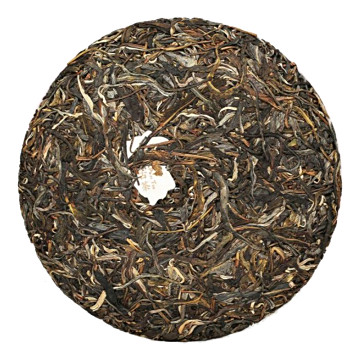
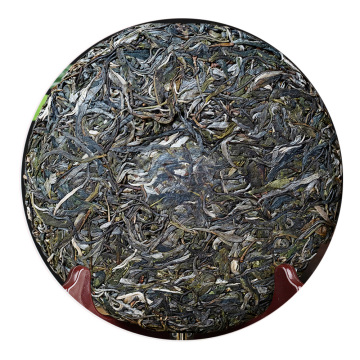
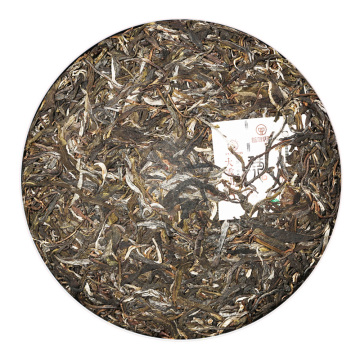
Qizi Bingcha refers to the familiar round Pu-erh cake and seven-cake packing tradition.

Read the English guide →

Pu-erh Tuocha

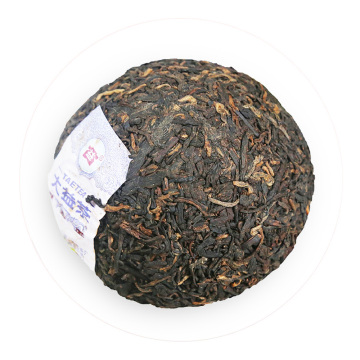
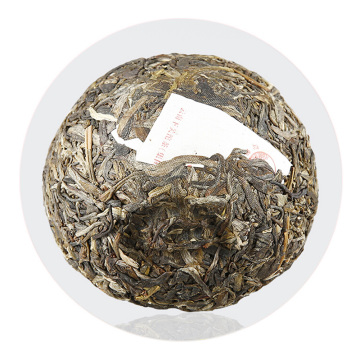
Pu-erh Tuocha is Pu-erh pressed into a bowl- or nest-like shape.

Read the English guide →

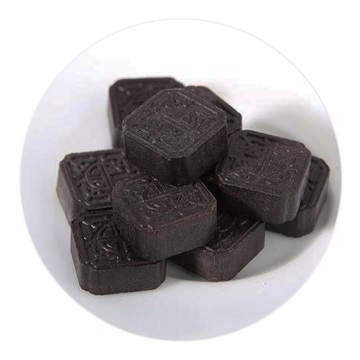
Pu-erh Brick Tea

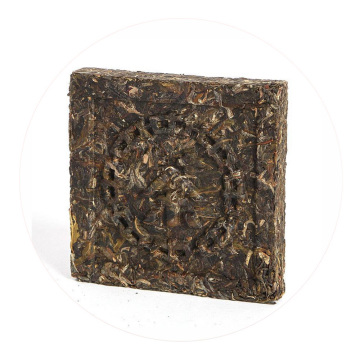
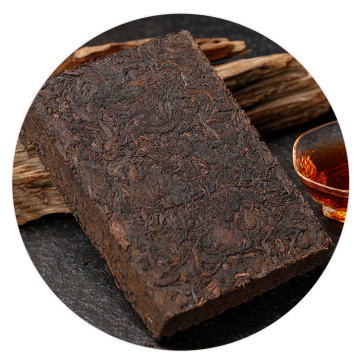
Pu-erh Brick Tea names a compressed form.

Read the English guide →

Xiaguan Tuocha

Xiaguan Tuocha is associated with Xiaguan in Dali and a named tea producer.

Read the English guide →

Pu-erh Dragon Balls

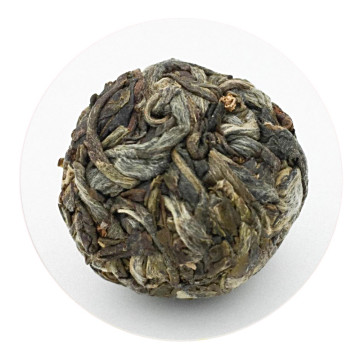
Pu-erh Dragon Balls are ball-shaped Pu-erh products.
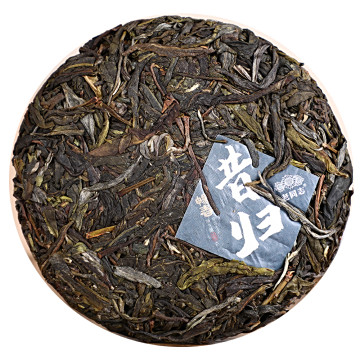
Read the English guide →

Pu-erh Iron Cake

An iron cake is a very tightly pressed Pu-erh cake.
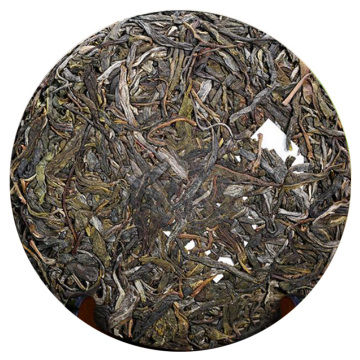
Read the English guide →

Jingua Tribute Tea

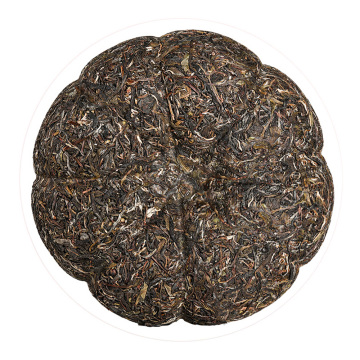
Jingua Tribute Tea is a name associated with melon-shaped compressed Pu-erh and a tribute-tea tradition.

Read the English guide →

Huangpian Pu-erh

Huangpian, also marketed as Golden Leaves, refers to larger, coarser leaves selected during Pu-erh sorting.

Read the English guide →

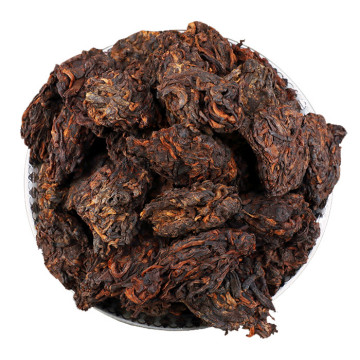
Lao Chatou

Lao Chatou are cohesive tea nuggets associated with shou Pu-erh fermentation.

Read the English guide →

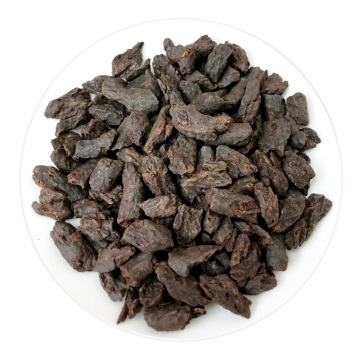
Sui Yinzi

Sui Yinzi, often called tea fossils, is a name used for small dense tea products associated with ripe Pu-erh.

Read the English guide →

Pu-erh Tea Resin (Cha Gao)

Cha Gao is a solid tea extract that dissolves in water.

Read the English guide →

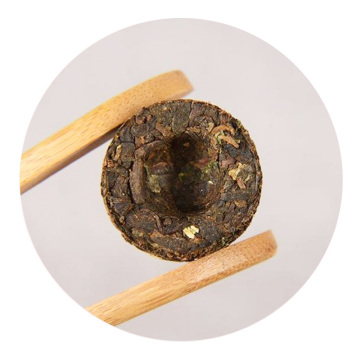
Mini Pu-erh Tuocha

Xiao Jin Tuo is a small bowl-shaped Pu-erh format.

Read the English guide →

Zijin Pu-erh Brick

The inherited Zijin Brick entry describes a ripe Pu-erh brick made with purple-bud material.

Read the English guide →

Zijuan Tea

Zijuan is a named purple-shoot tea cultivar, not a synonym for ripe Pu-erh.

Read the English guide →

Purple Yabao

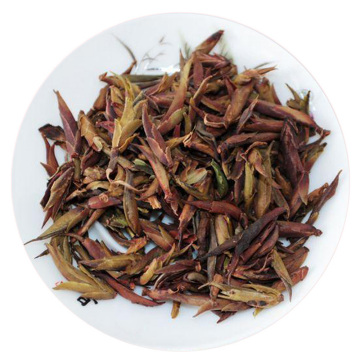
Purple Yabao is a trade description for bud-like material, not sufficient botanical identification.

Read the English guide →

Ziya Tea (Purple Bud Tea)

Ziya means purple bud and describes purple-shoot tea material rather than one universal cultivar or finished process.

Read the English guide →

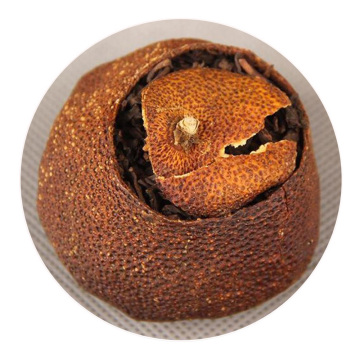
Da Hong Gan: Ripe-Citrus Pu-erh

Da Hong Gan combines a mature citrus peel shell with Pu-erh tea, commonly a ripe-tea filling.

Read the English guide →

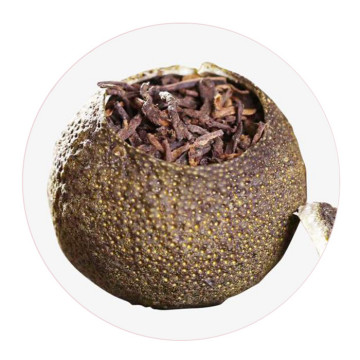
Xiao Qing Gan: Green-Citrus Pu-erh

Xiao Qing Gan is tea prepared inside a small immature citrus shell.

Read the English guide →

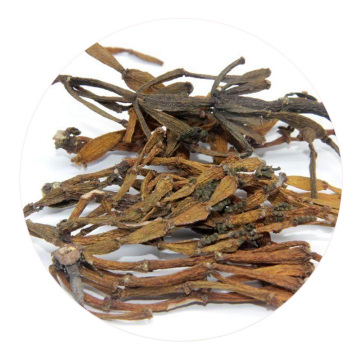
Pang Xie Jiao: Mistletoe Material

Pang Xie Jiao, literally crab’s feet, refers here to a parasitic plant material associated with tea trees, not an animal ingredient or ordinary Pu-erh leaves.

Read the English guide →

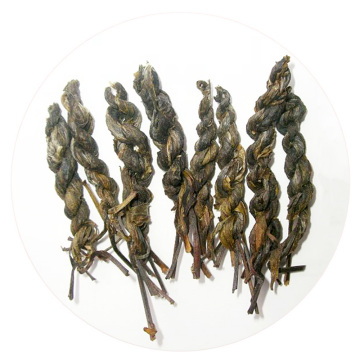
Braided Pu-erh (Bian Zi Cha)

Bian Zi Cha is tea made into a braid-like form.

Read the English guide →

Bamboo-Tube Tea (Zhu Tong Cha)

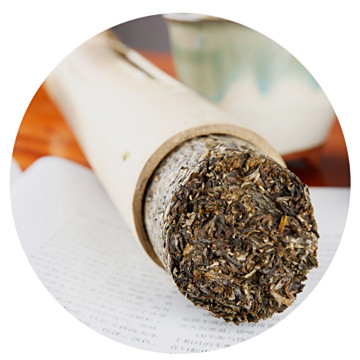
Bamboo-tube tea combines tea material with a bamboo heating and shaping process.

Read the English guide →

Cat-Ear Pu-erh (Mao Er Duo)

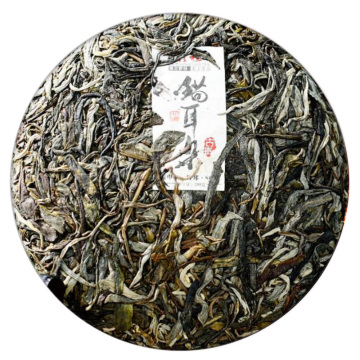
Cat-Ear is a trade name associated with small, rounded Yibang tea leaves.

Read the English guide →

Laobanzhang Pu-erh

Laobanzhang is a village-origin name within the Bulangshan area, not a separate fermentation category.

Read the English guide →

Bulangshan Pu-erh

Bulangshan is a broad tea-growing area in Menghai, not a single village, product or ripe-tea process.

Read the English guide →

Laoman’e Pu-erh

Laoman’e is a village-origin name associated with notably bitter tea and also products sold as sweet tea.

Read the English guide →

Bakalong Pu-erh

Bakalong is one of the village names used in the Banzhang Five Villages group.

Read the English guide →

Bakanan Pu-erh

Bakanan is a distinct village name in the Banzhang Five Villages group.

Read the English guide →

Nannuoshan Pu-erh

Nannuoshan is a tea-growing area, with different village lots and raw-style products.

Read the English guide →

Yiwu Pu-erh

Yiwu is a broad growing-area name associated with many villages and different finished teas.

Read the English guide →

Yibang Pu-erh

Yibang is a growing-area name often discussed for smaller-leaf tea and the Cat-Ear trade name.

Read the English guide →

Manzhuan Pu-erh

Manzhuan is an origin name in the historical six-tea-mountains discussion.

Read the English guide →

Mansong Pu-erh

Mansong is a source-associated name with a tribute-tea reputation.

Read the English guide →

Guafengzhai Pu-erh

Guafengzhai is a more specific Yiwu-area origin name.

Read the English guide →

Mahei Pu-erh

Mahei is a Yiwu-area origin associated with a fragrant, soft yet substantial cup.

Read the English guide →

Bingdao Pu-erh

Bingdao is a Yunnan tea-origin name.

Read the English guide →

Xigui Pu-erh

Xigui is a Bangdong-area tea-origin name, separate from Bingdao and from raw/ripe processing.

Read the English guide →

Xiaohusai Pu-erh

Xiaohusai is a Mengku-area origin associated with floral/honey fragrance and sweet return.

Read the English guide →

Mengku Daxueshan Pu-erh

This entry concerns Mengku Daxueshan in Shuangjiang.

Read the English guide →

Mangfei Pu-erh

Mangfei is a Yongde-area tea-origin name associated with a full aromatic cup.

Read the English guide →

Bangwai Pu-erh

Bangwai is an origin in Lancang, known for an old tea tree discussed in domestication research.

Read the English guide →

Bohetang Pu-erh

Bohetang is a place-associated Pu-erh name, not an instruction to add mint.

Read the English guide →

Mojiang Fenghuangwo Pu-erh

This article covers the Mojiang Fenghuangwo described by the original entry.

Read the English guide →

Kunlushan Pu-erh

Kunlushan is a Ning’er tea-origin name.

Read the English guide →

Luoshuidong Pu-erh

Luoshuidong is a village-origin name within the Yiwu tea area.

Read the English guide →

Mangshejing Pu-erh

Mangshejing is a tea-origin name associated with the Yaoqu area.

Read the English guide →

Tongjinghe Pu-erh

Tongjinghe is an origin name also written Tongqinghe.

Read the English guide →

Manxiliang Pu-erh

Manxiliang is an origin associated with the Mengsong tea area.

Read the English guide →

Naka Pu-erh

Naka is a Mengsong-area origin name associated with fragrant tea.

Read the English guide →

Pasha Pu-erh

Pasha is a Menghai origin associated with a sweet substantial cup.

Read the English guide →