Start with the tea base
Jasmine tea is usually tea scented with jasmine flowers, not simply a cup of dried flowers. Green tea is a common base, but other tea bases exist. Look at the ingredients and product description before choosing a brewing method. A packet containing only flowers is a different product from the tea discussed here.
The traditional Fuzhou process described in China’s intangible cultural heritage archive uses a green-tea base. Fresh jasmine flowers scent the tea; flowers are separated out during processing. TeaSource independently describes scenting and flower removal for English-speaking customers.
Why are there no flowers?
The scenting process can leave aroma in the tea after the flowers are removed. You do not need visible petals for it to be jasmine tea. Conversely, a few petals cannot prove how a tea was scented or how good it is. Ask about the process rather than judging the packet by decoration.
Do not assume that a stronger smell means a better tea. The number of scenting rounds, when a seller supplies it, describes part of the process rather than replacing your own judgement of the finished cup.
Read the label
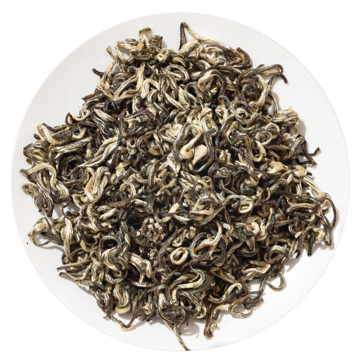
First identify the base: green, black or another tea. Then check whether the packet contains loose leaves, tightly rolled pearls, broken leaves or bags. These are useful brewing distinctions; one set of timings should not be applied to all of them.
For a first sample, ask for a clear ingredient list, base-tea description and preparation directions. If “jasmine” is the only information on the listing, ask what is actually in the packet. We do not assign universal grades or publish a market price range without comparable, dated product samples.
Brew in a glass
Editorial starting point, awaiting hands-on testing. This proposal is for loose, green-base jasmine tea with leaves left in the glass. It is not a recipe for tightly rolled pearls, jasmine black tea, tea bags or pure dried flowers. Follow your packet’s directions first.
| What to use | Starting point |
|---|---|
| Vessel | Heat-safe glass, at least 300 mL capacity, uncovered |
| Tea | 2 g loose, green-base jasmine tea |
| Actual water | 250 mL (about 8.5 US fl oz) |
| Water temperature | 80–85°C / 176–185°F |
| First taste | After about 2–3 minutes, once cool enough to sip |
Add tea and water. Taste when it is cool enough; the time is a flavour check, not a guarantee of drinking temperature. Begin drinking if the strength suits you, and refill to the original level when about one-third remains. Separate the liquid and leaves if you need to leave the cup standing for a long time.
Guangzhou’s consumer council also discusses 80–85°C for jasmine tea, but its suggested leaf amount and infusion-and-decant method differ. Our 2 g / 250 mL table is an editorial combination for a different situation, not their published recipe. The tea base and product instructions remain important.
If it tastes bitter or barely smells of jasmine
For bitterness, separate the infusion from the leaves. Try less leaf or an earlier separation next time while keeping the water amount fixed. With a removable basket, take the leaves out when the strength suits you.
For weak aroma, first check the label and how the packet has been stored. Try a freshly prepared small cup before changing several brewing variables at once. Do not automatically add more leaves or steep much longer: that is not a reliable way to establish what caused a disappointing cup. This is a troubleshooting sequence, not an authenticity test.
Store the packet
Keep it sealed, dry and away from light and strong smells. Use the base tea and the packet’s directions to decide on storage; the word “jasmine” alone does not settle whether to refrigerate it. For frequent use, a tightly sealed small working portion avoids repeatedly opening the main supply.
If the product calls for cold storage, protect it against moisture and odours. Let a chilled, sealed packet return to room temperature before opening it to reduce condensation. Follow the stated best-before date and conditions; we cannot estimate the remaining life of an opened packet remotely.
Editorial notes
Source material checked 15 October 2026. Research records are retained internally. The glass method and troubleshooting steps are editorial starting suggestions awaiting hands-on testing, not a TeaPlain tasting report. Follow the actual packet and keep different vessels, water amounts and steeping methods separate.